Restaurant marketing metrics help you understand whether your marketing is actually bringing in guests, repeat orders, and profitable growth. Instead of judging campaigns by likes or gut feeling, the right numbers show what is working, what is underperforming, and where to invest next. For restaurants, the goal is not to track everything. It is to focus on a small set of metrics that connect marketing activity to revenue, retention, and customer behavior.
The most important restaurant marketing metrics to track
The best restaurant marketing KPI set is usually simple. Most restaurants can make better decisions by tracking a core group of metrics consistently rather than collecting dozens of numbers they never use.
- Customer acquisition cost - how much you spend to gain one new customer
- Return on ad spend - revenue generated from paid campaigns compared with ad spend
- Conversion rate - the percentage of people who take a desired action, such as booking a table or placing an order
- Average order value - the average amount spent per order or visit
- Repeat customer rate - how often guests come back after their first visit or order
- Redemption rate - how many people use a promotion, code, or offer
- Email or SMS engagement - open rate, click rate, and resulting bookings or orders. See Hospitality email marketing for how to measure and improve these.
- Website traffic by source - where visitors come from, such as search, social, email, or paid ads
These metrics matter because they show the full path from attention to purchase. A campaign may bring traffic, but if conversion is weak, the issue is probably your landing page, offer, or ordering flow. If conversions are strong but acquisition cost is too high, the campaign may not be profitable enough to scale.
How to choose the right metrics for your restaurant
Not every restaurant should prioritize the same numbers. The right metrics depend on your business model and your main marketing objective.
- Dine-in restaurants often prioritize reservations, walk-in lift, repeat visits, and average spend per table.
- Takeaway and delivery businesses usually focus more on online conversion rate, basket size, reorder rate, and promotion performance.
- New restaurants may put more emphasis on reach, first-time customer acquisition, and local awareness.
- Established restaurants often get more value from retention, loyalty, and margin-focused campaign tracking.
A practical rule is to choose one primary metric and a few supporting metrics for each campaign. For example, if you run a lunch promotion, your main metric may be redeemed offers, while supporting metrics could include order value and repeat visits from those customers.
Rather have it done for you?
Your Brand Ambassador can do everything for you, and our in-house designers make your files print-ready. Or see your brand on everything first, in Studio.
Metrics that show whether marketing is profitable
Some numbers look positive without proving real business impact. A post with high engagement may feel successful, but it does not automatically mean more covers or more revenue. The strongest restaurant marketing metrics are the ones tied to profitability.
Customer acquisition cost
This tells you how much it costs to bring in a new guest through a marketing channel. If you spend 500 euros on a campaign and gain 50 first-time customers, your acquisition cost is 10 euros per customer. This becomes useful when compared with average spend and repeat visit behavior.
Return on ad spend
Return on ad spend measures how much revenue your ads generate for every euro spent. If an ad campaign costs 300 euros and leads to 1.200 euros in tracked sales, your return on ad spend is 4:1. This metric is especially useful for paid social, search ads, and time-limited promotions. For restaurants investing in paid campaigns, tracking performance alongside a clear Restaurant marketing budget helps put ROAS into context.
Average order value
If marketing brings in customers but the average spend is low, campaign profitability may still be weak. Increasing order value through bundles, upsells, or better menu presentation can improve results without increasing traffic.
Lifetime value
Lifetime value estimates how much a customer is worth over time, not just on the first transaction. This is one of the most useful metrics when evaluating discount campaigns. A first order may not be highly profitable, but if those customers return regularly, the campaign can still be valuable.
Metrics that show customer behavior and retention
Restaurants often spend too much time trying to attract new customers and too little time measuring whether people come back. Retention metrics are especially important because repeat guests are usually more profitable than constantly replacing one-time visitors.
Repeat customer rate
This shows the percentage of customers who return after their first order or visit. A rising repeat rate often signals strong guest experience, relevant offers, and effective follow-up marketing.
Visit or reorder frequency
This tracks how often customers return within a set period. For example, if guests who join your email list order twice as often as non-subscribers, that channel is doing more than generating opens and clicks. It is supporting real revenue.
Promotion redemption rate
This metric helps measure whether your offer is attractive enough to drive action. Low redemption may mean the incentive is weak, the terms are unclear, or the timing does not fit customer demand. If you work with creators, set clear goals and track results—see Influencer marketing for restaurants.
Metrics that show channel performance
Restaurants usually market across several channels at once, such as organic search, paid ads, social media, email, printed promotions, and in-store messaging. You need enough tracking to compare results across those channels clearly. If social is a key source of traffic and assisted conversions for your business, a clear Social media strategy for restaurants makes those metrics more actionable.
| Channel | Useful metric | What it helps you understand |
|---|---|---|
| Website | Conversion rate | Whether visitors complete bookings, orders, or enquiries |
| Click-to-book or click-to-order rate | Whether messages drive action, not just opens | |
| Paid ads | ROAS and acquisition cost | Whether ad spend is efficient |
| Social media | Traffic and assisted conversions | Whether social supports demand beyond engagement |
| Printed promotions | Offer code or voucher redemption | Whether offline campaigns generate measurable response |
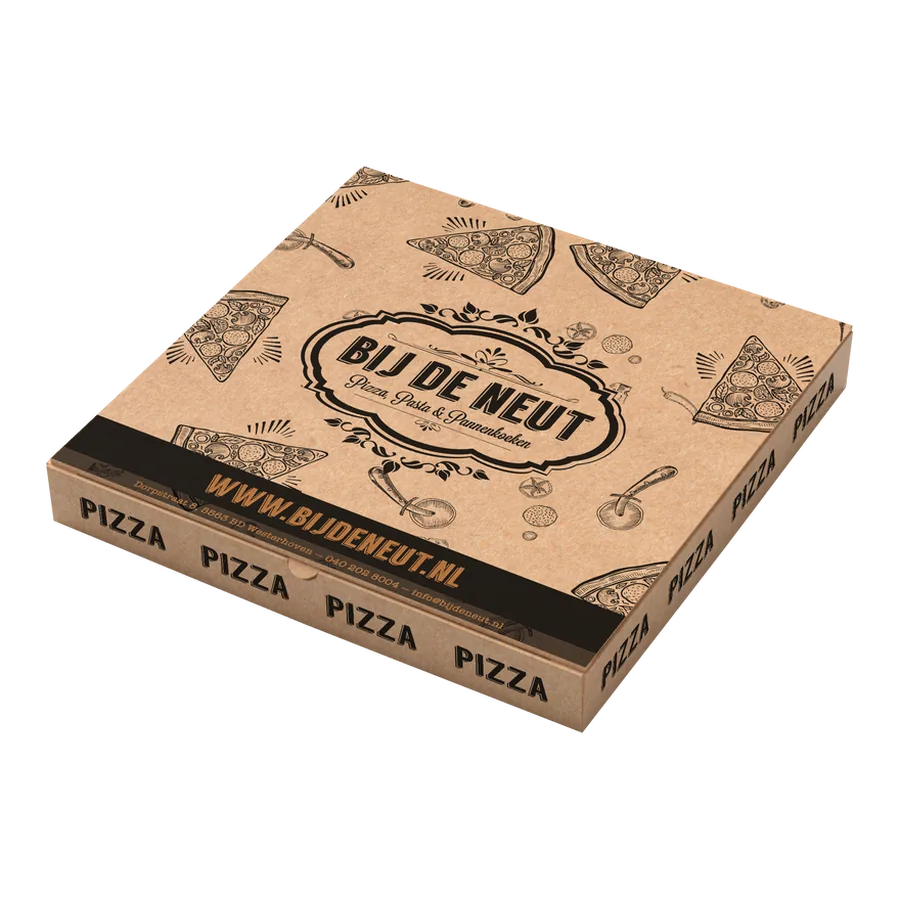
This is where many restaurants miss opportunities. For example, branded printed materials such as table promotions, takeaway inserts, packaging, or vouchers can support campaigns, but they are only useful from a measurement perspective if they include a trackable offer, code, QR destination, or campaign-specific call to action.
How to track restaurant marketing metrics without overcomplicating it
You do not need a complex dashboard to start measuring effectively. What you do need is consistency.
- Set one clear goal for each campaign, such as bookings, first orders, or repeat visits.
- Choose 3 to 5 metrics directly tied to that goal.
- Use trackable links, offer codes, booking sources, or campaign-specific landing pages where possible.
- Review performance at the same interval each week or month.
- Compare results against profit, not just activity.
A simple spreadsheet is often enough in the beginning. The key is to avoid mixing awareness metrics with outcome metrics. Reach and clicks can be useful signals, but they should support decisions, not replace business results. For teams planning campaigns in advance, a Restaurant social media content calendar can also make it easier to connect publishing activity with measured results.
Common mistakes when measuring restaurant marketing
- Tracking too many metrics - this creates noise and slows decision-making.
- Focusing only on top-of-funnel activity - impressions and likes do not prove revenue impact.
- Ignoring repeat behavior - first-time customer numbers can look strong while retention is weak.
- Not separating channels - if all traffic is grouped together, you cannot see which campaigns perform best.
- Running untrackable promotions - if there is no code, URL, or source marker, you cannot measure results properly.
What good restaurant marketing KPI reporting looks like
Good reporting is short, clear, and decision-focused. A useful monthly report for a restaurant does not need pages of charts. It should answer a few practical questions:
- Which channels brought the most bookings or orders?
- Which campaigns produced the best return relative to spend?
- Did new customers come back?
- Did average spend increase or decrease?
- What should be repeated, improved, or stopped next month?
If your reporting cannot help you decide what to do next, it is probably too broad or too shallow. In many cases, clearer reporting also depends on aligning campaigns to the right Restaurant target audience from the start.
FAQ
What are the most important metrics for restaurants?
The most important metrics are usually customer acquisition cost, return on ad spend, conversion rate, average order value, and repeat customer rate. Together, these show whether your marketing is attracting customers, converting them, and generating profitable repeat business.
What are the 5 marketing metrics?
A practical set of five marketing metrics for restaurants includes traffic source, conversion rate, acquisition cost, average order value, and repeat visit rate. This combination covers visibility, action, efficiency, spend, and retention.
How often should a restaurant review marketing metrics?
Most restaurants should review core campaign metrics weekly and broader performance monthly. Weekly checks help you catch underperformance quickly, while monthly reviews are better for spotting trends and making budget decisions.
How can offline restaurant marketing be measured?
Offline campaigns can be measured with unique voucher codes, QR codes, campaign-specific landing pages, or offer redemptions tied to a specific printed promotion. Without a tracking mechanism, it is much harder to connect offline activity to results. This is especially useful when testing local marketing ideas for restaurants that combine print and in-person promotion.
Which metric matters more: new customers or repeat customers?
Both matter, but repeat customers are often more valuable over time. New customer growth is important, yet retention usually has a stronger impact on long-term profitability because returning guests tend to cost less to convert again. This broader balance is also central to digital marketing in the hospitality industry, where performance is measured across both acquisition and retention.