A strong restaurant social media strategy does more than fill your feed. It helps guests recognise your brand, understand your offer, and feel a clear reason to visit, order, or book. The most effective approach is simple: clear positioning, consistent visuals, and content that reflects the real experience people can expect. The same approach works for social media marketing for restaurants with one location and for groups managing several sites, as long as every account follows the same brand.
For hospitality brands, social media works best when it is connected to the wider brand. If your menu, packaging, table setting, and online presence all feel aligned, your marketing becomes easier to recognise and more likely to convert attention into action.
What a restaurant social media strategy should achieve
Many restaurants post regularly without a clear plan. A strategy gives direction. It helps you decide what to share, why it matters, and how each post supports business goals.
A practical social media marketing strategy for restaurants should focus on a few core outcomes:
- Build recognition - so guests remember your brand when deciding where to eat or order from
- Create trust - through consistent messaging, professional presentation, and a realistic view of the guest experience
- Drive action - such as reservations, walk-ins, takeaway orders, or repeat visits
- Support loyalty - by staying visible between visits and keeping your restaurant top of mind
The key is to avoid treating social media as a separate activity. It should support your overall brand, not compete with it.
Start with brand clarity before content planning
Before building a restaurant social media content calendar, define the basics of your brand. Without that foundation, content often becomes inconsistent, generic, or too dependent on trends.
Start by answering these questions:
- What should guests immediately understand about your restaurant?
- What tone fits your concept? Casual, refined, playful, local, premium, or family-friendly
- What visual elements should stay consistent? Colours, typography, photography style, and layout
- What makes the experience distinct? Signature dishes, atmosphere, service style, terrace, takeaway, or packaging
This is where branded templates and clear visual rules become useful. They make it easier to publish consistently without redesigning every post from scratch. For hospitality brands, ready-to-use social media assets can help keep campaigns, announcements, and everyday content aligned with the wider identity.
Rather have it done for you?
Your Brand Ambassador can do everything for you, and our in-house designers make your files print-ready. Or see your brand on everything first, in Studio.
Choose content pillars that match how guests decide
A good social media plan for a restaurant does not need endless content categories. Most brands only need a small set of content pillars that reflect how customers evaluate where to eat.
Food and drink
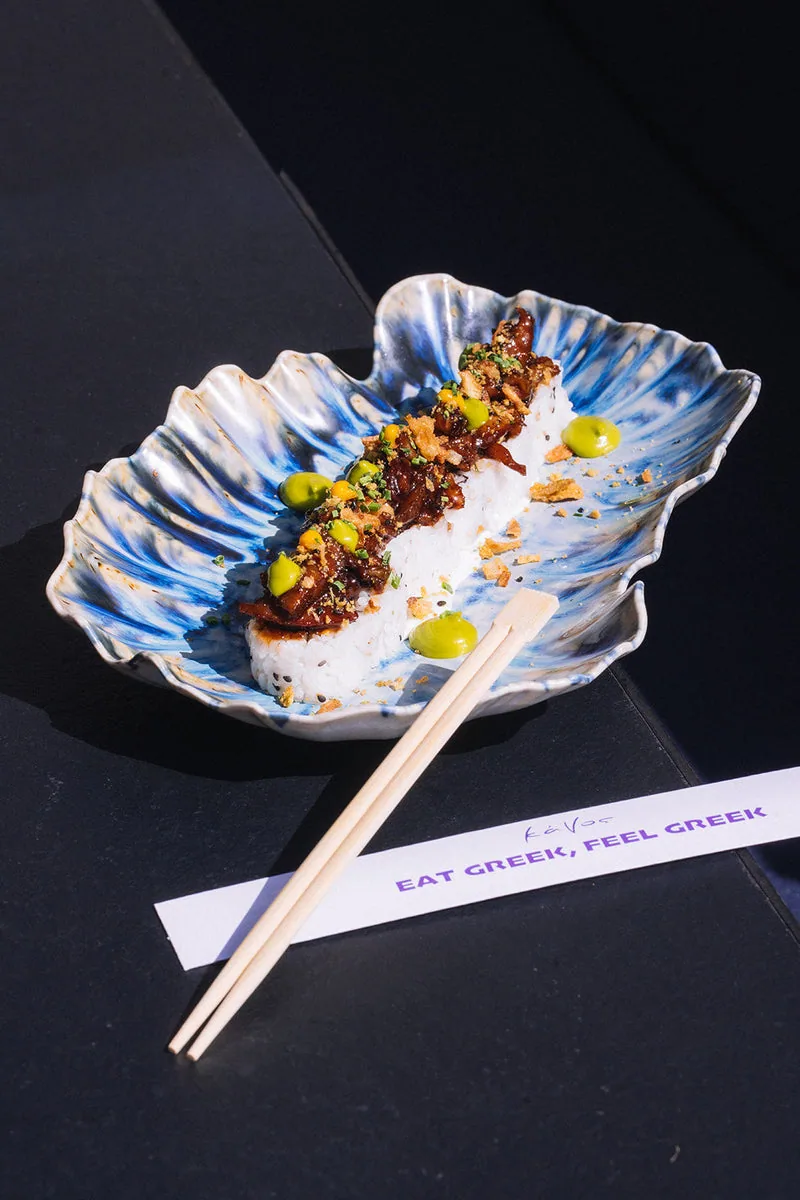
This is often the main attention driver. Focus on appetite, quality, and recognisable presentation. Show signature dishes, seasonal items, drinks, and details that make the offer feel tangible.
Atmosphere and experience
Guests are not only choosing food. They are also choosing mood, setting, and occasion. Show the interior, terrace, table styling, service moments, and the feeling of being there.
Brand moments
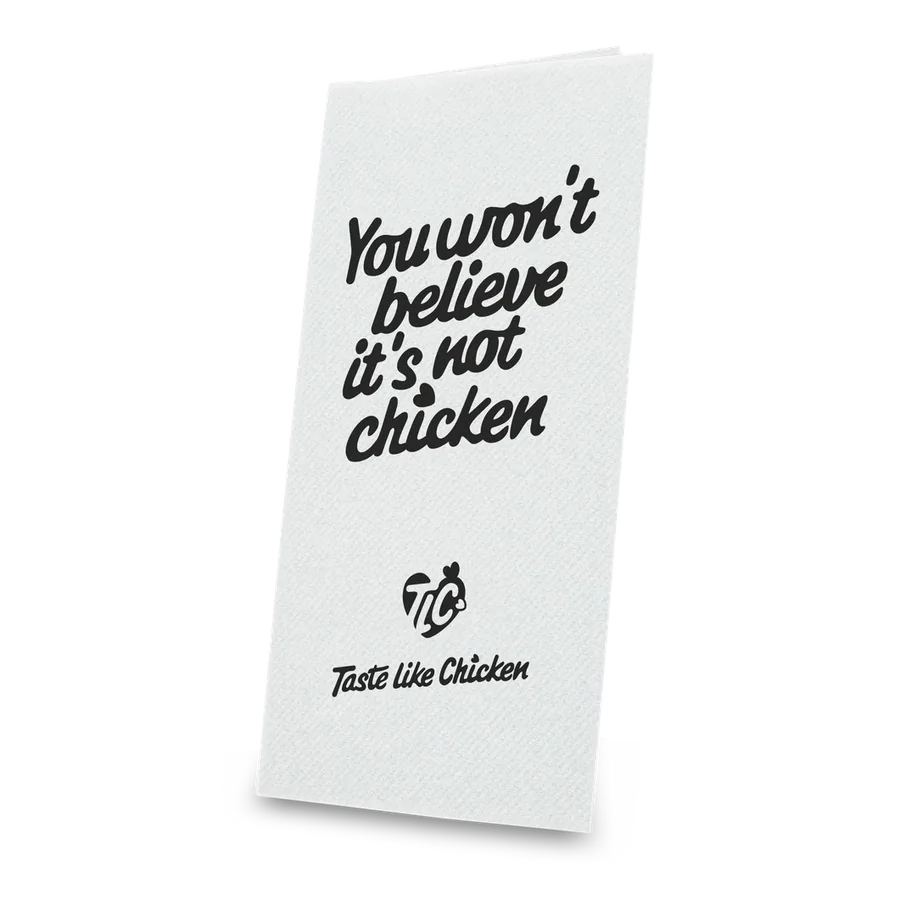
Use posts that reinforce the identity of the restaurant. That might include opening announcements, limited specials, campaign visuals, or branded touchpoints such as packaging, custom printed napkins, coasters, glassware, or takeaway presentation when these are part of the guest experience.
Practical conversion content
Not every post needs to inspire. Some should help people act. Share updates around bookings, opening hours, lunch options, takeaway availability, group dining, or special dates when relevant.
These pillars are enough for most restaurant social media content ideas. They create variety without losing focus.
How to build a restaurant social media content calendar
A content calendar should make publishing easier, not more complicated. The best version is realistic for your team and repeatable over time.
Use a simple monthly structure:
- Weekly brand consistency posts - content that reinforces your visual identity and core offer
- Weekly product or menu highlights - dishes, drinks, pairings, or seasonal items
- Weekly experience posts - interior, terrace, service, mood, or guest setting
- Occasional campaign posts - events, special menus, launches, or holiday moments
- Action-oriented reminders - reservation prompts, takeaway reminders, or limited availability
When planning a social media content calendar for restaurants, avoid overloading it with disconnected ideas. A smaller number of repeatable post types is usually more effective than constant reinvention.
What performs on restaurant social media
Most restaurant social media marketing ideas succeed or fail on execution. Strategy matters, but the content still needs to look clear, feel on-brand, and lead naturally to interest.
Focus on these practical improvements:
- Use strong visuals - low-quality photography weakens even a good concept
- Keep branding consistent - repeated visual cues improve recognition over time
- Write short, useful captions - highlight what the guest should notice or do next
- Make the next step obvious - book, visit, order, or save the date
- Show the real experience - avoid content that promises more than the restaurant delivers
This is why brand design and social content should work together. If the in-house experience, printed materials, and online presentation all share the same look and feel, the brand becomes easier to trust and easier to remember.
Common mistakes in social media marketing for restaurants
Many restaurant accounts are active but not effective. The problem is often not effort, but lack of alignment.
- Posting without a clear brand direction
- Using inconsistent visuals from post to post
- Copying trends that do not fit the restaurant concept
- Focusing only on food close-ups and ignoring atmosphere
- Creating content that looks separate from the real guest experience
- Missing simple calls to action
A restaurant social media strategy should make your marketing more recognisable and easier to manage. If it creates confusion, it needs simplification.
How social media connects with the full hospitality brand
For restaurants, social media rarely works best in isolation. Guests move between digital and physical touchpoints quickly. They may discover your restaurant on Instagram, view your menu, visit in person, and later order takeaway. If each touchpoint feels different, the brand loses strength.
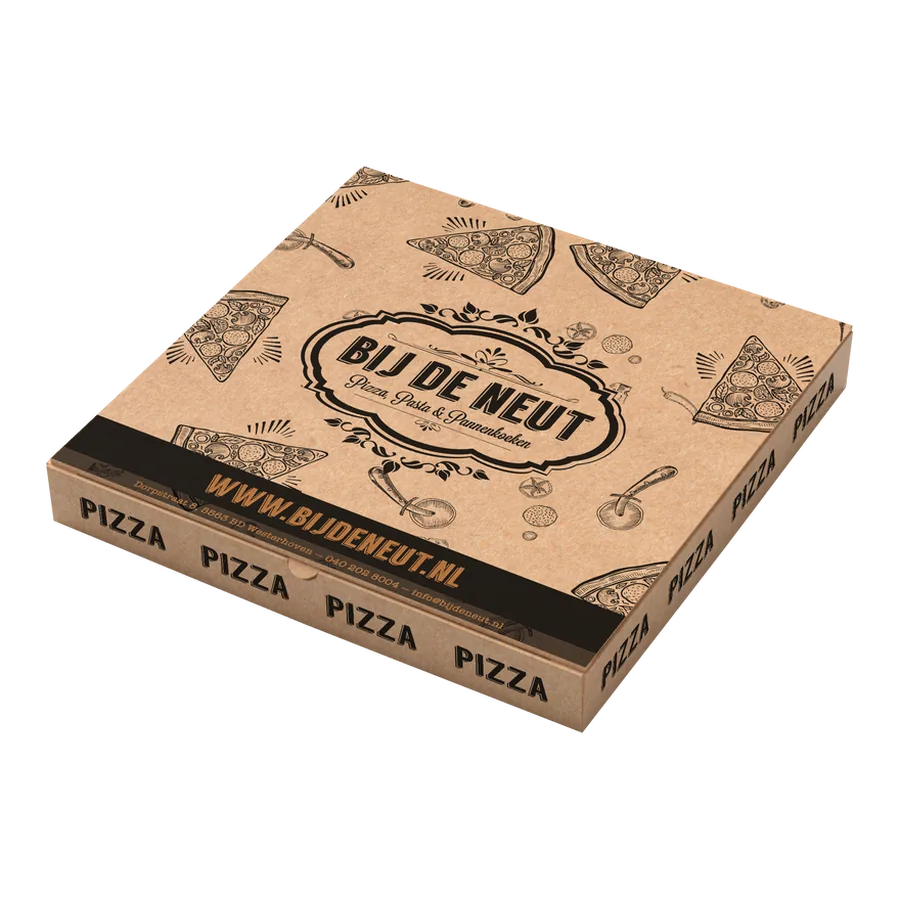
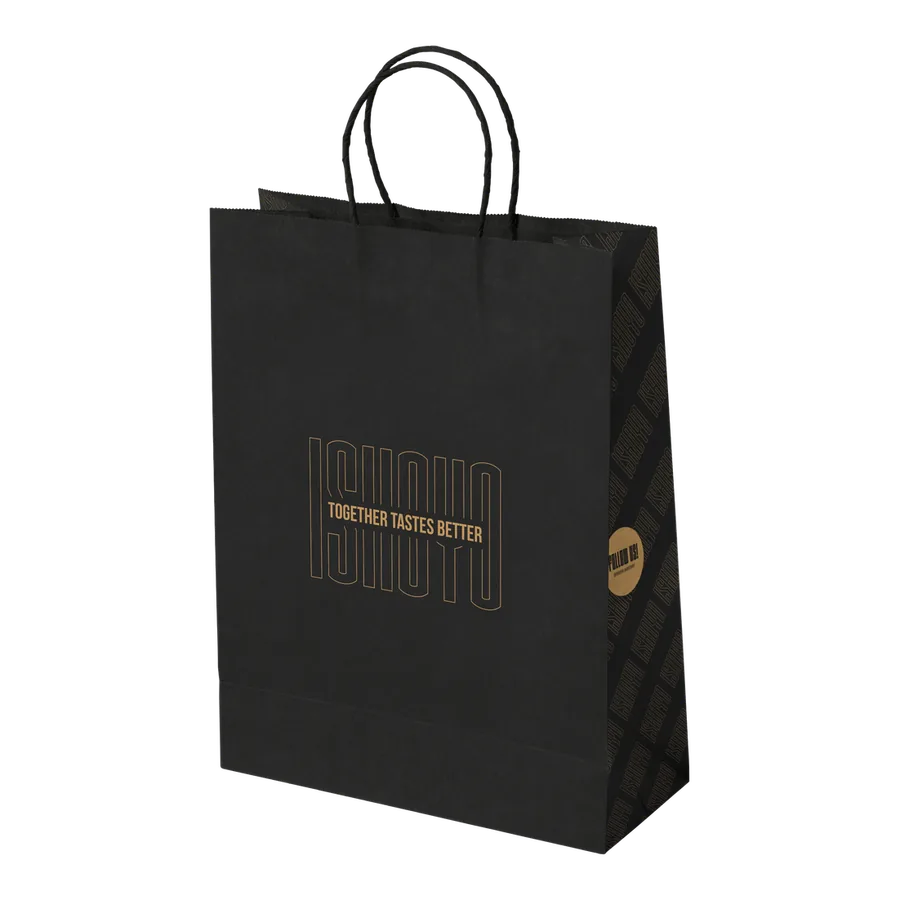
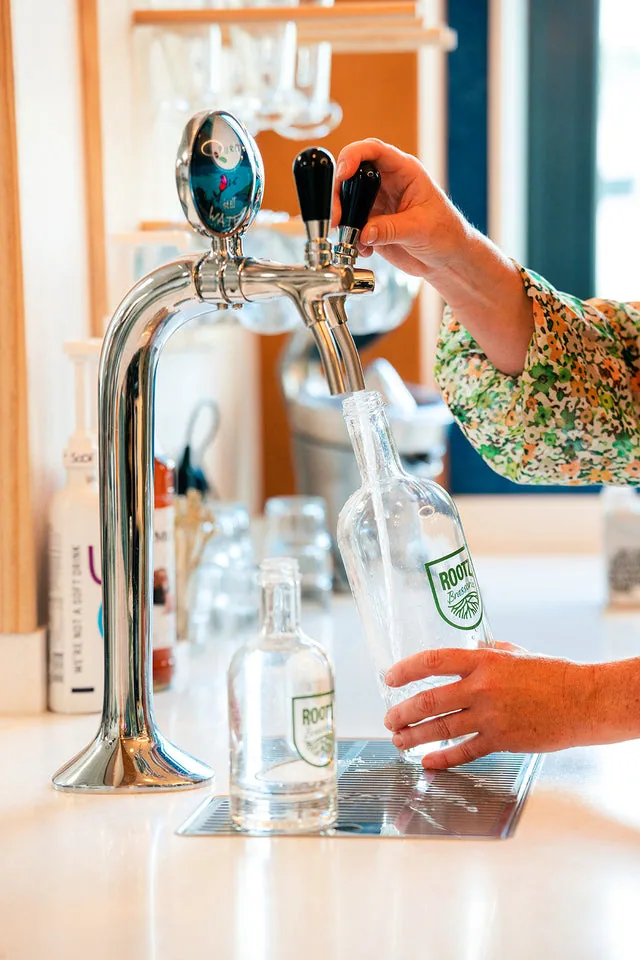
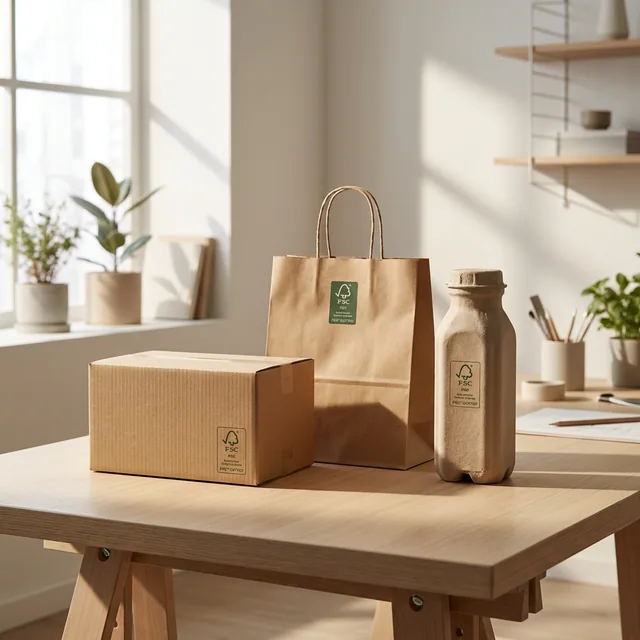
That is why visual consistency matters across more than just posts. Elements such as food packaging, paper carrier bags, coasters, napkins, cutlery pouches, glassware, and clothing can all reinforce the same identity guests see online. When these touchpoints align, social content feels more credible because it reflects the real brand experience.
For hospitality businesses that want a more coherent presentation, benefits of branding for hospitality businesses, design support and ready-to-use social media templates can help create that consistency without making day-to-day marketing overly complex.
How to know if your strategy is working
You do not need a complicated reporting model to assess progress. Start with a few useful signals tied to your business goals.
- Reach and recognition - are more people seeing your brand consistently?
- Engagement quality - are people saving, sharing, commenting, or responding with intent?
- Action - are posts leading to bookings, visits, orders, or enquiries?
- Consistency - are you able to maintain quality and brand alignment over time?
If your content is visually stronger, more consistent, and more clearly connected to the restaurant experience, you are already moving in the right direction.
FAQ
What is the best social media strategy for a restaurant?
The best strategy is one that connects brand identity, guest experience, and clear business goals. For most restaurants, that means consistent visuals, a small set of content pillars, regular posting, and clear calls to action tied to bookings, visits, or orders.
How often should a restaurant post on social media?
Consistency matters more than volume. A realistic schedule that your team can maintain is better than posting frequently for a short period and then stopping. Even a simple weekly rhythm can work well if the content is clear and aligned with the brand.
What should be included in a restaurant social media content calendar?
A useful content calendar should include menu highlights, atmosphere content, brand-led posts, campaign moments, and action-focused updates such as reservations or takeaway reminders. The goal is to create a repeatable structure, not just fill dates.
Why is branding important in restaurant social media marketing?
Branding helps people recognise and remember your restaurant. When your social posts, printed hospitality products, packaging, and in-house presentation feel consistent, your marketing becomes more credible and easier for guests to trust.