Kraft paper bags are one of the most practical and recognisable forms of branded packaging in retail and hospitality. They are sturdy, printable, available in a wide range of sizes, and carry a visual weight that communicates quality before a customer even opens one. When they are produced and branded well, they do real work for the brand every time they leave the shop or counter.
This guide covers what to look for when choosing kraft paper bags, how printing and branding work on this material, and what to avoid if colour accuracy and quality matter.
What makes kraft paper bags a strong choice
Kraft paper is produced through a chemical pulping process that retains more of the natural lignin from wood fibres. That is what gives it its distinctive brown colour, higher tear resistance compared to standard paper, and a surface texture that holds print well. The result is a material that feels durable and looks intentional — both of which matter in branded packaging.
- Strength and durability
Kraft paper is naturally stronger than standard paper. Heavier gsm options handle bottles, books and dense retail items without losing shape. That physical strength translates directly to how the bag is perceived when a customer carries it.
- Visual character
The natural brown tone of unbleached kraft creates a warm, organic look that many brands find easier to align with premium, artisan or sustainable positioning. Bleached white kraft provides a cleaner base for full-colour printing.
- Print compatibility
Kraft paper accepts flexographic printing, screen printing and digital print depending on the production setup. The texture affects colour output, particularly on unbleached surfaces, so print method and colour system should be chosen together, not separately.
- Recyclability
Uncoated kraft paper bags are generally accepted by standard paper recycling streams. Coatings, lamination and certain finishes can affect recyclability. If sustainability claims matter to your brand, the final specification should reflect that.
Types and formats to know
Not all kraft paper bags are built the same way, and the differences matter both in terms of usage and print quality.
| TYPE | HANDLE STYLE | TYPICAL USE | PRINT SUITABILITY |
|---|---|---|---|
| Twisted handle | Paper-twisted rope handles | Retail, gifts, fashion | Good — large flat print area |
| Flat handle | Flat die-cut paper handles | Groceries, pharmacy, food retail | Good — clean lines suit minimalist branding |
| No handle | No handle — standard bag | Bakeries, takeaway, smaller items | Good — compact format for focused branding |
| Luxury handle | Cotton or ribbon handles | Premium retail, gifts, branded merchandise | Strong — typically paired with higher-end finish |
For a full overview of available formats and print options, see custom-printed paper bags.
Rather have it done for you?
Your Brand Ambassador can do everything for you, and our in-house designers make your files print-ready. Or see your brand on everything first, in Studio.
How printing works on kraft paper
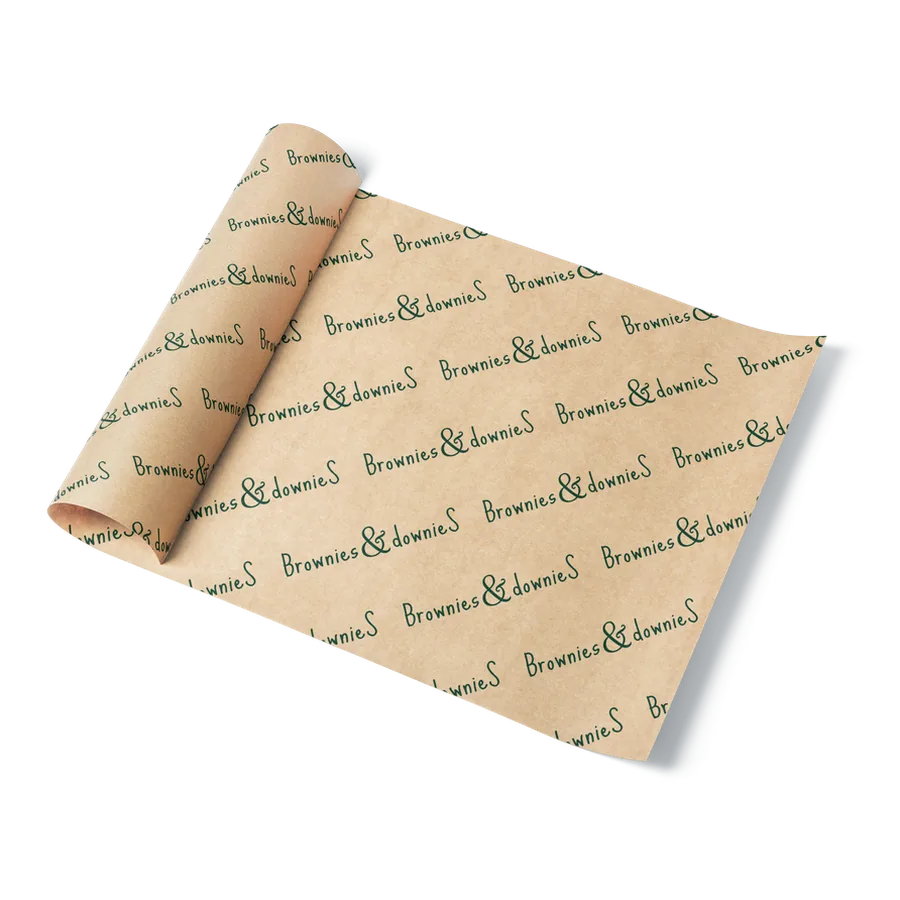
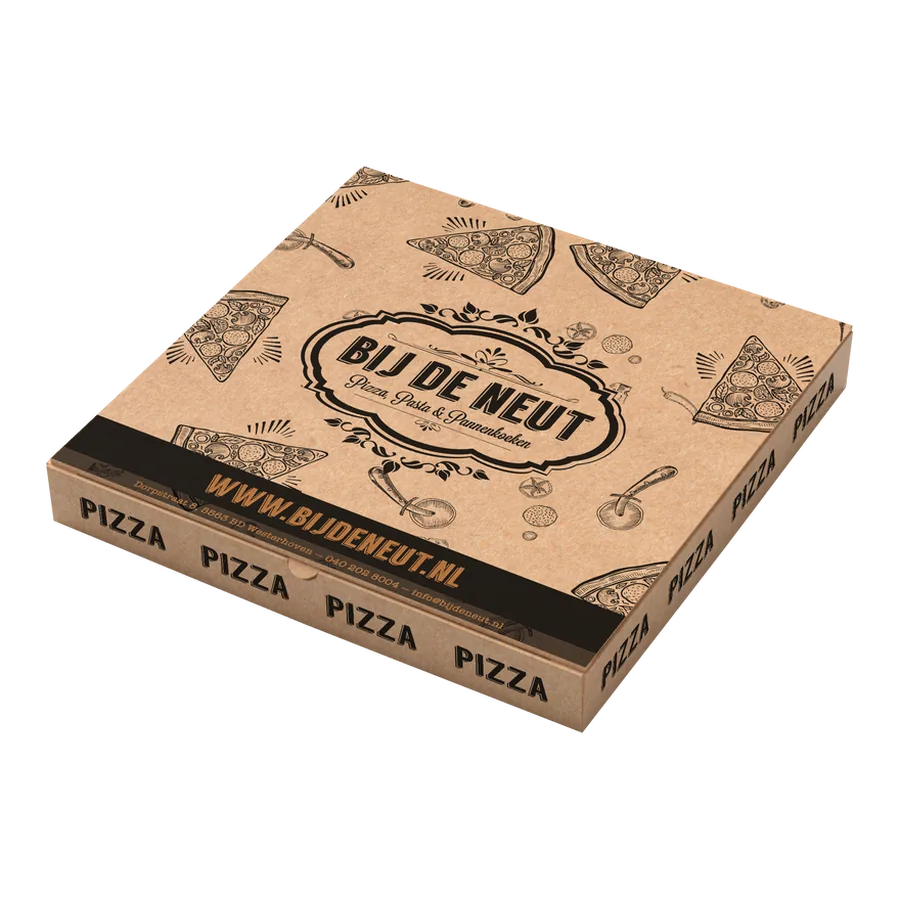
Printing on kraft paper requires a different approach from printing on coated white stock. The brown surface tone absorbs light differently, which means colours appear warmer and darker than they would on white paper. This is not a problem, but it does require planning.
- CMYK on kraft
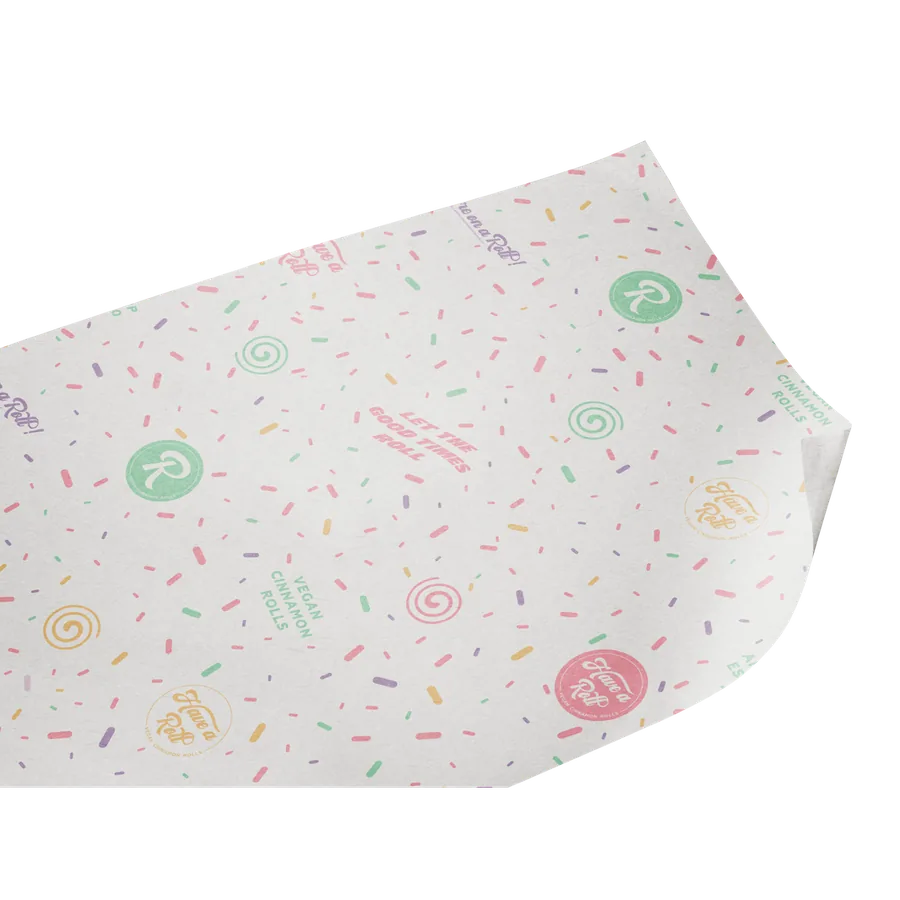
Works well for photos and multi-colour designs but the brown base shifts the overall tone. Lighter colours and whites will not reproduce unless a white ink layer is added first. Test before committing to a full run. For colour system guidance, see Pantone vs CMYK explained.
- Pantone on kraft
Spot colours give more control over how a brand colour behaves on the brown surface. Darker Pantone shades often print more accurately. For light or bright Pantone tones, a white underprint may still be necessary. Always request a physical proof.
How to use branded kraft bags effectively
BRAND EXECUTION CHECKLIST
- Design for the brown surface - think of kraft as a warm canvas, not a white one. Dark, earthy or minimal designs often perform best
- Use the bag size strategically - a larger print area is only useful if the design is strong enough to carry it. A small, well-placed logo often works better than a busy all-over print
- Match the handle to the context - twisted handles suit premium or lifestyle brands; flat handles suit everyday or functional retail. The handle is part of the brand impression
- Align the bag with your other touchpoints - if your store uses custom printed tissue paper or branded boxes, the bag should feel like part of the same family
- Plan your stock carefully - minimum order quantities mean over-ordering can tie up budget. Work with realistic estimates and consider call-off stock if you need flexibility across multiple locations
- Request a physical sample before production - colour on kraft always needs a real-world check. What looks right on screen or in a PDF proof can look very different on the actual material
- Consider seasonal or campaign variants - kraft bags lend themselves well to limited editions. A small design update can refresh the brand touchpoint without replacing the entire bag format
Common print and branding mistakes on kraft paper bags
- Approving colour on screen without a physical proof - the brown surface changes everything. Greens read differently, blues go warmer, and whites simply disappear without white ink
- Designing for white paper and applying to kraft - a design built around white space will not translate. Kraft needs to be considered from the start, not adapted at the last stage
- Ignoring the gsm for the intended weight - a 90 gsm bag will not hold heavy retail purchases without buckling. Match the weight of the bag to the typical contents
- Assuming FSC means fully sustainable - FSC certification covers fibre sourcing, not the full environmental picture. Coatings, inks and logistics all contribute to the total impact
- Over-printing the surface - busy, heavily saturated full-bleed designs can look muddier on kraft than expected. Simplicity usually performs better on this material
- Mismatching handle and bag weight - a lightweight handle on a heavy bag creates a poor experience. The handle is structural as well as aesthetic
Sustainability and certification
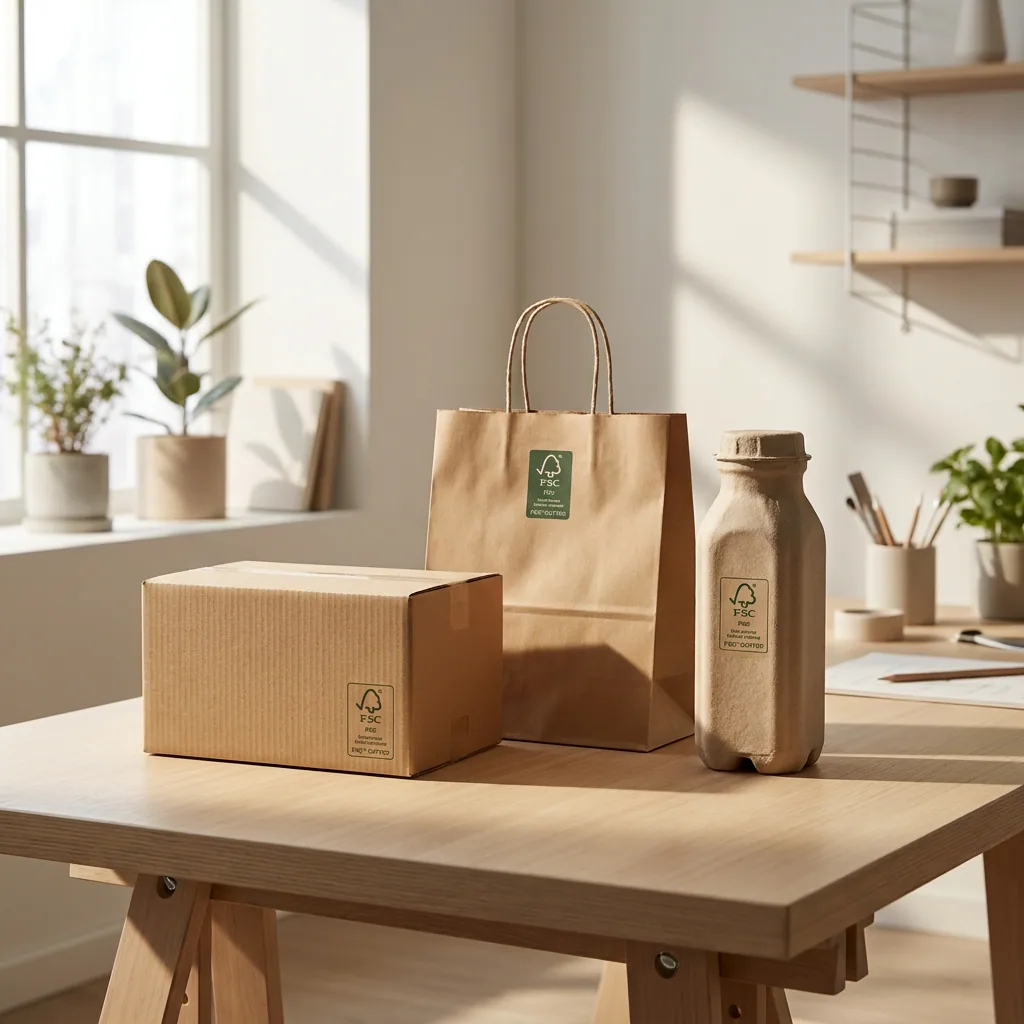
Kraft paper is generally considered one of the more sustainable packaging materials available for retail and hospitality use. The reasons are practical: it is widely recyclable in standard paper streams, it is produced from a renewable material, and it can be certified under schemes such as FSC (Forest Stewardship Council) to verify responsible sourcing.
- FSC certification covers
- Fibre origin and responsible forestry
- Chain of custody traceability
- Use of recycled fibres (FSC Recycled label)
- FSC does not cover
- Recyclability of coatings or finishes
- Carbon neutrality or transport emissions
- EU packaging compliance or SUP rules
For more on how certification labels work in practice, see FSC packaging explained.
Choosing the right bag for your use case
The right kraft paper bag depends on three things working together: the weight it needs to carry, the brand impression it needs to make, and the production setup that fits your volume and budget.
| USE CASE | RECOMMENDED GSM | HANDLE STYLE | PRINT PRIORITY |
|---|---|---|---|
| Light retail / bakery | 80-100 gsm | Flat or no handle | Logo and brand colour |
| Fashion / lifestyle retail | 100-120 gsm | Twisted or ribbon | Brand identity, minimal or bold |
| Heavy retail / bottles / books | 120-150 gsm | Twisted or cotton | Colour and finish quality |
| Premium gifting | 150+ gsm | Ribbon or luxury cord | Full brand expression |
Frequently asked questions about kraft paper bags
Can you print white on kraft paper bags?
Yes, but it requires a dedicated white ink pass, which adds complexity and cost. Without white ink, light colours and white elements will not be visible on the brown surface. Always confirm white ink availability with your printer before designing around it.
Are kraft paper bags recyclable?
Uncoated kraft bags are generally recyclable in standard paper streams. Bags with lamination, plastic coatings or mixed-material handles may not be. If recyclability is important to your brand claims, confirm the full material specification before printing.
What is the difference between kraft and standard paper bags?
Kraft paper is produced through a process that retains more natural fibre strength, making it tougher and more tear-resistant than standard paper. It also has a distinctive texture and natural brown colour that standard white paper does not.
How many colours can I print on a kraft paper bag?
That depends on the print method. Flexographic printing is common for larger runs and typically supports one to four colours. Digital printing allows more flexibility with colour but may have different minimum quantities. Always check with your supplier based on your specific volume and design.
What gsm should I choose for a retail paper bag?
For light items like clothing or small accessories, 80-100 gsm is usually sufficient. For heavier retail items, bottles or multiple products, 120 gsm or above gives better structural performance. When in doubt, go heavier — a bag that fails under load reflects poorly on the brand.
Is FSC certification the same as being eco-friendly?
No. FSC certification relates to responsible fibre sourcing and chain of custody. It does not make claims about carbon footprint, recyclability of coatings, or broader environmental impact. A full sustainability assessment should look at all of those factors together.