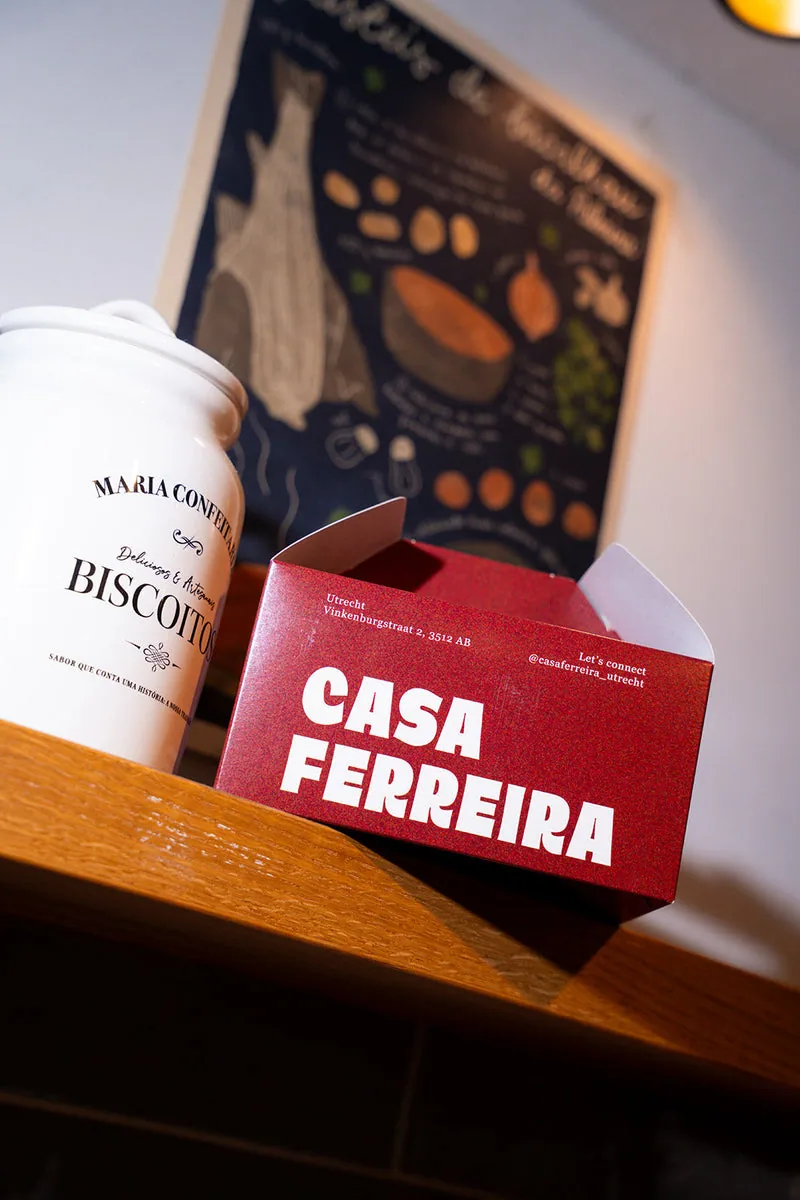
Your restaurant target audience is the group of people most likely to choose your concept, come back, and recommend it to others. When you know exactly who you want to attract, decisions about menu, pricing, atmosphere, packaging, and branded table items become much easier. A clear target audience helps you create a more consistent guest experience instead of trying to appeal to everyone. Some call them target customers or customer segments: the steps below work either way, with an example you can use for your own concept.
For restaurants, this is not only a marketing exercise. It shapes how your brand shows up at the table, on the terrace, and in takeaway moments, from napkins and coasters to cups, food packaging, and hospitality clothing. See = buy: your cup stimulates sales shows how design and messaging influence the right guests to choose you.
What a restaurant target audience really means
The target audience for a restaurant is the specific group of guests your concept is built for. These are the people whose needs, habits, budget, and expectations match what you offer best.
This goes beyond broad labels like “everyone in the area” or “people who like food.” A useful audience definition is specific enough to guide real choices, such as:
- Who they are - age range, life stage, work pattern, family situation
- What they want - speed, comfort, experience, quality, convenience, value
- When they buy - lunch breaks, evenings out, weekend dining, takeaway on busy days
- Why they choose you - atmosphere, price point, food style, location, service format
If your target customer of a restaurant is too vague, your brand often becomes generic. If it is clear, your concept feels more relevant and memorable.
How to identify the right target audience for your restaurant
You do not need a complicated research project to define the target audience of a restaurant. In most cases, a practical profile is enough if it connects directly to buying behavior and guest expectations. For a step-by-step framework, read From brand strategy to branding: the how-to guide.
Start with your concept
Look at what you actually offer. A fast casual lunch spot, a family-friendly terrace, and a premium dinner concept will not attract the same audience in the same way. Your cuisine, service style, price level, location, and brand tone all narrow the audience naturally.
Look at guest behavior, not just demographics
Age and income can help, but they do not explain enough on their own. Focus on behavior:
- Do guests eat in or order takeaway?
- Are they coming for speed or for experience?
- Do they visit alone, with colleagues, with family, or in groups?
- Are they price-sensitive or quality-driven?
This gives you a more useful restaurant target audience example than a simple age bracket.
Find the overlap between demand and fit
The best audience is not just the people you like to serve. It is the group that fits your concept, responds to your price point, and is likely to return. That overlap is where your positioning becomes strongest. For the bigger picture on why clear positioning around a target guest drives results, read A rock-solid hospitality brand: why it matters.
Rather have it done for you?
Your Brand Ambassador can do everything for you, and our in-house designers make your files print-ready. Or see your brand on everything first, in Studio.
Restaurant target audience example
Here is a simple example of how a restaurant can define its audience clearly.
| Restaurant concept | Target audience | What matters most to them |
|---|---|---|
| City lunch café | Office workers and freelancers nearby | Speed, reliability, clean presentation, easy takeaway |
| Family-friendly terrace restaurant | Parents with children and local weekend diners | Comfort, approachable pricing, relaxed setting, practical table service |
| Trendy casual dinner spot | Young professionals and social groups | Atmosphere, design, shareable moments, brand identity |
| Takeaway-focused concept | Busy urban customers ordering on the go | Convenience, packaging, speed, consistency |
Each of these examples would make different branding decisions, even if the food quality is equally strong. A real-world case: How DADAWAN is conquering the Netherlands shows effective positioning for a defined target audience.
Turn your target audience into brand choices guests notice
Once your audience is clear, the next step is to make sure your brand supports that experience in every touchpoint. This is where many restaurants lose consistency. They know who they want to attract, but the physical brand experience does not fully match.
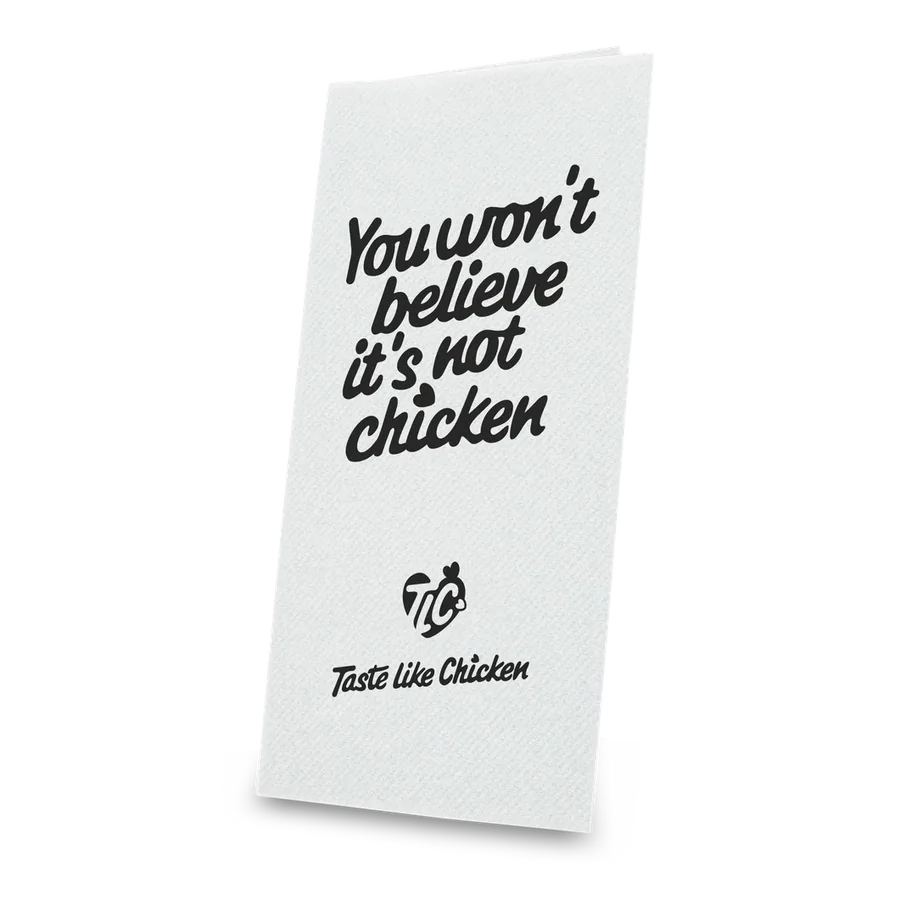
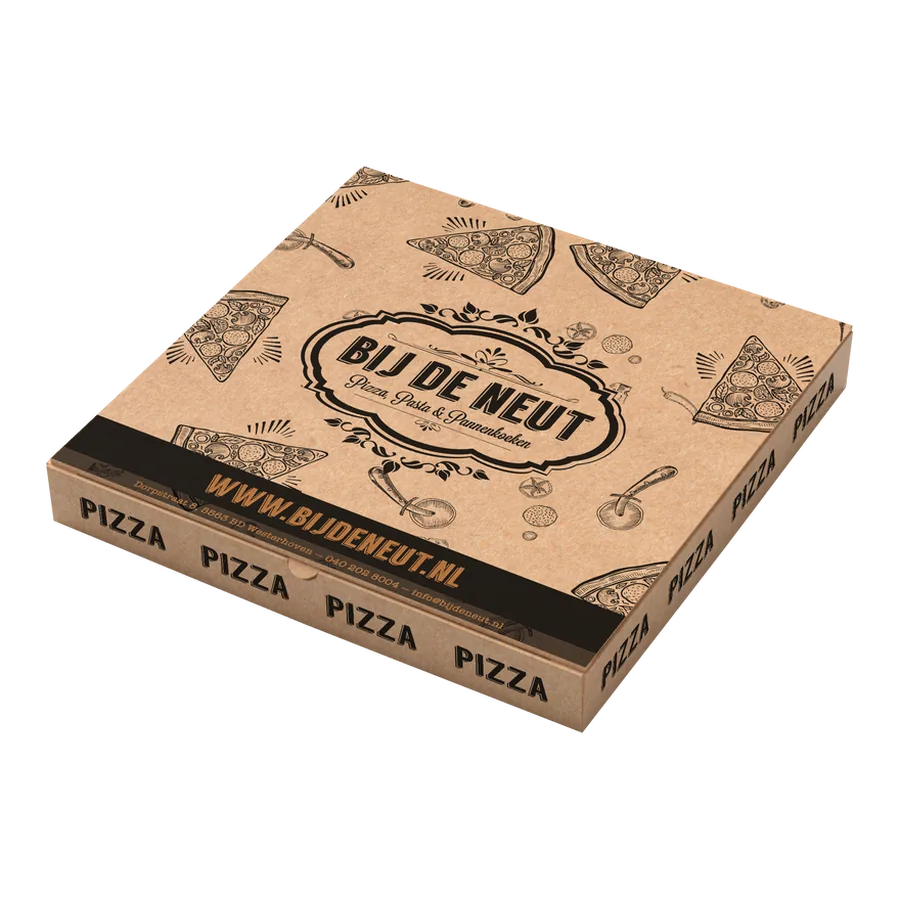
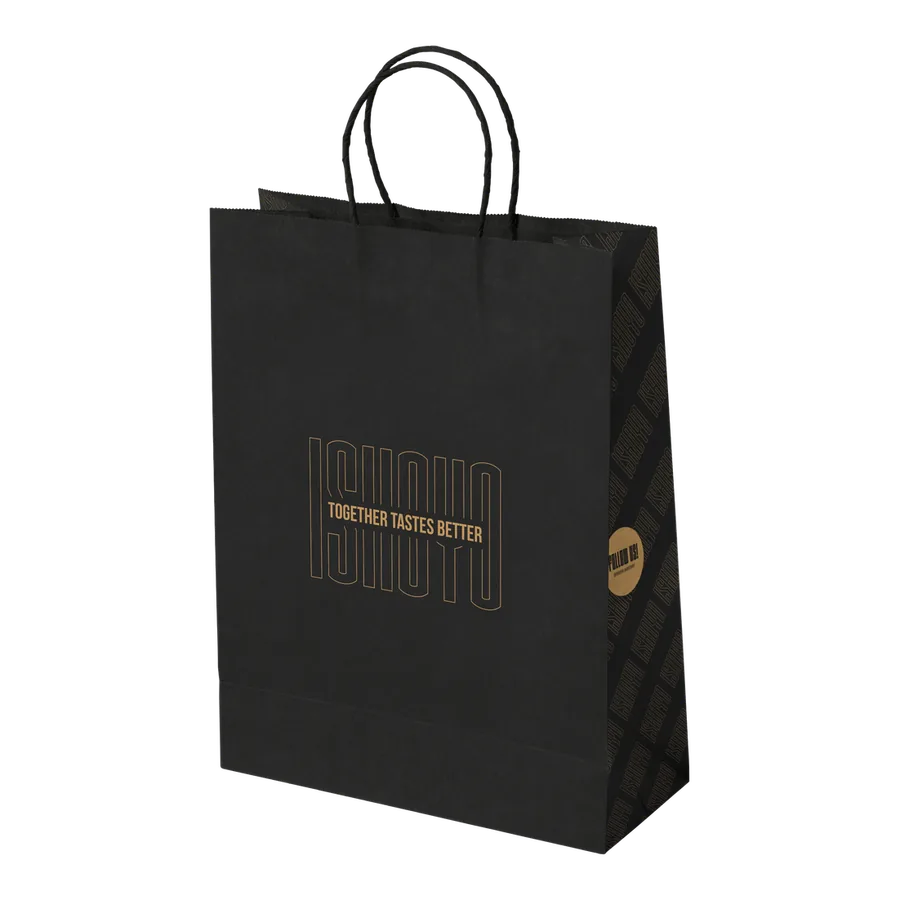
For example, a premium but relaxed concept may need elegant glassware, refined table décor, and well-designed napkins or coasters. A fast-moving casual concept may benefit more from smart food packaging, greaseproof paper, cutlery bags, cups, and carrier bags that feel practical but still branded. A terrace-focused setting may need a package that works across both table service and outdoor visibility. Napkins with your logo start from €0,014 apiece: see custom printed napkins.
These details matter because guests do not experience your brand only through a logo. They experience it through everything they see, touch, and take with them. Benefits of branding for hospitality businesses connects these choices to tangible outcomes.
Questions to ask when aligning brand touchpoints
- Does our presentation match our price level?
- Does the guest experience feel consistent from table to takeaway?
- Do our branded items support convenience, atmosphere, or both?
- Are we choosing practical materials and formats for the way guests actually use our service?
For restaurants that want help translating audience insight into branded hospitality materials, it can be useful to work with one partner that supports design, production, stock management, and delivery across items such as tableware, napkins, coasters, cups, packaging, and hospitality clothing.
Common mistakes when defining a restaurant target audience
- Trying to appeal to everyone - this usually weakens the concept and makes branding less distinctive
- Relying only on age or gender - behavior and expectations are often more important
- Ignoring the actual guest journey - dine-in, terrace, takeaway, and delivery all create different needs
- Positioning one way and presenting another - if your concept says premium but your presentation feels generic, guests notice the mismatch
- Copying competitors - your audience should reflect your concept, not someone else’s
How to know if your audience definition is working
A good target audience profile should make decisions easier. If it is useful, you should be able to answer questions like:
- What kind of guest are we prioritising?
- What should they feel when they visit us?
- What matters more to them: speed, value, atmosphere, convenience, or presentation?
- Which branded elements help reinforce that experience?
If the answers are still unclear, the audience definition is probably too broad.
FAQ
What are examples of target audiences for restaurants?
Examples include office workers looking for quick lunch, families wanting a relaxed dining experience, young professionals seeking a social atmosphere, or busy takeaway customers focused on convenience. The right target audience depends on your concept, location, price point, and service style.
How specific should a restaurant target audience be?
Specific enough to guide real decisions. You should be able to use it when choosing pricing, atmosphere, packaging, table presentation, and brand tone. If your description could apply to almost any restaurant, it is too broad.
Can a restaurant have more than one target audience?
Yes, but only if those audiences are genuinely important and can be served without weakening the concept. For example, a restaurant may serve office workers at lunch and couples in the evening. The key is to stay consistent and avoid creating a brand that feels unfocused.
Why does target audience matter for restaurant branding?
Because branding should reflect what your ideal guest expects. The right choices in table items, glassware, napkins, coasters, takeaway packaging, and hospitality clothing help create an experience that feels aligned with your concept and memorable to your audience.
Once your restaurant’s audience and positioning are set, explore Hospitality segment solutions.