Restaurant influencer marketing can help food brands turn attention into visits, orders, and social proof when it is built around the right audience, the right creators, and a clear in-store or delivery experience. For restaurants, it works best when the online content matches what people actually receive at the table, at the counter, or in their takeaway order. That is why good campaigns are not only about reach, but also about presentation, consistency, and brand recall. Food influencer marketing is not only for big chains: local food bloggers and Instagram or TikTok food creators with a nearby audience often bring more guests than one famous name. This guide covers influencer marketing for restaurants, cafés and bars alike.
If you are exploring influencer marketing for restaurants, the goal is usually simple: get more of the right people to notice your concept, trust it, and try it. The most effective approach combines creator content with a brand experience that looks clear, memorable, and easy to share.
What restaurant influencer marketing actually means
Restaurant influencer marketing is the use of creators, local personalities, food bloggers, or social media voices to showcase a restaurant to their audience. In practice, this often includes tasting visits, menu spotlights, launch moments, user-generated content, or social posts that show the full experience.
In the food industry, this works especially well because restaurants are highly visual and highly local. People want to see the dishes, the atmosphere, the packaging, and the details before they decide to visit or order. A good creator can make that experience feel immediate and credible.
Why it works well for restaurants
Restaurants benefit from influencer activity because food decisions are often impulsive, social, and visual. A strong post or video can quickly move someone from awareness to action, especially when the content answers practical questions such as what the food looks like, what the vibe is like, and whether the concept feels worth trying.
- Local reach - nearby audiences are easier to convert into visits or orders
- Visual appeal - food, drinks, interiors, and packaging perform naturally on social platforms
- Social proof - creator content reduces hesitation for first-time guests
- Repeat visibility - content can keep circulating after the initial collaboration
For many restaurant brands, the biggest value is not only immediate traffic. It is also the bank of reusable content, stronger brand recognition, and a more consistent public image.
Rather have it done for you?
Your Brand Ambassador can do everything for you, and our in-house designers make your files print-ready. Or see your brand on everything first, in Studio.
What makes influencer marketing for restaurants effective
The strongest restaurant campaigns are usually simple. They give creators something genuinely worth sharing and make sure every visible touchpoint supports the same brand impression.
Clear concept
If the restaurant positioning is vague, creator content tends to be vague too. People should quickly understand what makes the concept distinct, whether that is fast casual quality, a playful menu, premium presentation, or a strong takeaway identity.
Shareable visual details
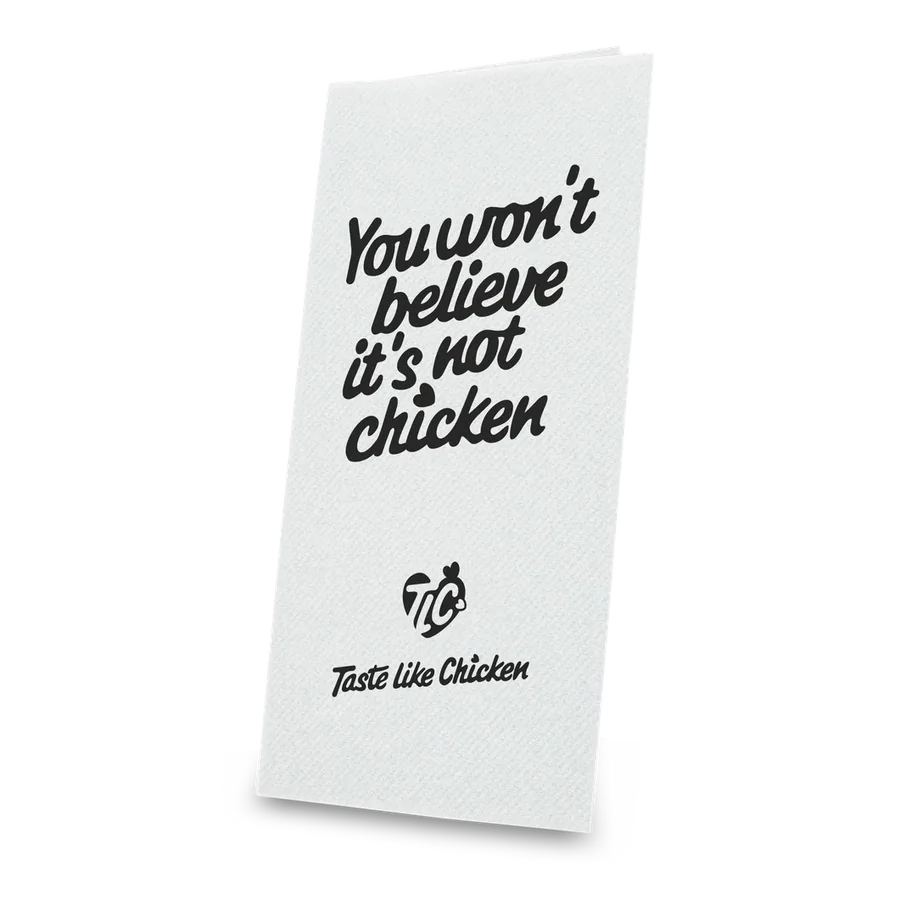
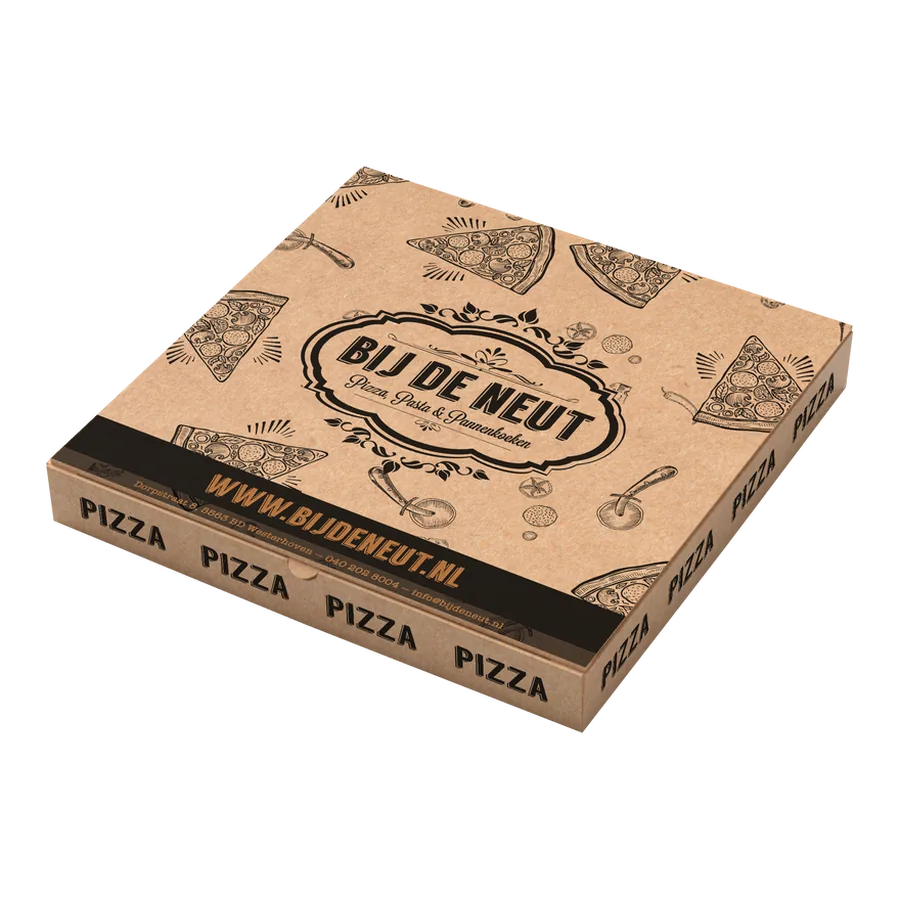
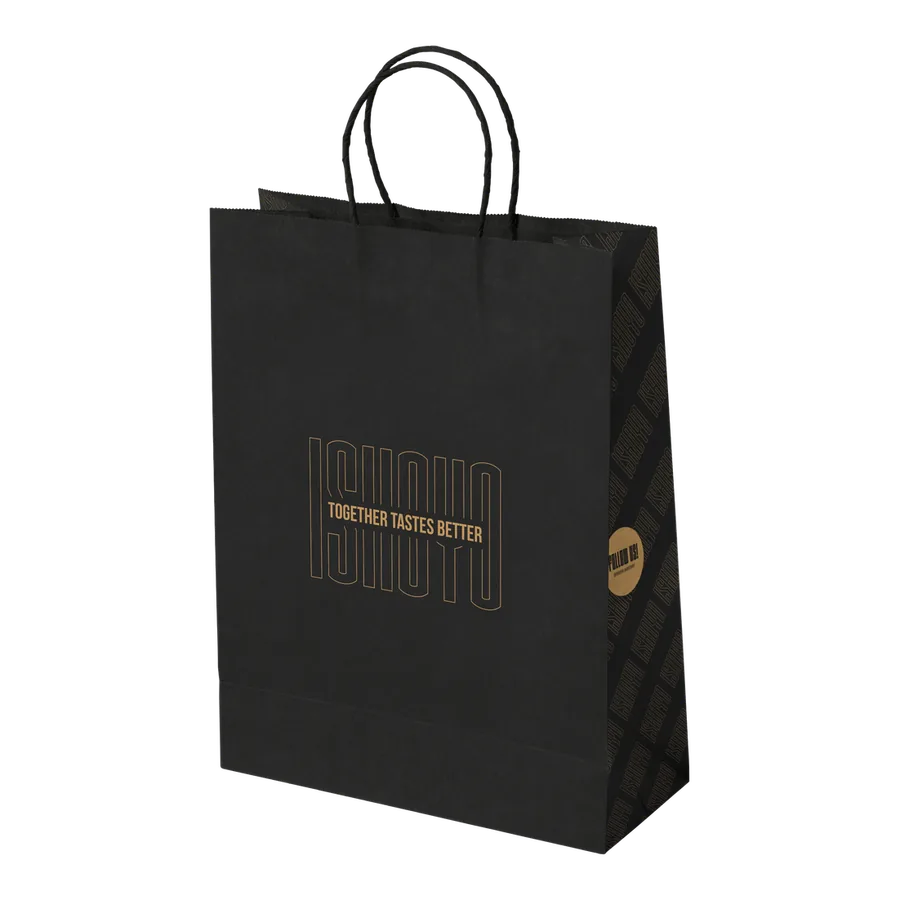
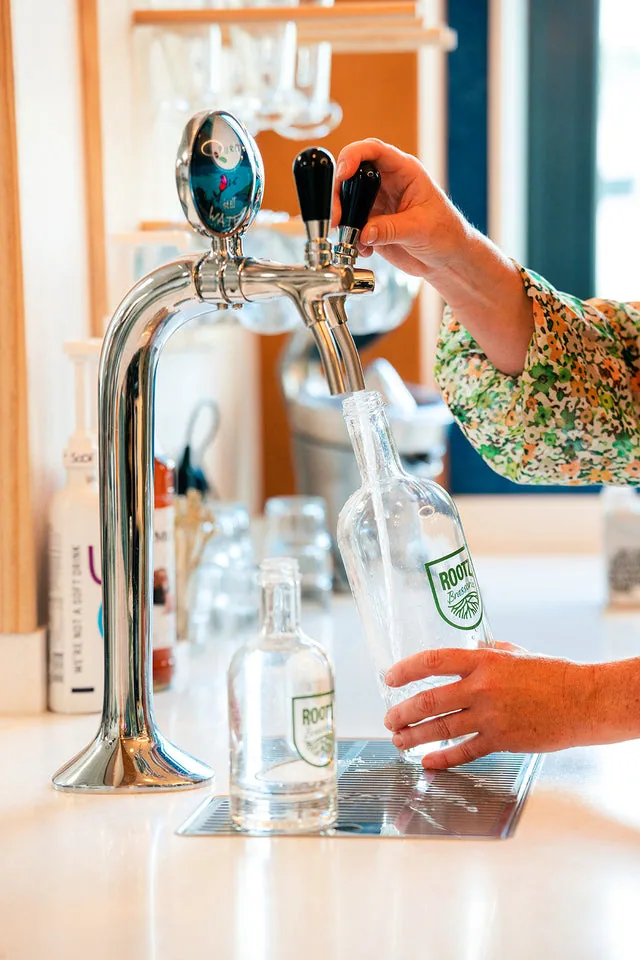
Influencer content performs better when there is something worth framing in a photo or video. That can come from plated dishes, branded cups, napkins, greaseproof paper, packaging, tableware, or a recognisable visual identity. Small details often shape how polished the brand looks online.
Consistency between online and offline experience
If a post promises one experience and the guest receives another, results drop fast. The food, service flow, packaging, and visual presentation should support the story people see on social media.
A specific call to action
Restaurant influencer marketing works better when people know what to do next. That may be visiting a new location, trying a limited menu item, ordering takeaway, or discovering the brand for the first time.
How to choose the right food creators and local food bloggers
Follower count alone is not enough. For restaurants, relevance and audience fit usually matter more than scale.
- Look for local influence - a creator with a strong city or neighborhood audience can outperform a larger but less relevant profile
- Check content quality - does the creator present food and hospitality experiences clearly and attractively?
- Review audience fit - their followers should match your likely guests in age, location, and price expectations
- Prioritise engagement quality - comments, saves, shares, and genuine interaction matter more than vanity numbers
- Consider brand fit - the creator tone should feel natural for your concept, not forced
In many cases, a group of smaller, well-matched creators will produce better results than one broad collaboration with weak local relevance.
Common campaign formats for restaurants
There is no single best format. The right option depends on whether the goal is awareness, launch support, content creation, or direct response.
- Opening or relaunch visits - useful for introducing a new location or refreshed concept
- Menu tastings - helpful when signature items are the main selling point
- Seasonal or limited-time promotions - effective for creating urgency
- Takeaway and delivery showcases - ideal when packaging and at-home presentation matter
- Content-first collaborations - valuable when the main goal is to build a library of social assets
Whichever format you choose, the experience should be easy to capture. That means paying attention to presentation, timing, and branded details that make the content unmistakably yours.
The branding side most restaurants underestimate
Many restaurant teams focus only on the creator, but the brand environment is what makes the content memorable. When photos and videos show a consistent identity across packaging, tabletop items, and visual design, the restaurant becomes easier to recognise and easier to remember.
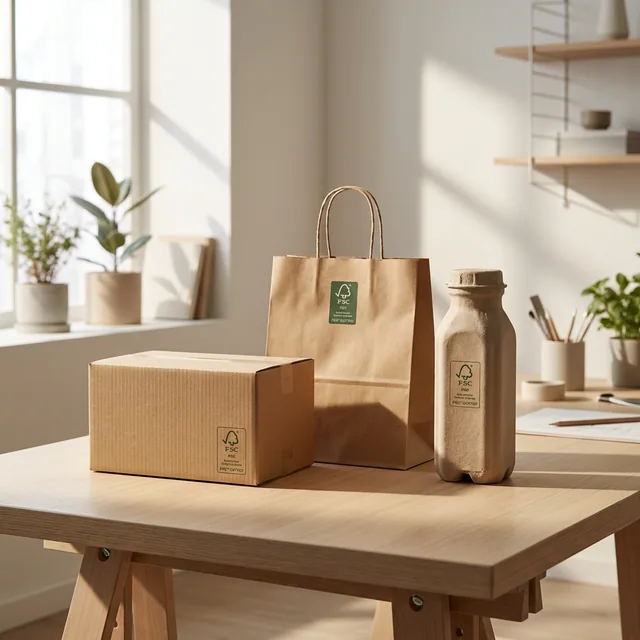
This is especially important for takeaway, quick service, and delivery-led concepts where branded products do part of the marketing work. Cups, napkins, cutlery pouches, food packaging, and greaseproof paper are often visible in social content. When these details are designed well, they can strengthen the effect of influencer marketing without changing the campaign itself.
For hospitality brands that want to improve how they appear in creator content, it often helps to review not only the campaign idea but also the physical printed hospitality products people will actually see on camera.
How to measure whether a campaign worked
Good measurement depends on the goal. A restaurant launch campaign should not be judged the same way as a content creation campaign.
| Goal | Useful signals |
|---|---|
| Awareness | Reach, impressions, profile visits, branded search interest |
| Engagement | Comments, shares, saves, video completion, story replies |
| Traffic or orders | Tracked links, promo codes, reservation clicks, delivery uplift |
| Brand visibility | Quality of content, repeat mentions, recognisable branding in posts |
It is also worth looking beyond the first 48 hours. Restaurant influencer marketing can keep creating value through reposting, ad reuse where appropriate, and the long tail of discoverable content.
Mistakes that weaken restaurant influencer campaigns
- Choosing creators only by follower count
- Running campaigns without a clear offer or next step
- Ignoring how the food, packaging, or table presentation appears on camera
- Using inconsistent brand elements across locations or channels
- Expecting measurable results without tracking methods
Most underperforming campaigns are not caused by influencer marketing itself. They happen because the concept, presentation, or conversion path was not clear enough.
How to prepare your restaurant before working with influencers
Before inviting creators in, make sure the experience is campaign-ready. That includes checking that the visual identity is consistent, the key menu items are presented well, the service team understands the activation, and any branded products support the look you want to show online.
If your restaurant depends on takeaway or delivery, packaging deserves special attention. It is often one of the most visible parts of creator content and one of the easiest ways to reinforce your brand after the first impression.
FAQ
What is influencer marketing in the food industry?
It is a marketing approach where food and hospitality brands work with creators to promote products, venues, or experiences through social content. For restaurants, this often means showing dishes, atmosphere, packaging, or a full dining moment in a way that feels authentic to the creator's audience.
Is restaurant influencer marketing better for dine-in or delivery brands?
It can work for both. Dine-in brands usually benefit from atmosphere, presentation, and in-person experience, while delivery brands often gain from visually strong packaging, food presentation, and convenience-focused messaging.
How many influencers should a restaurant work with?
That depends on budget, location, and goals. Many restaurants see better results from a smaller group of well-matched local creators than from one larger account with weaker audience relevance.
Do restaurants need strong branding before starting influencer campaigns?
They do not need to be perfect, but they do need to be clear and consistent. When the visual identity, packaging, and presentation are aligned, creator content is more recognisable and more likely to support long-term brand recall. That is also why it helps to understand the benefits of branding for hospitality businesses and to think beyond short-term campaigns with a broader brand strategy and branding guide.