Hospitality email marketing remains one of the most practical ways for hotels, restaurants, and cafés to build repeat business without relying only on third-party platforms. When used well, it helps hospitality brands stay visible between visits, promote timely offers, and create a more consistent guest experience. The key is not sending more emails, but sending relevant messages that match the guest journey.
Why email marketing matters in the hospitality industry
Hospitality businesses depend on repeat visits, seasonal demand, and strong guest relationships. Email fits that model well because it gives brands a direct way to communicate with past guests and interested subscribers at low ongoing cost.
Unlike channels that are shaped by changing algorithms, email gives more control over timing, audience selection, and message content. That makes it useful for both short-term campaigns and long-term relationship building within digital marketing in the hospitality industry. It works best as part of broader hospitality marketing.
- Hotels
Support direct bookings, upsell stays, and encourage repeat visits without depending only on OTAs.
- Restaurants and cafés
Promote new menus, special events, and quieter trading periods with timely messages to past guests.
- Multi-location brands
Use segmentation to keep communications relevant by region, venue, or guest preference.
What good hospitality email marketing looks like
Effective email marketing in the hospitality industry is built around timing, relevance, and brand consistency. Guests should feel that each email is useful, easy to understand, and connected to the experience they expect from the brand. That usually means focusing on a few basics:
- Clear audience segments based on behavior, interests, booking history, or location
- Strong campaign purpose such as booking, rebooking, event attendance, or loyalty
- Simple design and mobile readability so emails are easy to scan on any device
- Consistent branding across every guest touchpoint, from inbox to venue
- Relevant calls to action that make the next step obvious
In hospitality, brand presentation matters as much as the offer itself. A polished email should feel aligned with the rest of the guest journey, from menus and in-venue materials to booking confirmations and follow-up messages.
Core email types hospitality brands use
Most results come from a small number of campaign types used consistently. Not every business needs a complex setup, but each email should have a clear role.
- Promotional campaigns
Support offers tied to seasonality, occupancy, events, or menu changes. Examples: midweek stay packages, holiday dining promotions, brunch launches, or limited-time specials.
- Pre-arrival or pre-visit
For hotels, help guests prepare while increasing ancillary revenue. For restaurants, support event bookings or special experiences with practical details and optional upgrades.
- Post-visit follow-up
Keep the relationship going after the guest leaves. Encourage a return visit, promote loyalty incentives, or share relevant next-step offers based on what the guest previously booked.
- Lifecycle and automation
Welcome emails, birthday offers, booking reminders, and re-engagement campaigns often perform well because they are triggered by guest actions or milestones.
Segmentation is what improves performance
Sending the same message to every contact rarely works well in hospitality. Guest needs differ based on visit type, spending level, booking habits, and timing. Segmentation helps make each campaign more useful and more likely to convert.
- First-time vs returning guests
- Business vs leisure travelers for hotels
- Event diners vs regular local guests for restaurants and cafés
- High-value customers based on average spend or booking frequency
- Guests inactive for a set period who may need a re-engagement offer
Even simple segmentation can improve open rates, click rates, and direct revenue because the message feels more relevant to the recipient, especially when campaigns are built around a clearly defined restaurant target audience.
Prospects and challenges of email marketing in hospitality
The prospects for hospitality email marketing remain strong because the channel supports repeat business, direct communication, and better use of guest data. As acquisition costs continue to rise across paid channels, owned channels such as email become even more valuable.
At the same time, there are clear challenges to work around:
- Inbox competition from other travel, food, and lifestyle brands
- Weak segmentation caused by incomplete or disconnected guest data
- Inconsistent branding across digital and physical touchpoints
- Overuse of discounts that reduce perceived value over time
- Operational gaps where email promises do not match the real guest experience
How to make hospitality emails feel more on-brand
Email performance is not only about subject lines and timing. In hospitality, presentation strongly affects trust and response. A guest should recognize the brand immediately and feel the same standard of quality they would expect in person.
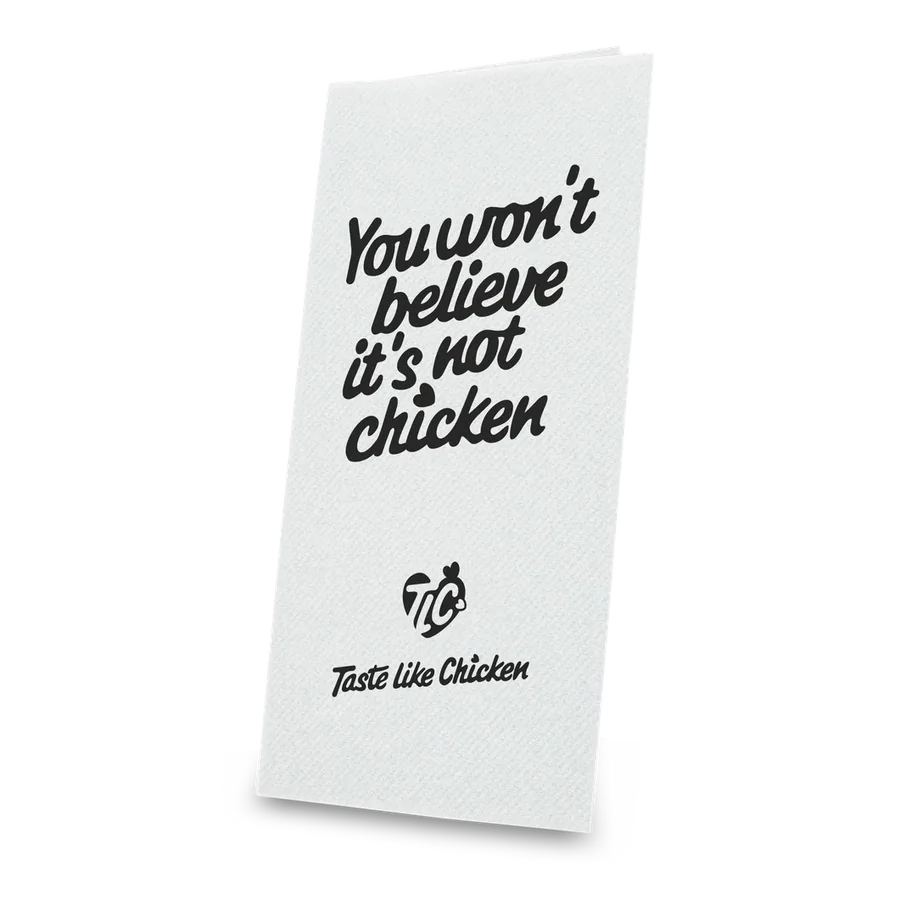
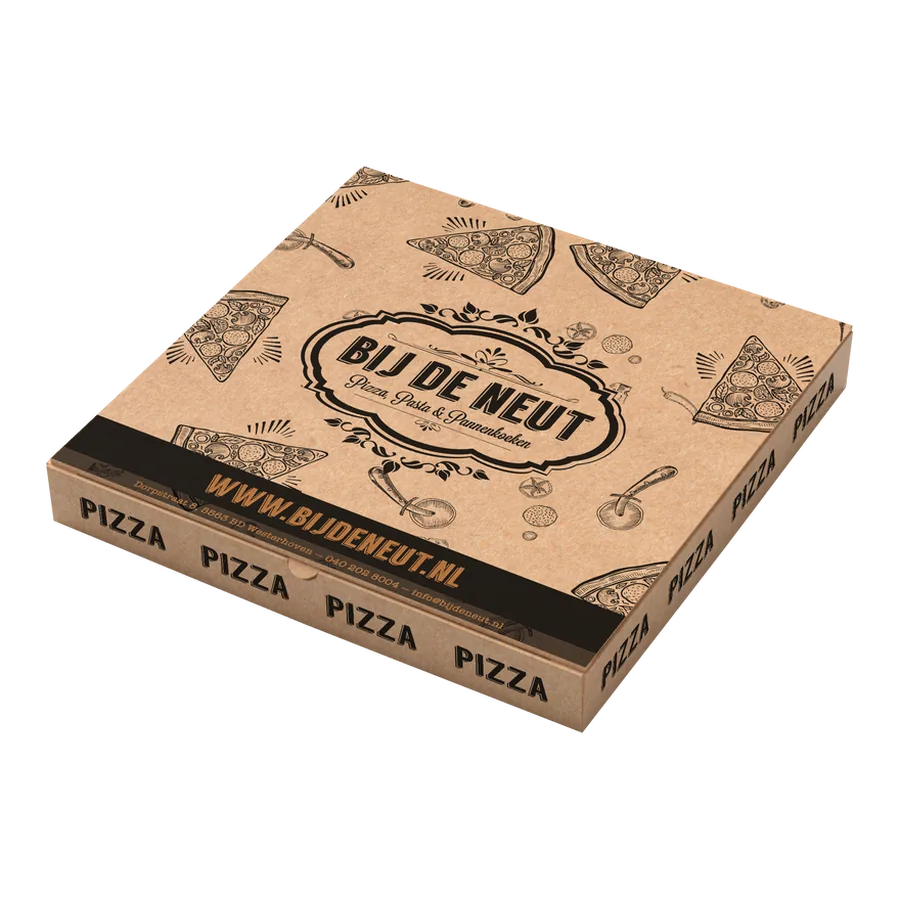
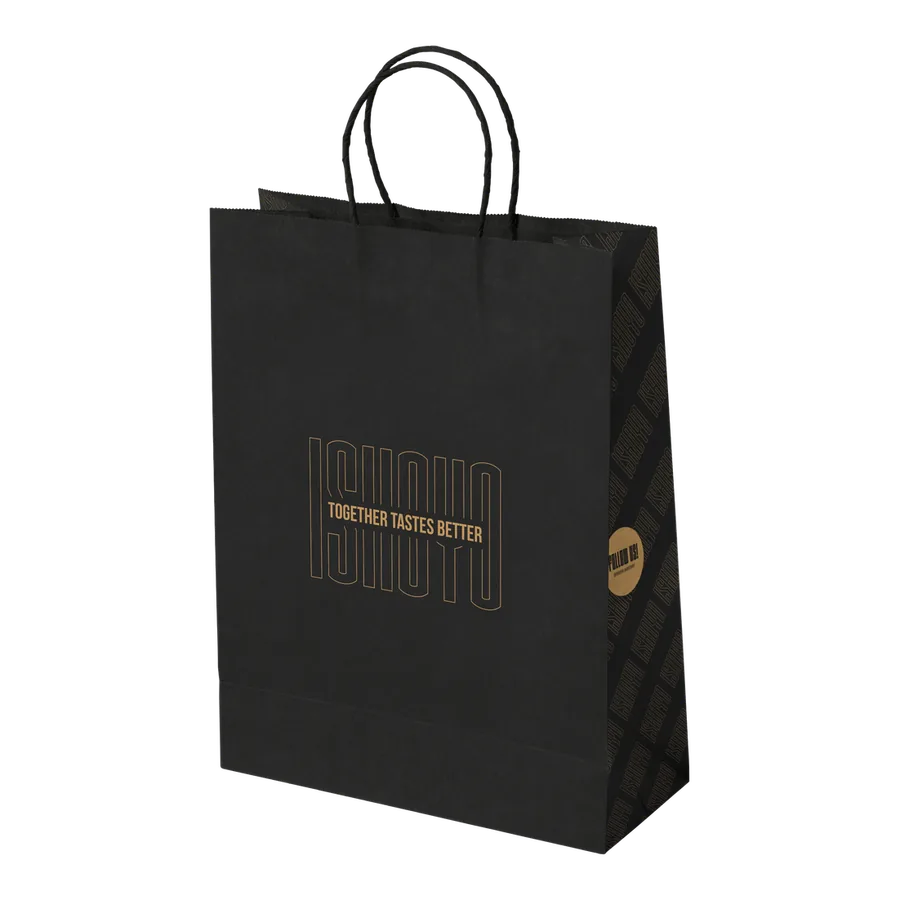
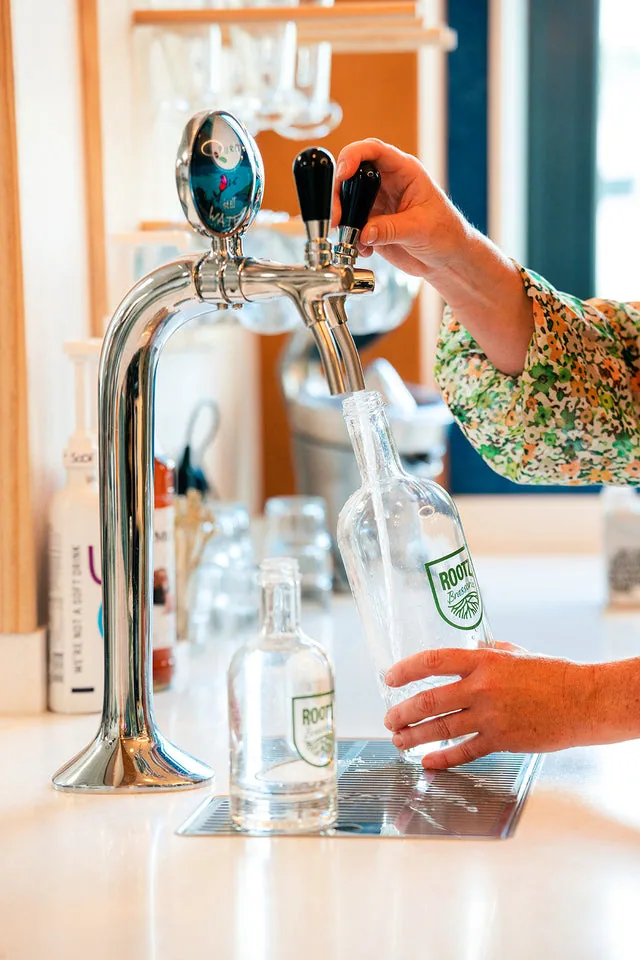
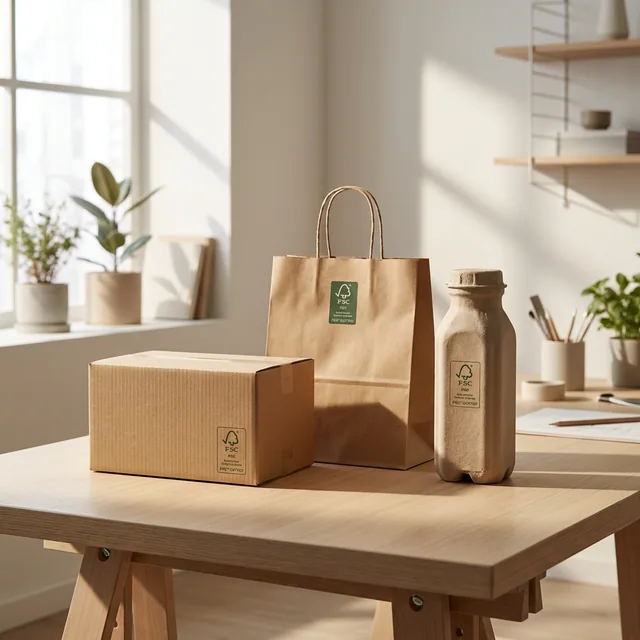
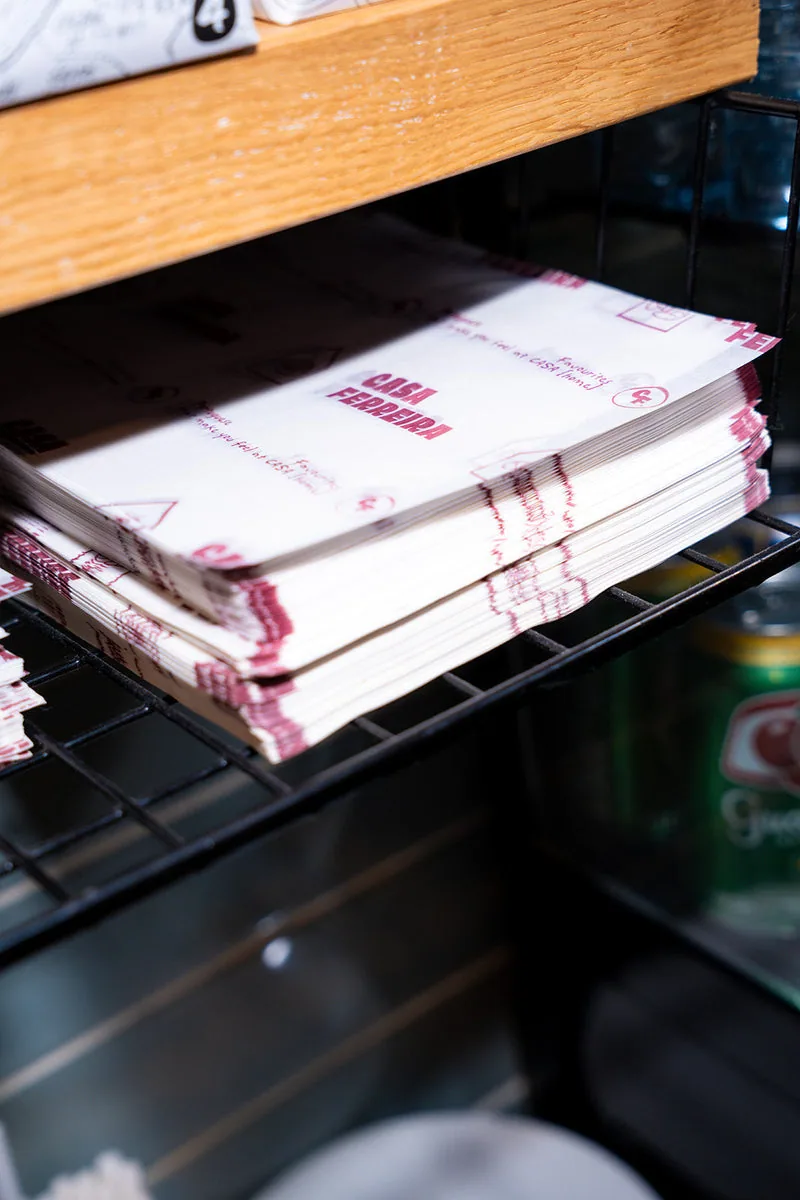
To support that, brands should keep visual and verbal consistency across all guest communications and physical materials. For hospitality businesses, this can include alignment between email campaigns and touchpoints such as menus, packaging, apparel, table materials, and other branded items used in hotels, restaurants, and cafés. When those elements work together, email becomes more than a sales tool. It becomes part of a coherent brand experience.
Best practices that keep campaigns effective
- Write for one clear action instead of trying to promote everything at once.
- Use strong timing around seasonal peaks, local events, and booking windows.
- Prioritize mobile design because many guests open emails on their phones.
- Keep copy concise and visually easy to scan.
- Test subject lines and offers to learn what drives action.
- Measure outcomes that matter such as bookings, covers, repeat visits, and direct revenue.
FAQ
What is hospitality email marketing?
Hospitality email marketing is the use of email campaigns and automated messages to attract, convert, and retain guests for businesses such as hotels, restaurants, and cafés. It is typically used to promote offers, support bookings, encourage repeat visits, and strengthen guest relationships.
Why is email effective for hotels and restaurants?
Email is effective because it gives hospitality brands a direct communication channel they control themselves. It supports repeat business, can be highly targeted, and often delivers strong value compared with channels that rely heavily on paid reach.
What should hospitality businesses send in email campaigns?
The strongest campaigns usually focus on timely offers, booking reminders, event promotions, pre-visit information, post-visit follow-up, and automated lifecycle messages. The right mix depends on the business model and guest journey. For restaurants, this can work especially well alongside a restaurant social media content calendar.
What is the biggest challenge in email marketing for hospitality?
One of the biggest challenges is maintaining relevance. If guest data is limited or campaigns are too broad, emails can feel generic and underperform. Good segmentation and a consistent brand experience help solve that.
How often should a hospitality brand send marketing emails?
There is no single ideal frequency. The right approach depends on how often the business has something genuinely useful to say. Regular, relevant communication performs better than frequent messages sent without a clear purpose, particularly when it supports broader efforts like local marketing ideas for restaurants.