Hospitality marketing is about shaping how guests experience your brand before, during, and after every visit. While digital channels often get the most attention, on-site branded materials also play a direct role in how people remember your business, recognize your identity, and connect your service with quality. For hotels, restaurants, cafes, bars, and other hospitality businesses, strong marketing is not only about reach - it is also about consistency across every physical touchpoint. It covers hospitality brand strategy as much as promotion: how branding for hospitality businesses shows up on-site, and how hospitality brand marketing connects your menus, packaging and apparel with what guests see online.
What hospitality marketing really means
Hospitality marketing is the way a hospitality business presents itself to attract guests, support sales, and build loyalty. That can include brand messaging, visual identity, guest communication, promotions, and the physical materials guests interact with in the venue.
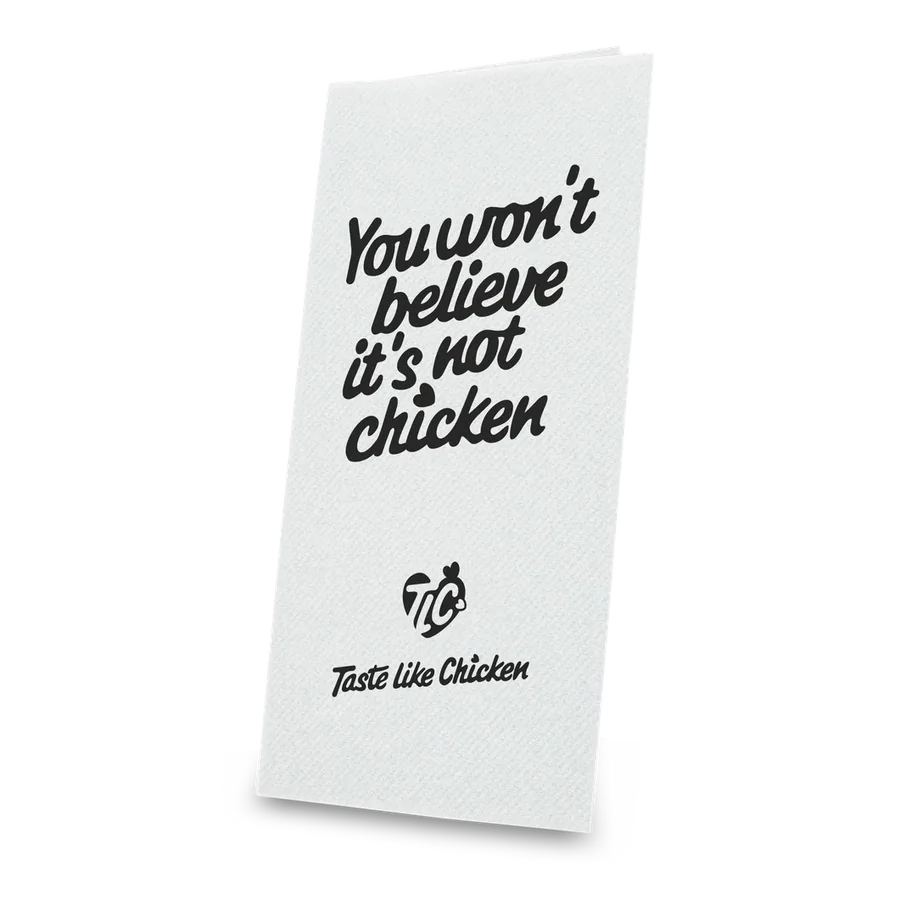
In practice, hospitality marketing is not limited to advertising. It also includes the details that influence perception at the table, at check-in, at takeaway, or during room service. Menus, napkins, packaging, coasters, table decoration, apparel, and other printed items help turn a general visit into a branded experience.
Why physical brand touchpoints matter in hospitality
Hospitality is a hands-on industry. Guests do not only see your brand - they hold it, use it, and associate it with the service they receive. That is why branded materials are part of hospitality marketing, not just an operational extra.
- They improve recognition - consistent branding makes your business easier to remember.
- They support positioning - the right look and finish help communicate whether your concept is casual, premium, modern, playful, or refined.
- They create consistency - when packaging, table items, and staff apparel align, the guest experience feels more complete.
- They strengthen perceived quality - thoughtful details can make the service feel more polished.
- They extend the brand beyond the venue - takeaway and delivery packaging continue the experience after the guest leaves.
Rather have it done for you?
Your Brand Ambassador can do everything for you, and our in-house designers make your files print-ready. Or see your brand on everything first, in Studio.
Hospitality brand marketing on-site: the core elements
For many hospitality brands, some of the most visible marketing happens inside the guest journey itself. The most useful physical assets are the ones that guests naturally see and use.
Menus and table presentation
Menus, napkins, coasters, cutlery bags, and table decoration influence first impressions at the table. When these items align with your visual identity, they help create a more professional and memorable setting.
Food and drink packaging
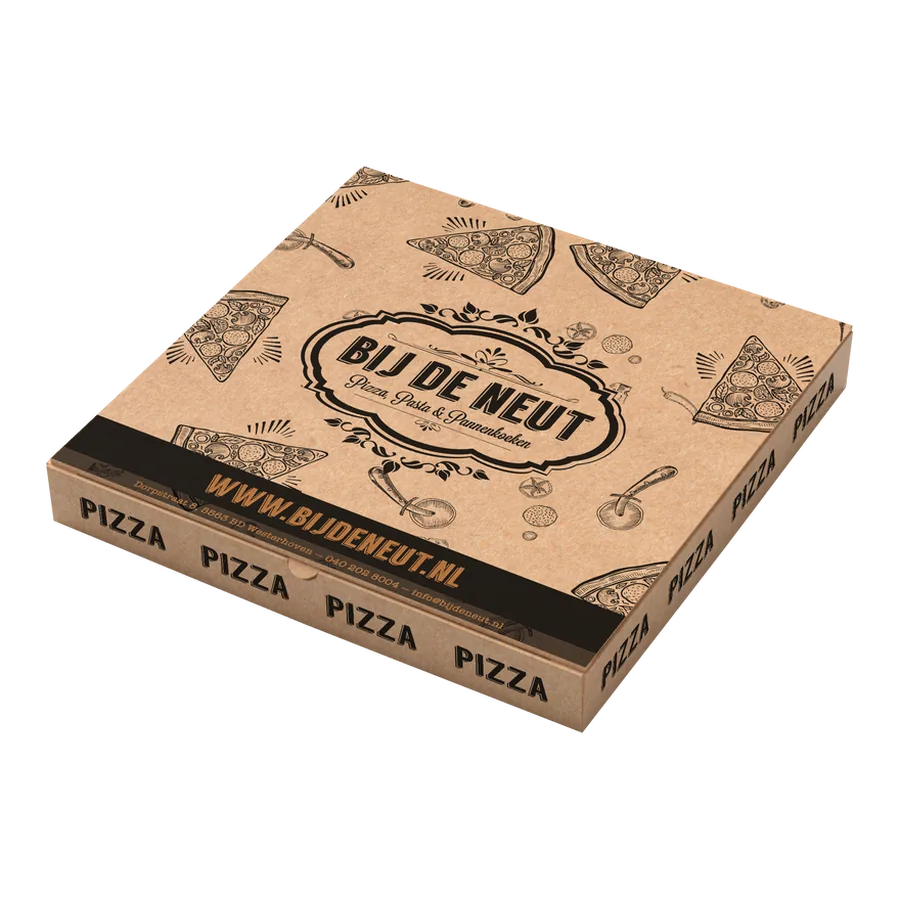
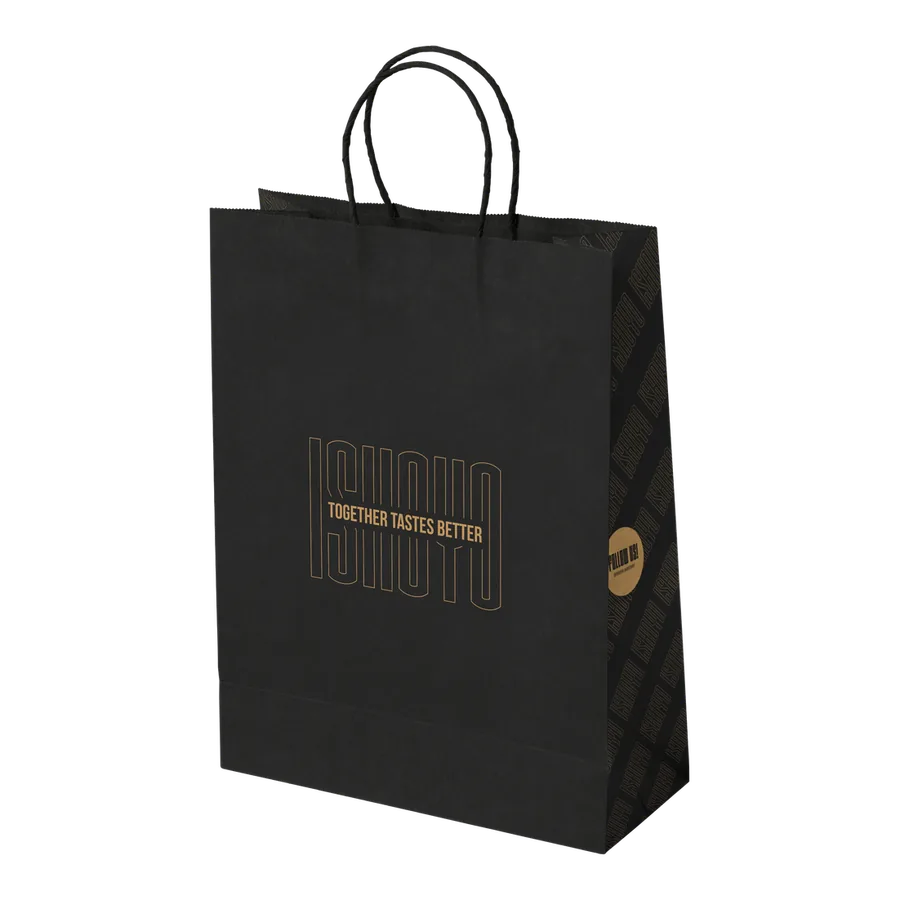
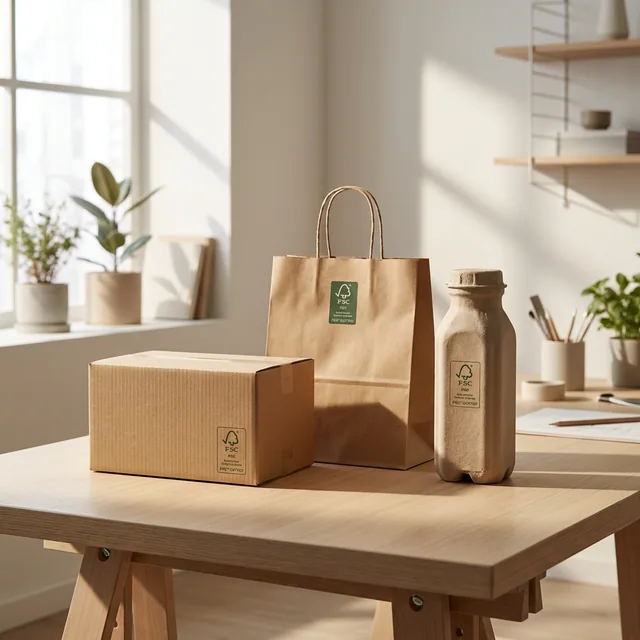
Packaging matters for takeaway, delivery, events, and quick-service concepts. Branded cups, greaseproof paper, food packaging, and refreshment wipes can reinforce your identity while keeping the experience consistent outside the venue.
Hospitality apparel
Branded clothing helps staff look unified and recognizable. It can also support the tone of the concept, whether that is relaxed, premium, design-led, or practical.
Printed and branded support materials
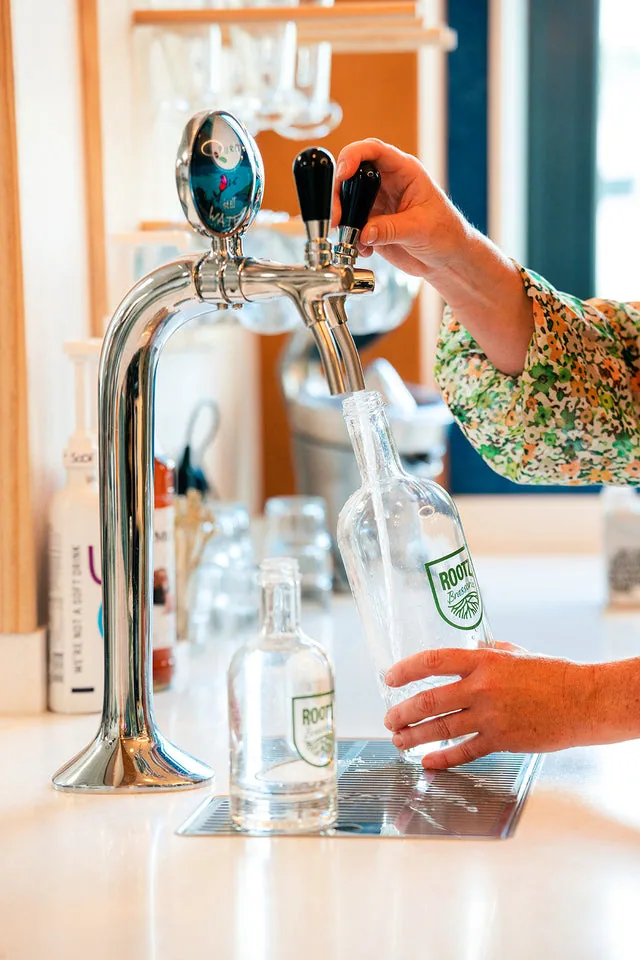
Items such as tableware accents and custom printed materials can tie together the visual language of the venue. Used well, they make the brand feel intentional rather than improvised.
How to build a stronger hospitality marketing strategy
A good hospitality marketing strategy does not need to be overcomplicated. It needs to be clear, consistent, and practical to apply across the guest experience.
- Define your brand clearly
Start with the basics: your visual identity, tone, audience, and the kind of experience you want guests to associate with your business. Understanding the benefits of branding for hospitality businesses can help clarify this foundation. If you operate a restaurant, begin by defining your restaurant’s target audience so messaging and offers align with guest needs. - Map your guest touchpoints
Look at where guests first encounter your brand and where they interact with it physically. This may include the table, takeaway packaging, staff presentation, and in-room or in-store materials. - Choose high-impact assets
Focus first on the items guests notice most often. In many hospitality settings, these are menus, napkins, cups, packaging, and apparel. - Keep branding consistent
Colors, logo use, typography, and overall style should feel connected across all materials. - Make operations part of the plan
A strong brand system works better when production, stock, and delivery are managed well, so branded materials stay available and consistent over time.
Common mistakes in hospitality marketing
- Focusing only on promotion - attracting attention is useful, but the in-person experience still shapes how guests judge the brand.
- Using inconsistent materials - mixed styles across menus, packaging, and apparel can make the brand feel less professional.
- Treating branded items as separate from marketing - physical materials are part of how guests experience and remember the business.
- Ignoring practical management - brand consistency becomes harder when products, stock, and replenishment are not organized.
Where branded products fit into hospitality marketing
Branded products support hospitality marketing by bringing the identity of the business into everyday guest interactions. This is especially relevant for businesses that want their branding to feel visible, consistent, and useful rather than decorative.
Custom products such as menus and napkins, packaging, apparel, cups, coasters, refreshment wipes, cutlery bags, and table-related materials can help create that consistency. When paired with structured brand setup, custom production, and ongoing stock or inventory support, these assets become easier to manage at scale. Businesses exploring suitable hospitality products can use these items to support a more consistent guest experience.
For hospitality businesses that want a more organized brand experience, this practical layer often matters as much as the creative one.
What effective hospitality marketing should achieve
At its best, hospitality marketing helps guests recognize your brand quickly and experience it consistently. It should make the business feel more cohesive, more memorable, and more aligned with the service you provide.
That does not always require more channels or more campaigns. Often, it starts with stronger execution across the guest moments that already exist. For a broader online perspective, see digital marketing in the hospitality industry. For practical guidance on paid and organic promotion, explore restaurant advertising strategies.
FAQ
What is hospitality marketing?
Hospitality marketing is the process of promoting and presenting a hospitality business in a way that attracts guests, supports bookings or orders, and builds long-term brand recognition. It includes both communication and guest-facing brand experiences.
How much do hotels pay for marketing?
Marketing spend varies widely depending on the size of the hotel, its market, and the channels it uses. There is no single standard amount. In practice, the better question is how to invest in the touchpoints that most directly influence guest perception and brand consistency.
Is hospitality marketing only digital?
No. Digital channels can support visibility and demand, but hospitality marketing also includes physical brand elements that guests experience on-site or through takeaway and delivery. In many hospitality settings, these tangible touchpoints are a meaningful part of the brand.
Why are branded materials important for hospitality businesses?
They help make the guest experience feel consistent and recognizable. When items such as menus, packaging, apparel, napkins, and table accessories reflect the same visual identity, the brand becomes easier to remember and more professional in presentation. To extend reach and awareness, consider a social media strategy for restaurants. To drive nearby visits and bookings, use local marketing ideas for restaurants.