Good restaurant advertising is not only about getting seen. It is about making your brand memorable at every step of the guest journey, from takeaway packaging to the table itself. The strongest strategies combine clear positioning, consistent branding, and practical touchpoints that keep your restaurant visible long after a first visit. Whether you are planning advertising for restaurants online or advertising inside your restaurant, the aim is the same: a name guests remember when they decide where to eat.
If you want better results from your marketing, start with the channels and materials customers actually notice. For many restaurants, cafes, and food concepts, branded packaging, napkins, cups, coasters, and tableware can support awareness, repeat visits, and a more professional brand experience.
What makes a restaurant advertising strategy effective?
An effective strategy helps people recognise your restaurant quickly, understand what makes it different, and remember it when they are ready to order or visit. That means your advertising should do more than create reach. It should connect every touchpoint to one clear brand story.
In practice, strong restaurant advertising strategies usually have four essentials:
- Clear positioning - your concept, tone, and visual identity are easy to understand
- Consistency - guests see the same brand cues online, in store, and on packaging
- Visibility - your brand appears in places customers naturally interact with
- Repetition - the brand is seen often enough to become familiar and trusted
Many restaurants focus only on short-term promotion. That can work for a quick spike in orders, but long-term growth usually comes from repeated, branded exposure that makes your business easier to remember and recommend.
Advertising inside your restaurant: the touchpoints guests already use
One of the most practical ways to advertise a restaurant is to strengthen the materials already in daily use. This is especially valuable for hospitality businesses because customers regularly interact with physical brand elements before, during, and after they eat.
Examples include:
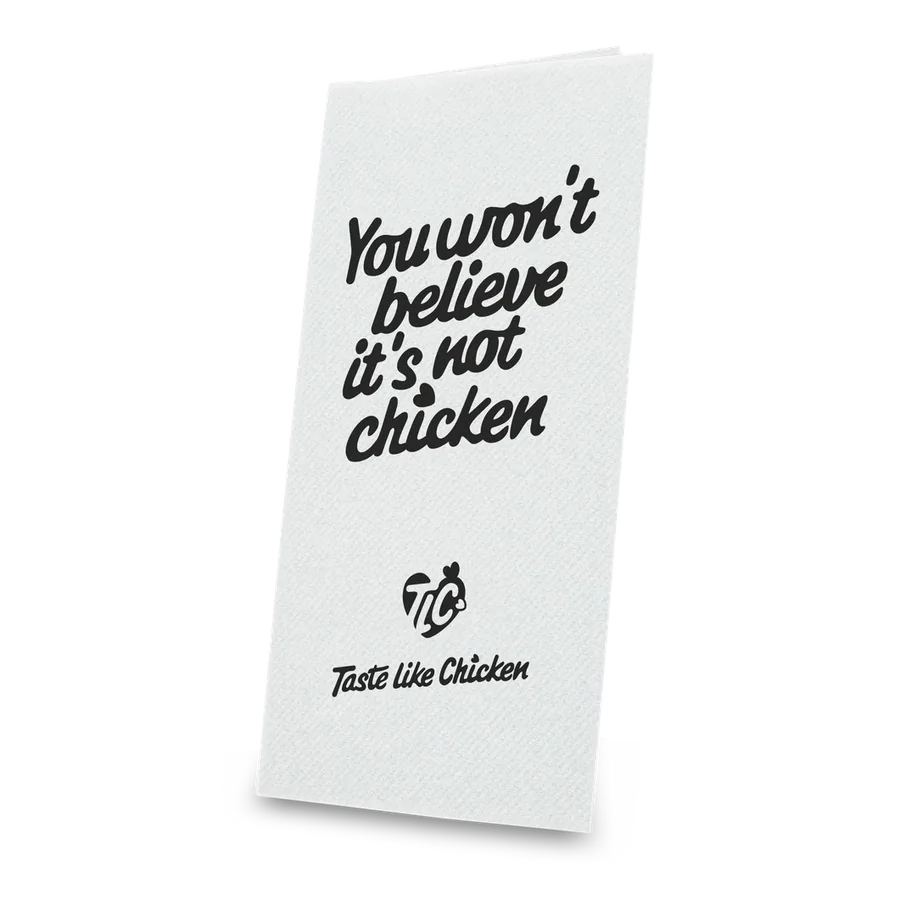
- Napkins that carry your logo or campaign design
- Greaseproof paper that reinforces branding in dine-in and takeaway orders
- Cups that turn every drink into a visible brand asset
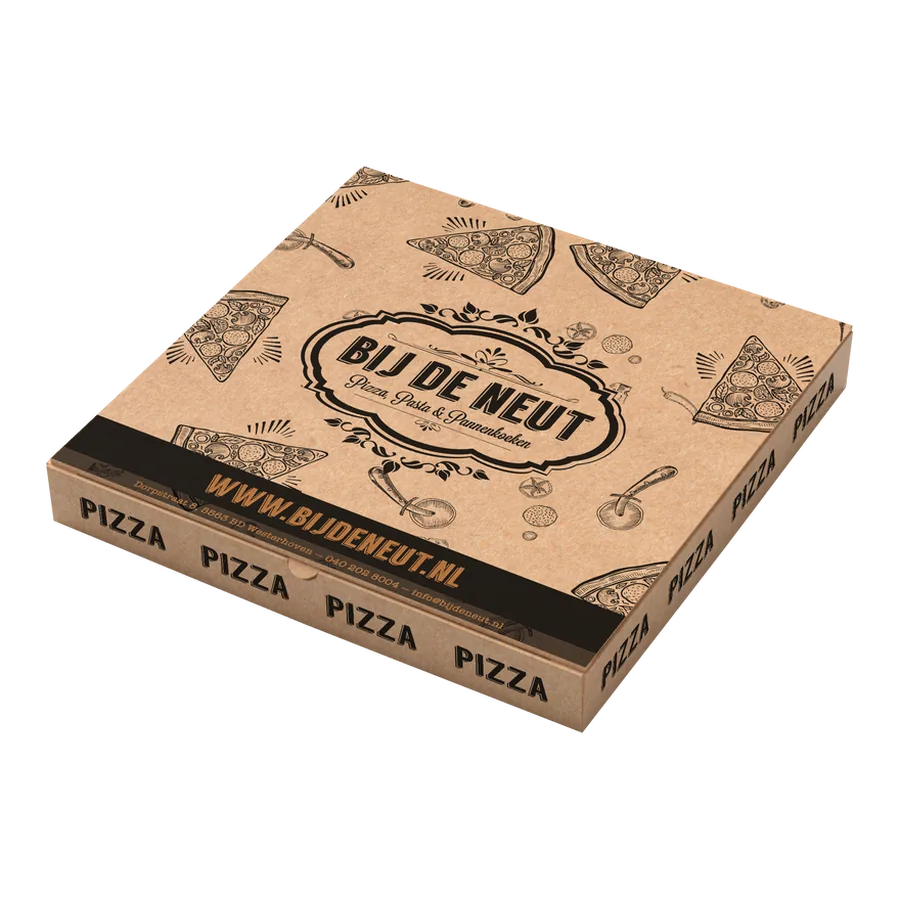
- Food packaging that extends your branding outside the restaurant
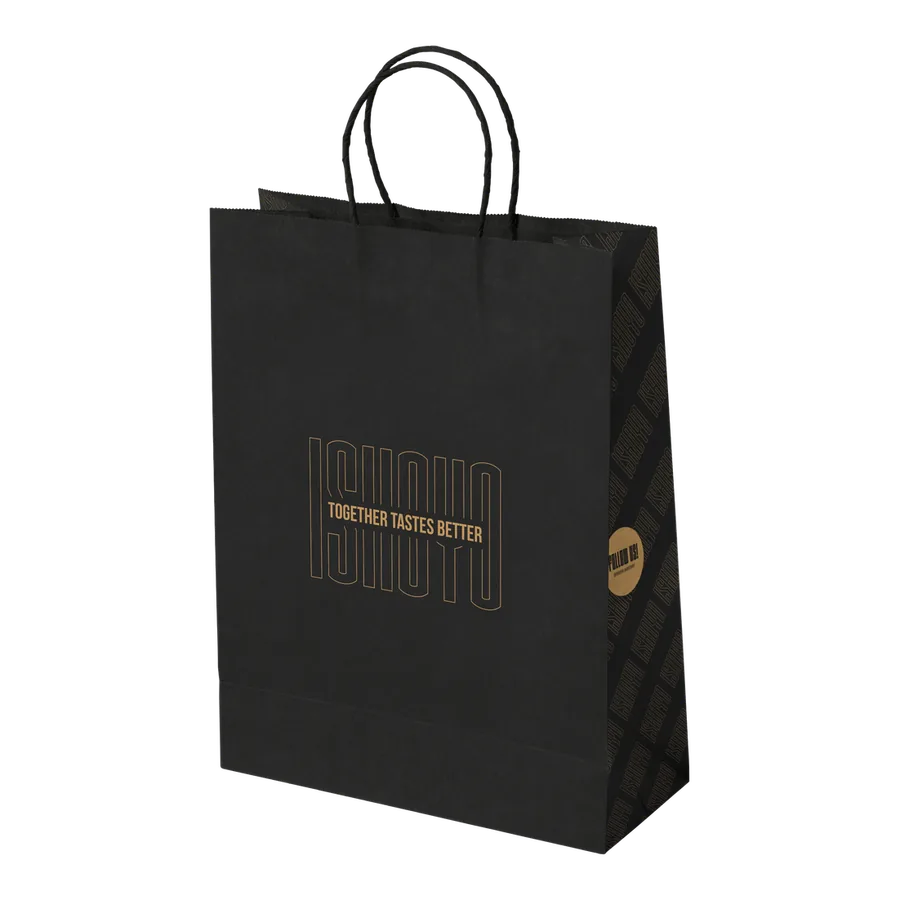
- custom-printed paper bags that create visibility on the street
- Coasters that support recognition at the table or bar
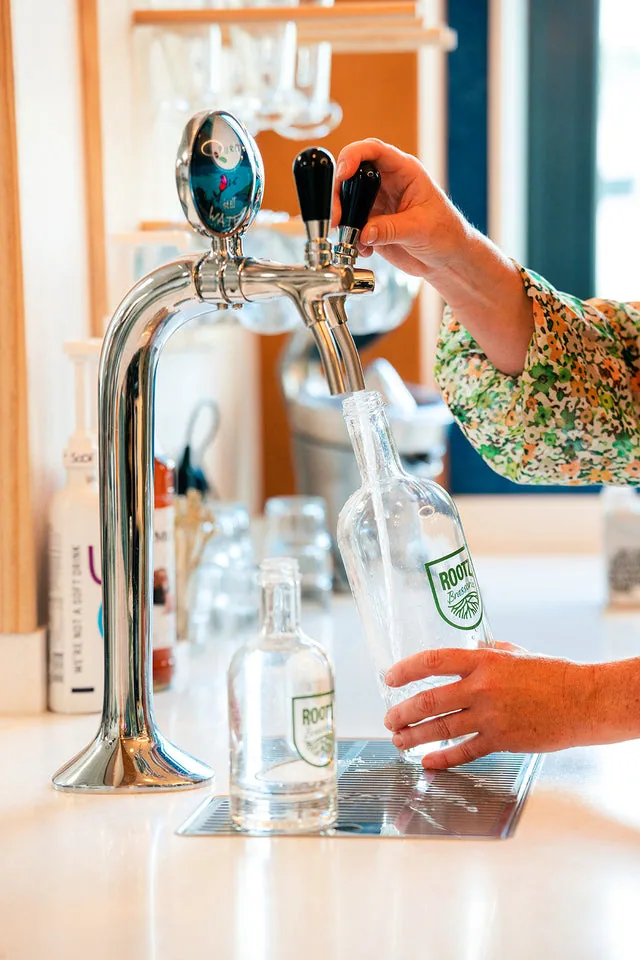
- Cutlery pouches, tableware, and glassware that help create a more complete brand experience
These are not separate from advertising. They are part of it. When used well, they increase recognition, support social sharing, and make even routine orders look more considered and professional.
Rather have it done for you?
Your Brand Ambassador can do everything for you, and our in-house designers make your files print-ready. Or see your brand on everything first, in Studio.
Practical advertising strategies for restaurants
Build one recognisable visual system
If your logo, colours, typography, and brand message change from one touchpoint to another, customers remember less. A stronger approach is to use one visual system across your menu presentation, takeaway materials, table setting, and packaging.
This is where design support can make a clear difference. Instead of treating each printed item as a standalone order, it helps to design them as part of one branded set. That way, every guest interaction supports the same identity.
Turn takeaway and delivery into brand exposure
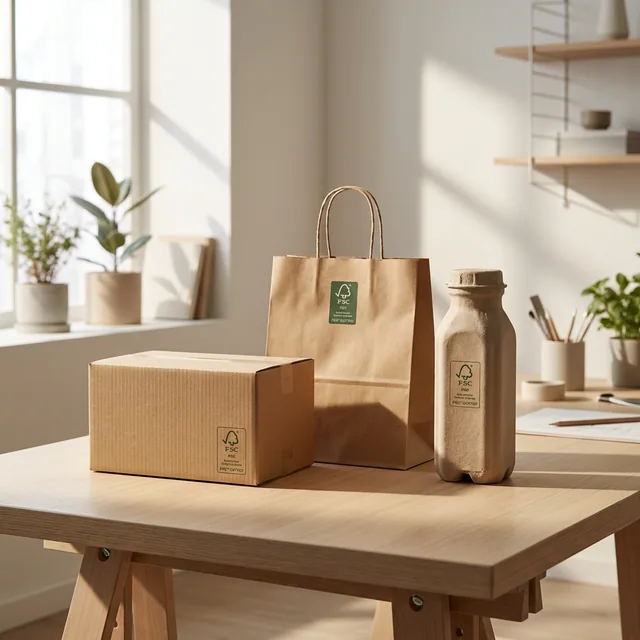
Takeaway packaging is one of the most underused restaurant advertising tools. It reaches customers at home, in offices, on the street, and often in front of other people. Branded cups, bags, custom food packaging, and greaseproof paper can help transform a functional order into a visible brand moment.
This matters even more for concepts with high takeaway volume. If the packaging looks generic, you lose repeated exposure. If it looks clear and recognisable, every order becomes a small brand campaign.
Use the in-restaurant experience as advertising
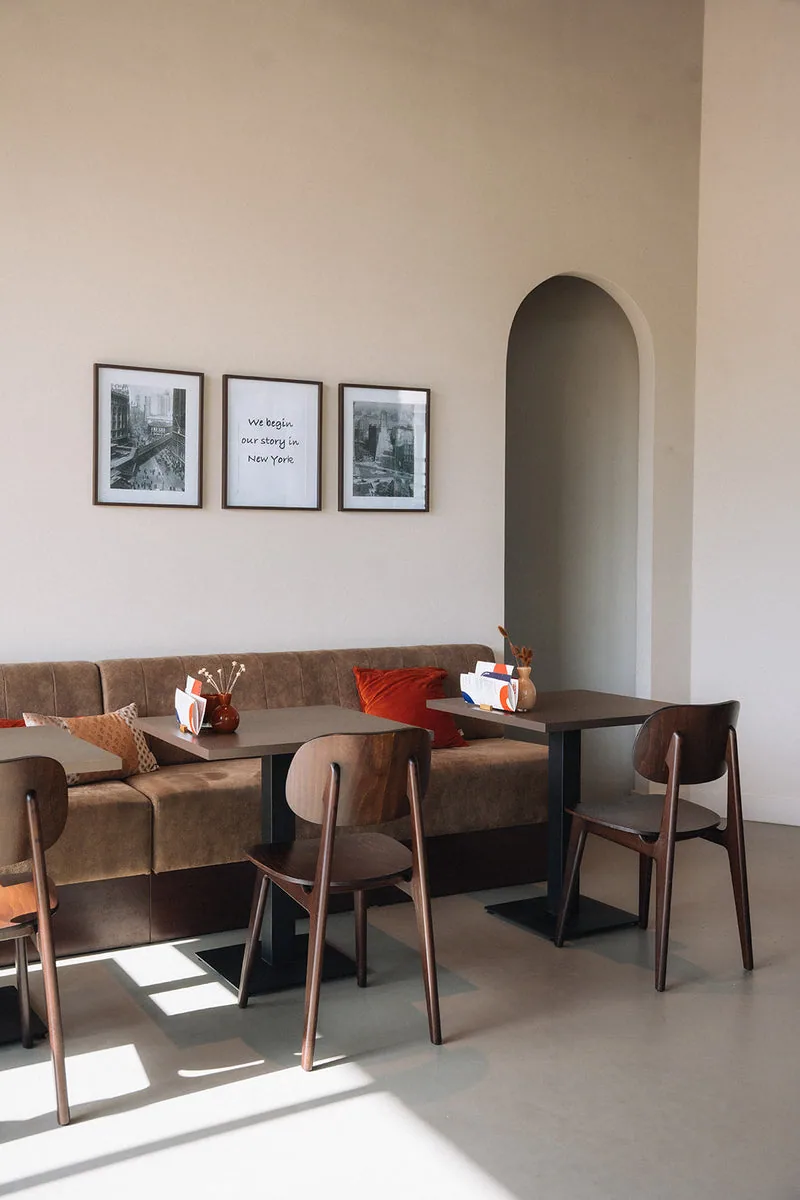
Advertising does not stop when a guest walks in. Table elements such as custom printed napkins, coasters, glassware, and tableware influence how polished and memorable the experience feels. These details can support premium perception, help guests connect the experience to your brand, and increase the chance they remember you later.
For hospitality brands with multiple locations, this consistency also matters operationally. Guests should feel they are visiting the same brand, not a slightly different version each time.
Keep campaigns simple and repeatable
Some of the best restaurant advertising campaigns are not complicated. They use a simple idea and repeat it consistently across visible formats. Seasonal designs, limited menu promotions, local events, or product launches can all work better when they are reflected across your printed materials as well as your wider promotion. For more inspiration that complements geo-targeted ads, see our local marketing ideas for restaurants.
The key is not to overload every item with information. A cleaner message usually performs better. One visual theme, one campaign idea, and one clear brand style are often enough. If creator collaborations are part of your plan, explore our guide to influencer marketing for restaurants.
How to choose the best advertising approach for your restaurant
The best way to advertise restaurants depends on your format, ordering behaviour, and how customers interact with your brand. Instead of trying everything at once, prioritise the channels and materials that match your business model. Before launching campaigns, take time to define your restaurant’s target audience so your targeting and messaging stay sharp.
| Restaurant type | Best advertising focus |
|---|---|
| Takeaway or delivery concept | Food packaging, cups, carrier bags, and other branded items that travel with the order |
| Cafe or lunch concept | Cups, napkins, table presentation, and small branded details customers see daily |
| Casual dining restaurant | Consistent in-house branding across tableware, coasters, napkins, and menu-related presentation |
| Multi-location hospitality brand | Scalable, consistent branded products supported by reliable production and distribution |
This is also where practical execution matters. If your business uses branded materials across locations or changing campaigns, it helps to have production, stock management, and distribution organised properly so your advertising stays consistent in day-to-day operations.
Why consistency matters more than isolated promotions
One-off promotions can bring attention, but they do not always build recognition. Restaurants grow more sustainably when the brand is repeatedly seen in a consistent way. That includes your packaging, dine-in materials, and other guest-facing products.
Consistency improves advertising in three ways:
- It increases recall - customers are more likely to remember your restaurant later
- It strengthens trust - a polished look signals professionalism
- It supports word of mouth - recognisable branding is easier to describe, share, and post
This is especially relevant for restaurants that want to look more established without making every campaign more complex. Often, the better move is not more advertising channels. It is better brand execution across the channels and materials you already use. For a broader view of channels and measurement, dive into digital marketing in the hospitality industry.
A simple framework for planning restaurant advertising
If you are reviewing your current approach, start with a short checklist:
- Define the message - what should customers remember about your restaurant?
- Map the touchpoints - where do customers physically and visually interact with your brand?
- Standardise the design - make sure your materials look connected
- Prioritise visibility - invest first in the items people see most often
- Support execution - keep ordering, stock, and distribution organised so branding stays consistent
This kind of structure is often more useful than chasing every new marketing idea. It helps restaurants create a practical promotion strategy for food business growth without losing focus.
FAQ
What is the best way to advertise restaurants?
The best approach usually combines clear brand positioning with consistent visibility across the customer journey. For many restaurants, that means using branded hospitality products, cups, napkins, carrier bags, and table materials alongside their broader marketing efforts so the brand is seen repeatedly in real use. To amplify these efforts with paid and organic tactics, see our social media strategy for restaurants.
What are the 4 P's of marketing for restaurants?
The 4 P's are product, price, place, and promotion. For restaurants, promotion works best when it aligns with the other three. A strong menu and concept are easier to promote when the brand presentation, packaging, and guest experience all support the same message.
What is the 30/30/30 rule for restaurants?
The phrase can be used in different ways depending on the source, so it is not one fixed restaurant advertising rule. In marketing discussions, it is often referenced as a planning shortcut rather than a universal standard. For practical decision-making, it is usually more useful to focus on hospitality marketing, customer touchpoints, and repeat visibility.
What are five practical ways to promote a food business?
Five strong options are building a recognisable visual identity, using branded takeaway packaging, improving in-store brand presentation, running simple repeatable campaigns, and keeping branded materials consistent across locations or order channels. These methods support both awareness and brand recall.