A restaurant social media content calendar helps you post with more consistency, less last-minute stress, and a clearer brand message. Instead of guessing what to share each day, you plan a balanced mix of content that supports awareness, trust, and bookings or orders. The goal is not to post more, but to post with purpose.
If you run a restaurant, cafe, bar, terrace, takeaway, or delivery concept, a good calendar keeps your social content aligned with what guests actually see and experience. That includes your dishes, atmosphere, team, and branded touchpoints across the full hospitality experience.
What a restaurant social media calendar should do
A useful social media calendar for restaurants is more than a posting schedule. It should help you decide what to post, why it matters, and when it makes sense to share it. For a clear foundation on goals, content pillars, and posting cadence, see social media strategy for restaurants.
- Keep your brand consistent so your feed feels recognisable
- Balance content types so you are not only promoting offers
- Support operations so your content matches menus, events, and seasonal moments
- Reduce stress so you are not creating everything on the same day
- Make content reusable so one photoshoot or campaign creates multiple posts
For most restaurants, the strongest content calendars are simple. They focus on repeatable themes, realistic posting frequency, and clear visual consistency.
The 5 core content pillars to include
You do not need dozens of categories in your restaurant social media content calendar. In most cases, five content pillars are enough to keep your feed varied and relevant. Before you map pillars, clarify your restaurant target audience so themes and timing align with your key guests.
Food and drinks
This is the most obvious pillar, but it works best when it goes beyond polished menu photos. Show signature dishes, seasonal specials, close-up textures, drinks being poured, limited-time items, or chef picks.
Atmosphere and experience
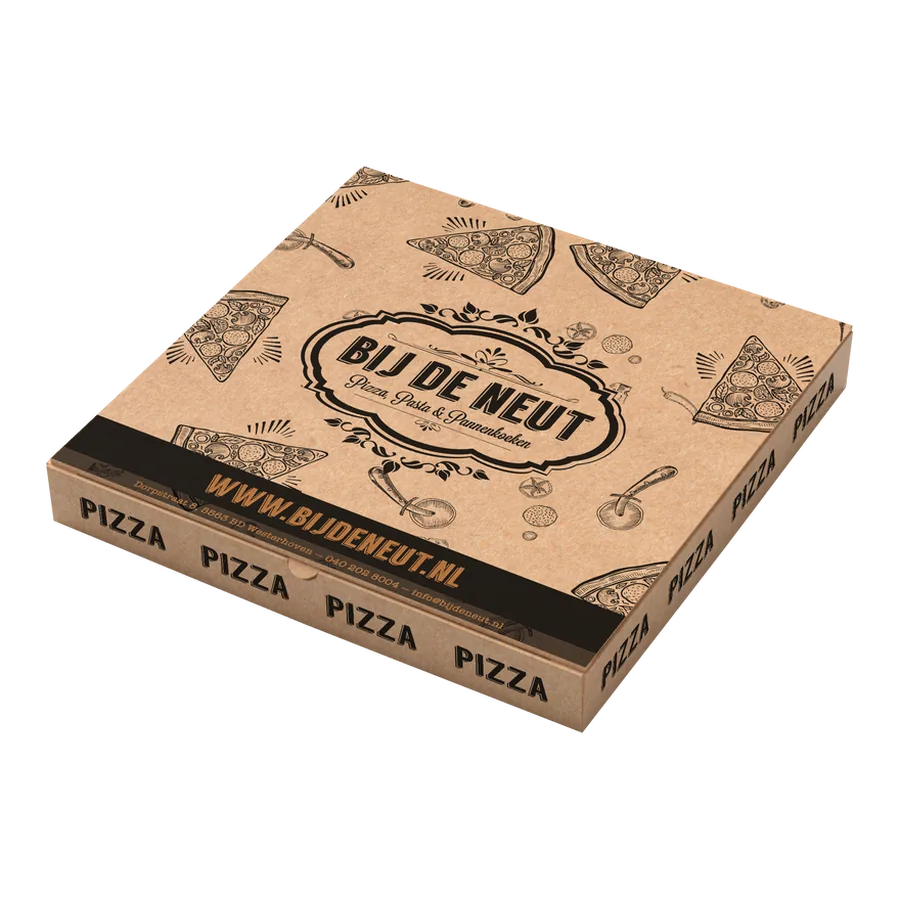
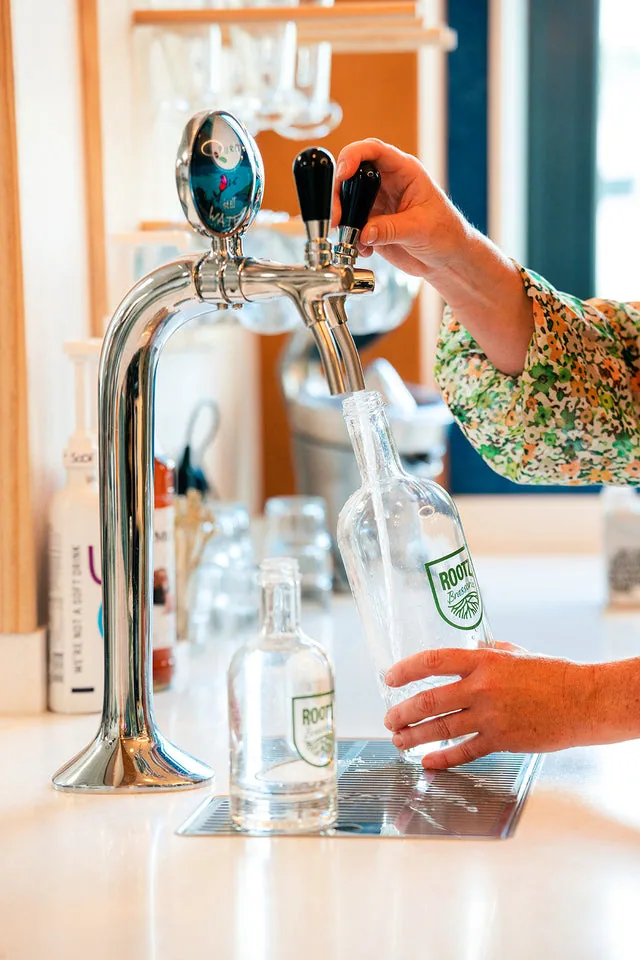
Guests often choose a place based on the feeling as much as the menu. Show the terrace, interior, lighting, table setup, packaging, glassware, or the energy of a busy service. This helps people picture the visit before they arrive.
People behind the brand
Introduce the team, kitchen moments, prep scenes, or the people packing takeaway orders. This makes the brand more human and gives your audience a reason to connect beyond the product.
Promotions and updates
Use this pillar for new menus, lunch deals, event nights, holiday opening hours, takeaway reminders, or reservation pushes. Keep this content clear and direct, but avoid letting it dominate your feed.
Brand moments
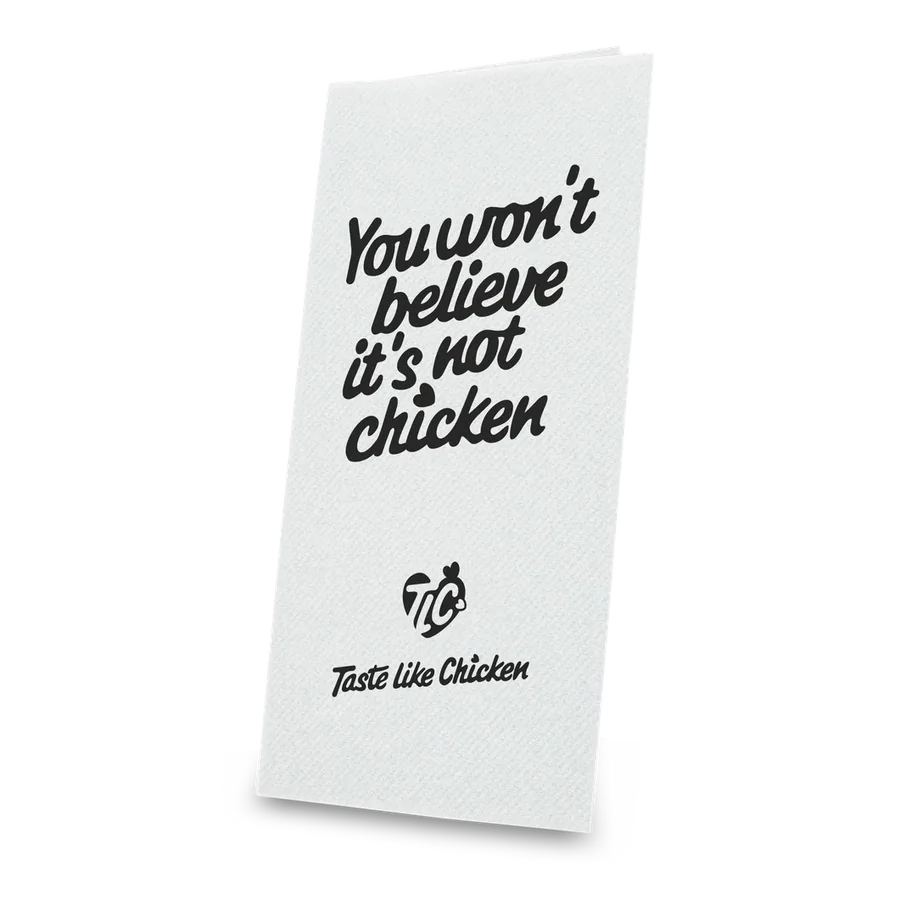
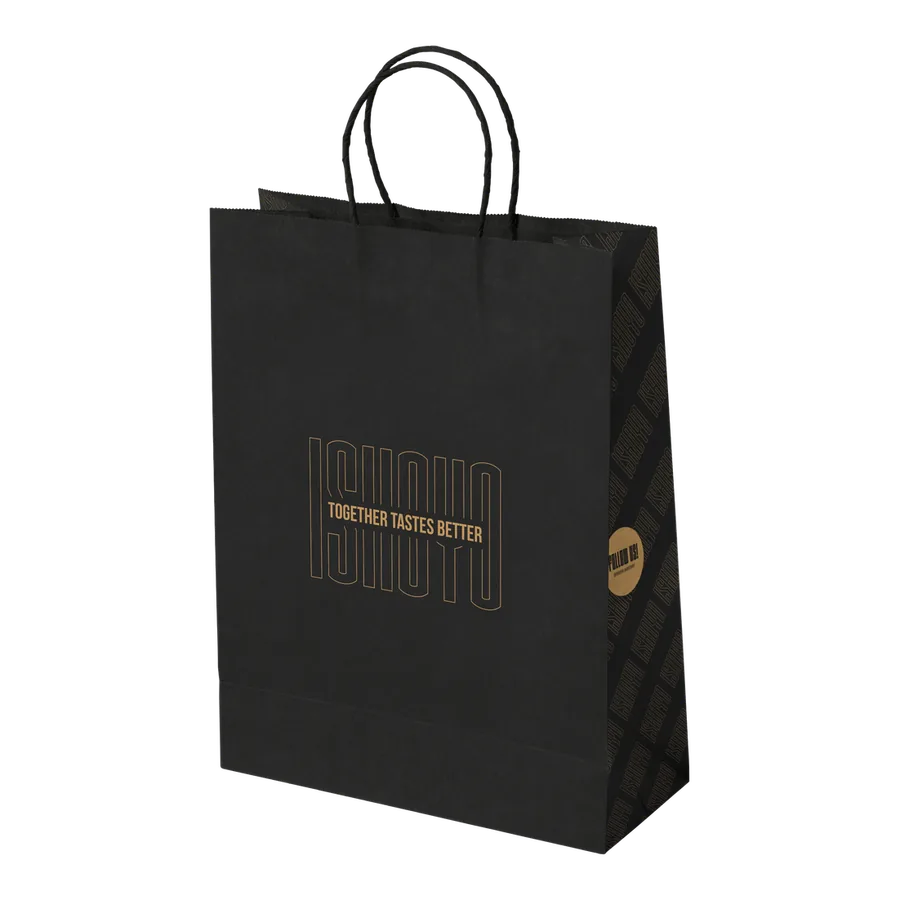
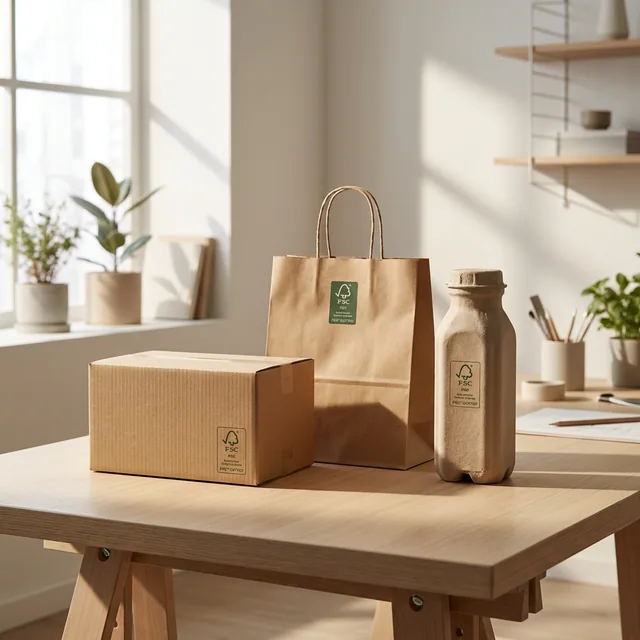
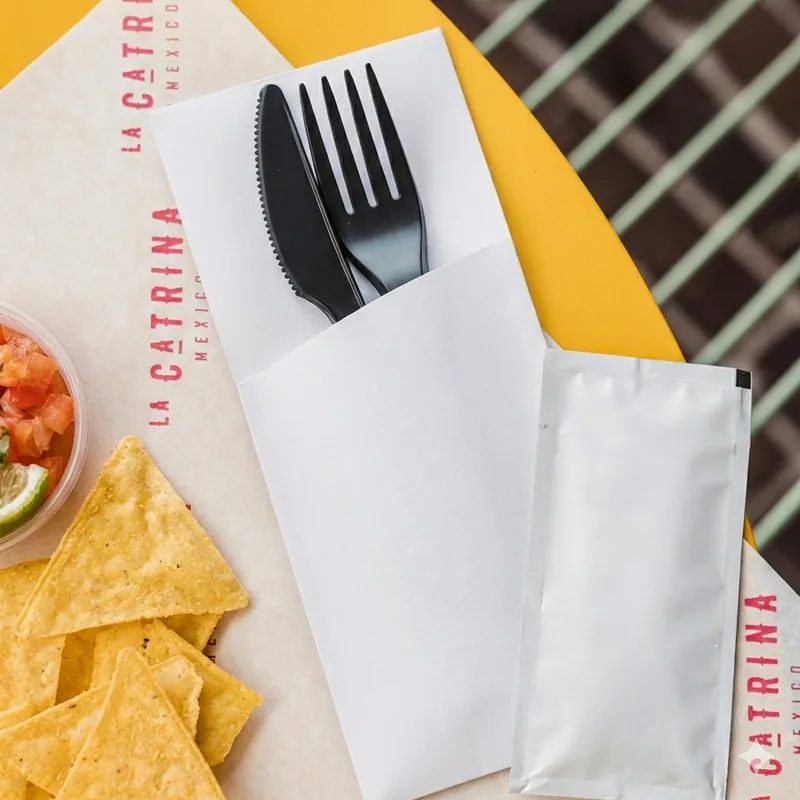
This is where your identity becomes visible. Think about recurring visuals, tone of voice, packaging, napkins, cups, greaseproof paper, cutlery pouches, or other branded details that guests notice in real life. These touches help social content feel connected to the actual restaurant experience.
Rather have it done for you?
Your Brand Ambassador can do everything for you, and our in-house designers make your files print-ready. Or see your brand on everything first, in Studio.
How often should restaurants post?
The best posting frequency is the one you can maintain without lowering quality. For many restaurants, three to five posts per week is enough if the content is varied and well planned. Stories can be more frequent because they are useful for daily updates, quick offers, and real-time atmosphere.
A practical starting point:
- Feed posts
3 times per week - focused on your content pillars, mixed across food, atmosphere, people, promotions.
- Stories
3 to 7 times per week - real-time snapshots, opening hours updates, quick reservations pushes.
- Reels or short video
1 to 2 times per week - dish prep, behind-the-scenes, atmosphere, or team introductions.
If your team is small, do not build a calendar that depends on daily custom content. A consistent, manageable rhythm usually performs better than an ambitious plan that stops after two weeks. To choose the right channels and formats for your plan, explore digital marketing in the hospitality industry.
A simple monthly restaurant social media calendar template
Use a repeatable structure so planning takes less time each month. This example keeps the mix balanced while leaving room for specials and local moments.
| WEEK | POST 1 | POST 2 | POST 3 | STORY FOCUS |
|---|---|---|---|---|
| Week 1 | Signature dish or drink | Atmosphere or interior | Team or kitchen moment | Behind the scenes |
| Week 2 | Seasonal special | Promotion or event | Guest experience detail | Reservations or opening hours |
| Week 3 | Short-form video of preparation | Brand detail or packaging | Best-selling menu item | Daily service snapshots |
| Week 4 | Limited-time offer | Team feature | Best-selling menu item | Last-minute updates |
You can adapt this social media calendar for restaurants to suit your concept. A fine dining restaurant may lean more on atmosphere and detail. A takeaway concept may focus more on speed, packaging, and popular items. A cafe may rely more on repeatable daily rituals and community moments. For ready-to-use ideas tied to local events and promotions, use local marketing ideas for restaurants.
How to plan content that matches real restaurant operations
The most useful restaurant social media calendar is built around what is actually happening in the business. Start with operational moments first, then build content around them.
- Menu changes - new dishes, seasonal launches, chef specials
- Events - live music, themed nights, private bookings
- Peak periods - weekend service, terrace season, holidays
- Sales priorities - lunch traffic, takeaway, delivery, reservations
- Brand updates - new visuals, packaging, printed materials, table presentation
When your calendar reflects the real guest journey, the content feels natural. It also becomes easier for staff to contribute photos, short videos, and ideas because they can see the connection to daily service. For seasonal planning and timing, draw inspiration from holiday branding and marketing strategies.
What to prepare in advance each month
Planning works best when you separate strategy from creation. Instead of making every post from scratch, prepare a small content set that can be reused across the month.
MONTHLY CHECKLIST
- A list of monthly priorities - what you want to promote or highlight
- One short shoot - dishes, drinks, team, interior, and details
- Caption prompts - key points for each planned post
- Visual templates - to keep layouts and stories consistent
- A simple approval process - so posts do not get delayed
This is where templates become especially useful. If your brand already has workable social media templates, it becomes much easier to keep your calendar moving while staying visually consistent.
Common mistakes in a social media content calendar for restaurants
- Posting only promotions - audiences need variety, not constant selling
- Ignoring the in-person brand experience - your feed should reflect what guests actually see
- Planning too much custom content - an unrealistic calendar usually fails quickly
- Using inconsistent visuals - this weakens brand recognition
- Forgetting seasonal timing - content often works because of when it is posted, not just what it says
A strong calendar should feel achievable. If it takes too much time to maintain, simplify the format before adding more ideas.
Why brand consistency matters in restaurant social content
Restaurants compete visually. Guests often notice your brand before they read your caption. That is why consistency in colours, layout, photography style, and brand details matters across your social channels.
For hospitality brands that need structure, social media inspiration and workable templates can make planning easier. They help turn a restaurant social media calendar template into something the team can actually use month after month. A broader brand strategy to branding guide can also help connect content planning to the overall guest experience.
FAQ
What is a restaurant social media content calendar?
It is a planning tool that maps out what a restaurant will post on social media over a set period, usually a week or month. It helps organise post ideas, timing, campaigns, visuals, and priorities.
How far ahead should restaurants plan social media content?
One month ahead is a practical starting point for most restaurants. It gives enough structure for planning while still leaving room for daily updates, last-minute offers, and real-time stories.
What should be included in a restaurant social media calendar template?
A useful template should include posting dates, content themes, format, caption notes, visual direction, and any operational context such as menu launches, events, or promotions.
How do restaurants keep social media content consistent?
Consistency usually comes from using fixed content pillars, a realistic posting rhythm, and reusable design templates. It also helps when social content reflects the same brand identity guests see in the restaurant itself.
Should every restaurant use the same content calendar?
No. A social media calendar for restaurants should match the concept, service style, and business goals. A takeaway-focused brand, for example, will usually need a different content mix than a destination dining venue.