Restaurant community marketing is the practice of building local awareness and loyalty by becoming a visible, useful part of the neighborhood around your business. For restaurants, that usually means creating repeated contact with nearby residents, workers, schools, clubs, and local organizations rather than relying only on one-off promotions. When done well, it helps turn a restaurant from a place people know into a place people feel connected to. For restaurant groups and multi-site operators the question is how to run local marketing at every site without losing the brand: one shared identity, with room for each neighbourhood to make it its own.
Why community marketing matters for restaurants
Restaurants compete in a local market first. Even if your food is excellent, people need a reason to remember you, recommend you, and choose you again. Community marketing supports that by increasing familiarity and trust in ways that standard advertising often cannot.
It is especially useful for restaurants that want to grow repeat visits, strengthen word of mouth, and create a more recognizable local presence. Instead of chasing attention everywhere, the focus stays on the people most likely to visit regularly.
What restaurant community marketing looks like in practice
Community marketing is not a single campaign. It is a series of local actions that make your restaurant more present in daily community life. The strongest examples are simple, repeatable, and clearly connected to your brand.
- Local partnerships - working with nearby shops, offices, gyms, schools, or event organizers
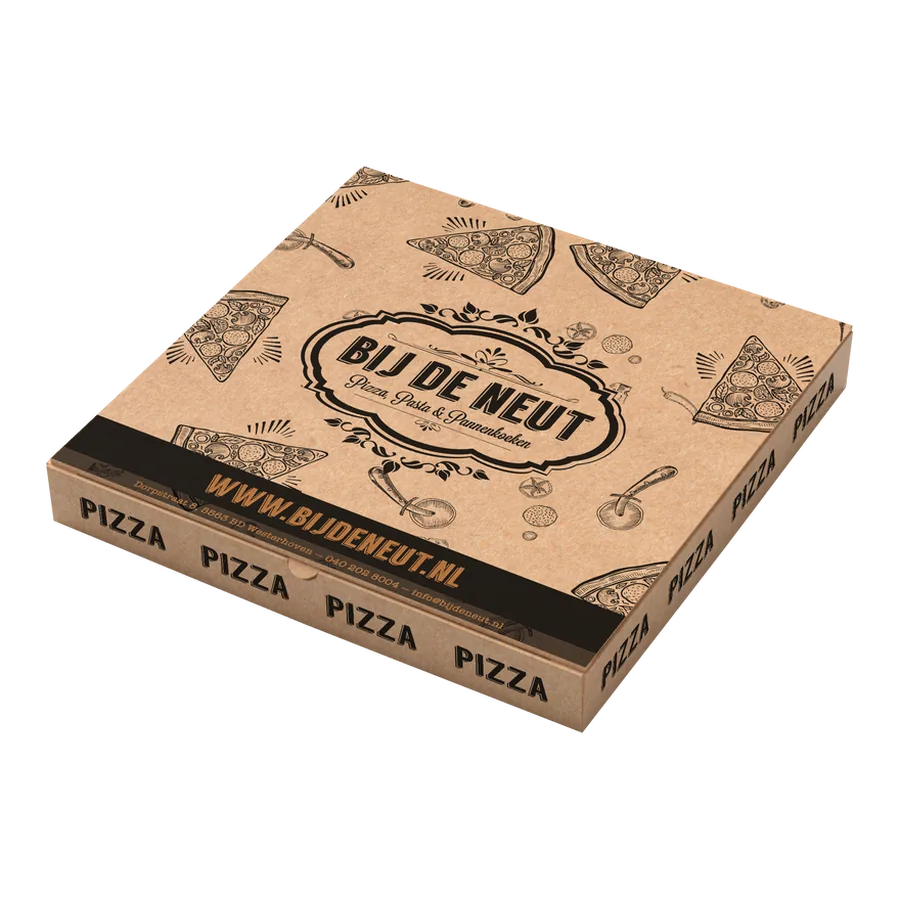
- Neighborhood visibility - making your brand easy to recognize in-store, on takeaway materials, and at local touchpoints
- Community events - participating in markets, seasonal events, fundraisers, or tastings
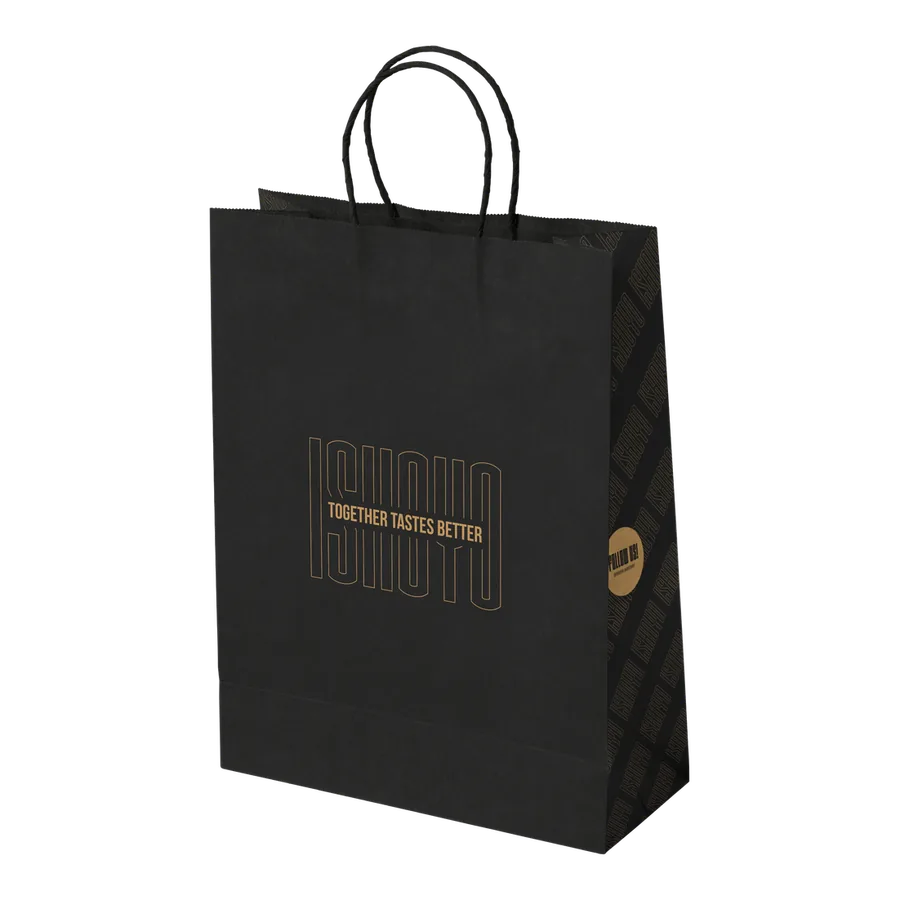
- Consistent branded materials - using menus, packaging, napkins, cups, and apparel that support recognition
- Repeat local contact - staying visible often enough that people remember your restaurant when deciding where to eat
Rather have it done for you?
Your Brand Ambassador can do everything for you, and our in-house designers make your files print-ready. Or see your brand on everything first, in Studio.
How to build a restaurant community marketing strategy
A useful strategy starts small. The goal is not to do everything at once, but to choose a few local actions that fit your restaurant, your audience, and your day-to-day operations.
Start with your immediate local audience
Identify the groups around you who can realistically become repeat guests. That may include nearby residents, office workers, students, families, or visitors to a specific shopping area. Community marketing works best when the audience is close enough to return regularly.
Choose a few relevant community connections
Focus on partnerships or activities that make sense for your concept. A lunch-focused restaurant may connect with local offices, while a family-friendly venue may benefit more from schools, sports clubs, or neighborhood events. Relevance matters more than volume.
Make your branding consistent across touchpoints
Local marketing is easier to remember when your restaurant looks and feels consistent everywhere people encounter it. Menus, takeaway packaging, cups, napkins, apparel, and other printed materials can help reinforce your identity every time someone visits, orders, or shares your brand with others.
For hospitality brands, this is often where practical branding support becomes valuable. A clear brand kit and consistent printed materials help community activity feel more professional and recognizable instead of fragmented.
Create repeatable local moments
One sponsored event may bring short attention, but repeated presence builds familiarity. Think in terms of monthly collaborations, recurring lunch offers for nearby teams, seasonal neighborhood participation, or regular branded visibility in takeaway and terrace settings.
Measure local response
You do not need a complex system to see what is working. Watch for signs such as repeat visits, referral mentions, event redemptions, local social tags, and direct feedback from guests. The aim is to learn which community actions create real local traction.
Effective community marketing ideas for restaurants
The most effective ideas are usually practical and easy to repeat. These examples keep the focus on building local connection, not just short-term reach. For more local marketing ideas for restaurants, it helps to combine community-building with repeatable promotional activity.
- Partner with nearby businesses for cross-promotion, lunch collaborations, or event support
- Join neighborhood events with a clear, branded presence people can recognize later
- Support local groups such as sports teams, schools, or community initiatives where your restaurant target audience is already active
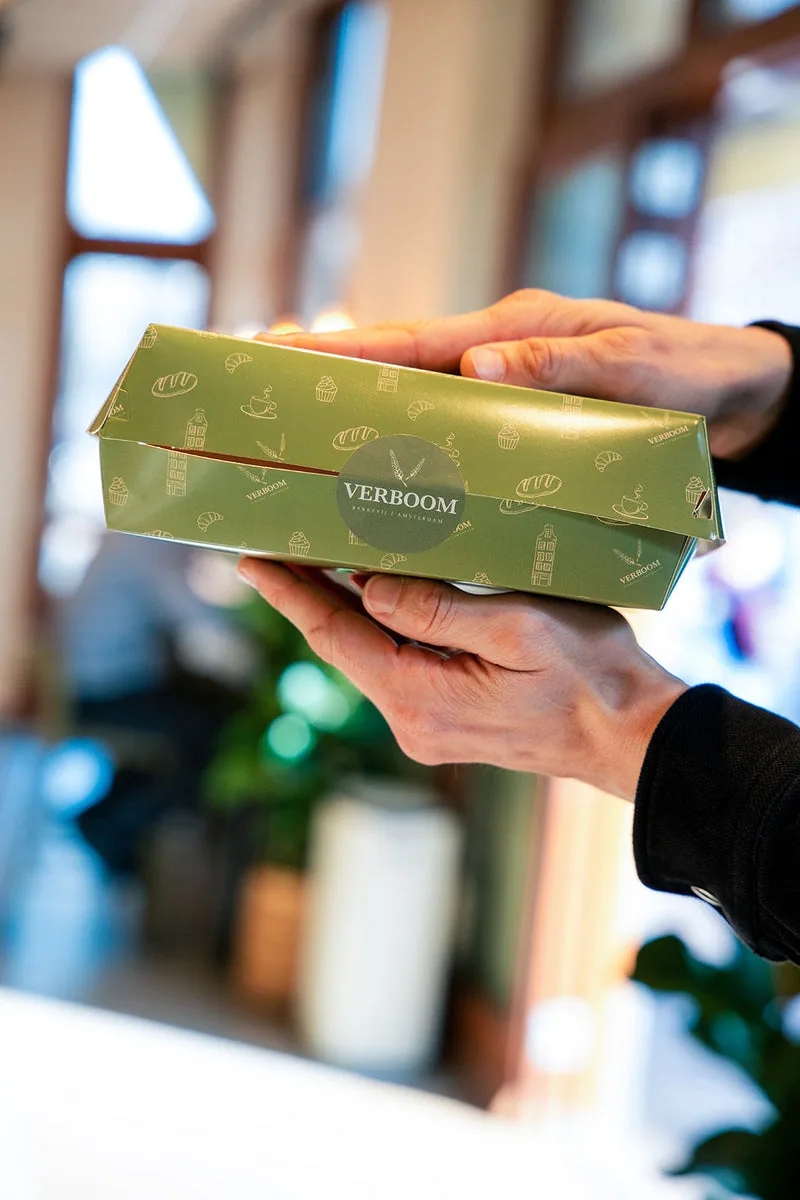
- Use takeaway and delivery packaging well so every order also acts as a local brand reminder
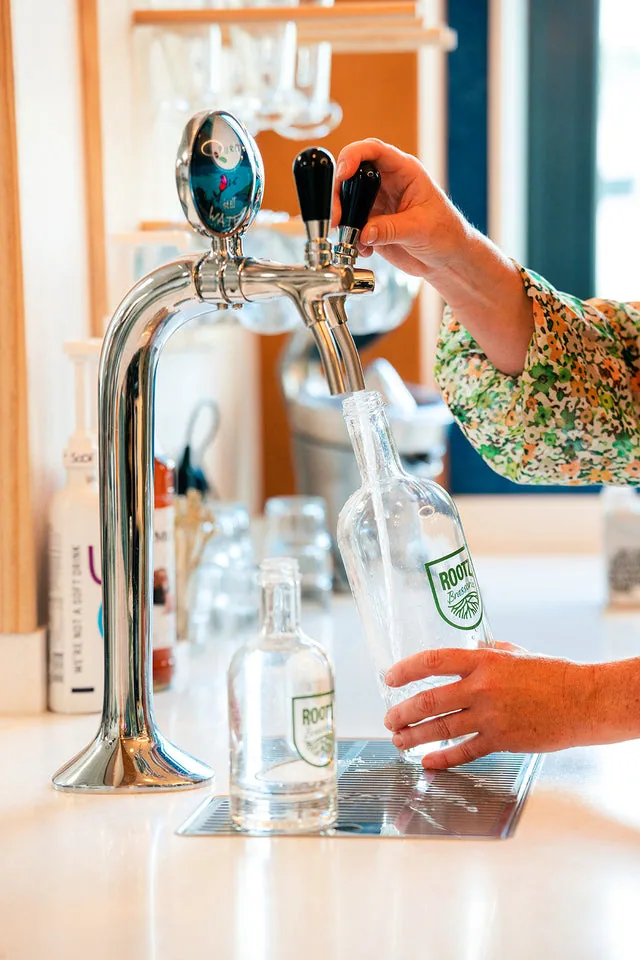
- Refresh in-store and terrace materials to create a stronger branded experience for walk-in guests
- Keep menus and printed items aligned so your restaurant feels consistent across dine-in, takeaway, and delivery
Where branding supports community marketing
Community marketing depends on recognition. If people see your restaurant at an event, receive an order at home, or visit your terrace, those moments should feel connected. That is where branding and operations meet.
For restaurants and cafés, practical items such as menus, food packaging, napkins, cups, paper bags, and hospitality clothing can help carry the brand into everyday local interactions. When these materials are consistent, they support memory and repeat recognition without requiring a separate campaign each time.
For businesses looking to organize branded assets more efficiently, structured brand setup and one central portal for materials can also make it easier to keep local execution consistent across locations or channels.
Common mistakes in restaurant community marketing
- Trying too many ideas at once - this often leads to weak execution and little follow-up
- Choosing partnerships with no local fit - visibility is less valuable if it does not reach likely guests
- Inconsistent branding - if your materials and presence change constantly, recognition drops
- Focusing only on discounts - price can attract attention, but it does not always build loyalty
- Not repeating what works - community trust grows through consistency, not one-time activity
How to know if your approach is working
A good restaurant community marketing effort should make your business more familiar, more visible, and easier to remember within your area. Useful signals include more direct walk-ins, stronger repeat business, more local recommendations, and better response to partnerships or events.
If people begin to recognize your packaging, mention seeing your restaurant locally, or connect your brand with neighborhood activity, your efforts are likely building the right kind of awareness. A strong social media strategy for restaurants can also help reinforce those local signals between visits.
FAQ
What does community marketing do for a restaurant?
It helps a restaurant build local visibility, trust, and repeat business by creating stronger connections with people and organizations nearby. Instead of only attracting one-time attention, it supports lasting local recognition.
Is community marketing the same as restaurant advertising?
No. Advertising usually focuses on paid promotion, while community marketing focuses on local relationships, repeated visibility, and neighborhood presence. The two can work together, but they are not the same approach. Broader restaurant advertising strategies can support community efforts when used selectively.
Can small restaurants use community marketing effectively?
Yes. Small restaurants are often well placed for community marketing because they can build genuine local relationships and stay closely connected to nearby customers. A few well-chosen activities can be more effective than a broad campaign, and influencer marketing for restaurants can also help through trusted local creators.
Which restaurant touchpoints are most useful for local brand recognition?
The most useful touchpoints are the ones people see repeatedly, such as menus, takeaway packaging, cups, napkins, bags, apparel, and in-store or terrace materials. These everyday items help reinforce your brand in a practical way. To keep communication consistent, a restaurant social media content calendar can support the same visibility across digital channels.