A strong restaurant review strategy helps you do more than collect stars. It gives you a repeatable way to learn what guests notice, fix what hurts the experience, and encourage more people to share honest feedback. When done well, reviews become a useful operating signal as well as a reputation asset. Whether you want more Google reviews, better ratings on review sites or a simple routine for responding, the steps below work for one restaurant and for a group with several sites.
For restaurants, review performance is closely linked to the full brand experience. Guests do not separate food, service, atmosphere, packaging, and presentation into different boxes. They experience them as one brand, and that full experience often shapes what they write online.
What a restaurant review strategy should actually do
A useful strategy is not just about asking for more reviews. It should help your team do four things consistently:
- Generate feedback from real guests at the right moment
- Monitor sentiment across review platforms and direct comments
- Respond professionally to both positive and negative reviews
- Turn patterns into action so recurring issues are addressed
If one of these parts is missing, the strategy usually becomes reactive. You may answer reviews now and then, but you will miss the larger patterns that affect repeat visits and word of mouth.
The core parts of an effective restaurant review strategy
Make it easy for guests to leave a review
Most happy guests do not leave a review unless the path is simple. Remove friction wherever possible. The easier it is to act in the moment, the more likely feedback will be captured.
Useful tactics include:
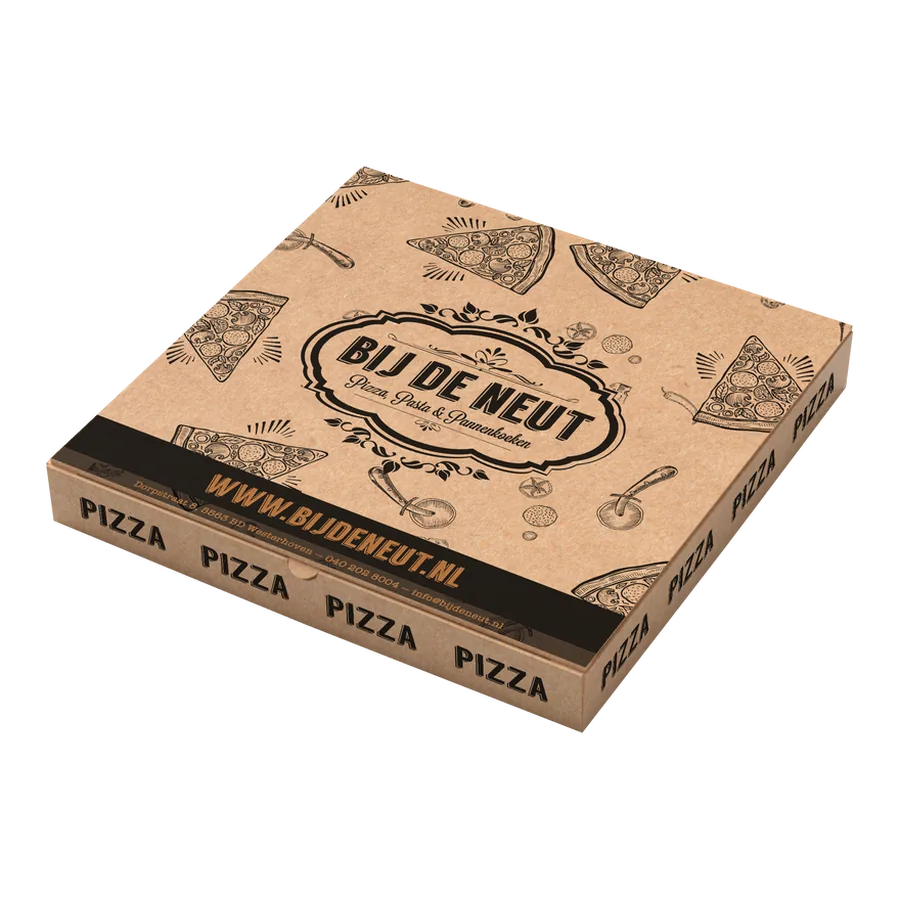
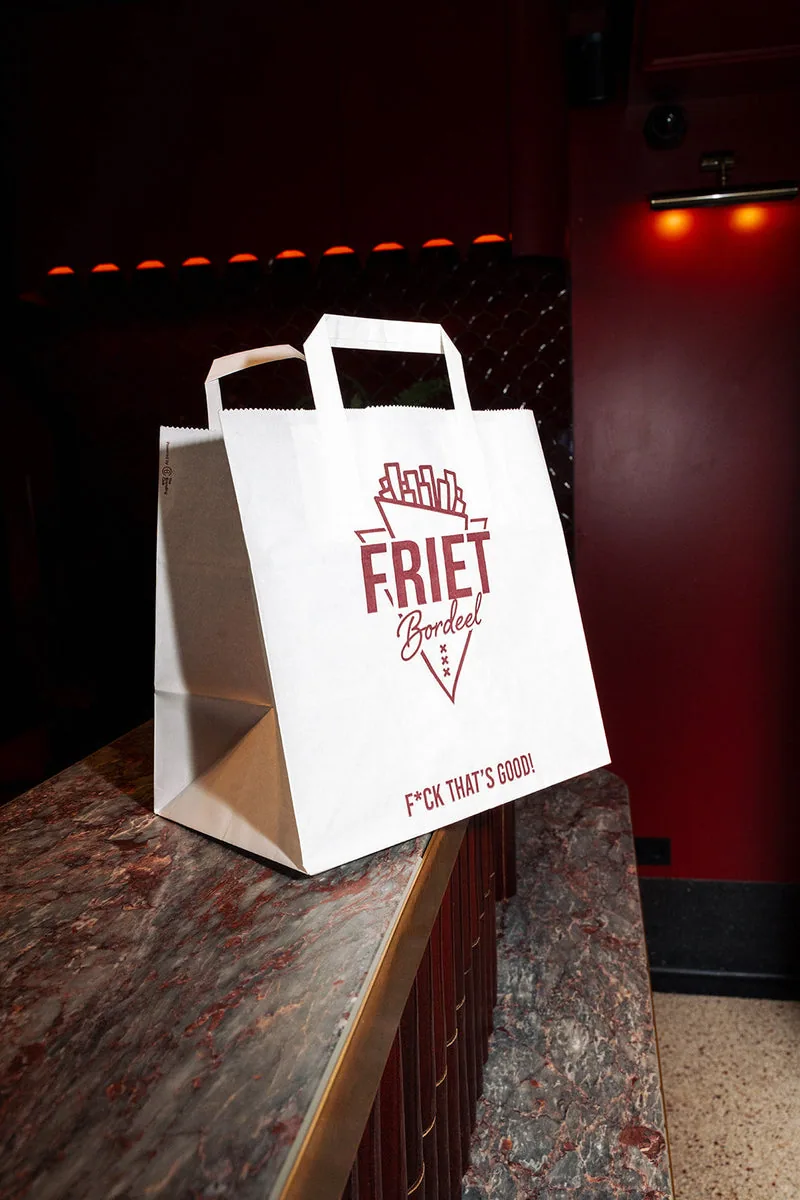
- Clear prompts on receipts, table cards, takeaway packaging, or follow-up messages
- Consistent placement so guests know where to find the review request
- Simple wording that asks for honest feedback instead of forcing enthusiasm
The key is timing. Ask after the guest has actually experienced the meal, service, and atmosphere, not too early and not long after the visit when the moment is gone.
To strengthen local discovery and encourage authentic reviews, see Local marketing ideas for restaurants.
Focus on the guest experience behind the review
Reviews are the output. The real driver is the experience itself. If the basics are inconsistent, no review request system will solve the problem for long.
Look at the touchpoints guests are most likely to mention:
- Arrival and greeting
- Speed and friendliness of service
- Food quality and consistency
- Cleanliness and atmosphere
- Clarity of menus, signage, or ordering flow
- Presentation for dine-in, takeaway, or delivery
This is where brand execution matters. A restaurant with a clear and consistent visual identity often creates a more memorable experience, and memorable experiences are more likely to be reviewed. Small branded touchpoints such as menus, napkins, packaging, or staff presentation can reinforce quality when they are aligned with the concept.
For practical ways to improve guest experience and loyalty, leading to more positive reviews, explore Restaurant customer loyalty.
Monitor reviews in one routine
Reviews lose value when they are checked only during problems. Build a simple rhythm instead. That rhythm can be daily for busy locations or several times a week for smaller operations.
Track:
- Average rating trend
- Review volume
- Common positive themes
- Common complaints
- Location-specific issues if you have more than one venue
Do not just count negative reviews. Also pay attention to repeated praise. Positive patterns tell you what guests value most, which can guide training, positioning, and service priorities for your audience.
Respond in a way that protects the brand
Responses should feel human, calm, and specific. The goal is not to win an argument. The goal is to show that the restaurant listens and takes guest experience seriously.
For positive reviews:
- Thank the guest
- Reference something specific when possible
- Keep the tone warm and concise
For negative reviews:
- Acknowledge the concern
- Avoid defensiveness
- Offer a brief next step if follow-up is appropriate
- Stay professional even if the review feels unfair
A poor response can damage trust more than the review itself. Future guests often judge the business by how it handles criticism.
To plan consistent replies and highlight testimonials across your channels, use a Restaurant social media content calendar.
Turn review themes into operational improvements
The strongest restaurant review strategy closes the loop. If guests repeatedly mention slow service, confusing menus, cold delivery, or inconsistent presentation, the feedback should lead to a fix.
A simple process works well:
- Group reviews by theme
- Identify recurring issues
- Assign an owner for each issue
- Make one practical change
- Review results after a set period
This prevents reviews from becoming background noise. Instead, they become a regular source of improvement.
Rather have it done for you?
Your Brand Ambassador can do everything for you, and our in-house designers make your files print-ready. Or see your brand on everything first, in Studio.
How to get more restaurant reviews without sounding forced
Many restaurants make the mistake of asking too aggressively or too vaguely. The best requests are short, natural, and connected to the visit.
Good principles:
- Ask politely, not repeatedly
- Use staff prompts carefully so they feel genuine
- Match the channel to the guest journey, such as on-site, takeaway, or post-visit follow-up
- Ask for honest feedback rather than only positive reviews
This keeps the process credible and avoids a transactional tone.
For post-visit email templates and automations that politely request reviews, see Hospitality email marketing.
What to measure in your review strategy
If you want to improve results over time, track more than your average score. A single rating does not tell the full story.
| Metric | Why it matters |
|---|---|
| Review volume | Shows whether guests are actually responding to your requests |
| Average rating | Gives a top-level view of reputation trends |
| Response rate | Shows how consistently your team is engaging with feedback |
| Response time | Helps you see whether issues are addressed quickly |
| Recurring themes | Reveals what is helping or hurting the guest experience |
| Location or channel differences | Helps identify whether dine-in, takeaway, or delivery needs attention |
Keep the system simple enough that your team will actually maintain it.
For a deeper KPI framework that connects reviews to outcomes, read Restaurant marketing metrics.
Common mistakes that weaken restaurant reviews
- Only reacting to negative reviews
- Using copy-paste responses that feel generic
- Ignoring repeated feedback themes
- Making it hard for guests to leave a review
- Separating reviews from brand experience
- Failing to train staff on service moments that drive feedback
Most review problems are not platform problems. They are consistency problems. Better processes, clearer guest touchpoints, and stronger follow-through usually have a bigger long-term impact.
How brand consistency supports better reviews
Guests often mention details that signal care: a clear menu, thoughtful packaging, a clean visual style, or a polished in-store experience. These elements do not replace food and service, but they shape how the restaurant is remembered.
That is why review strategy should not sit in isolation. It works best when it is connected to the broader brand experience across menus, takeaway materials, table presentation, and other guest-facing touchpoints. When the experience feels consistent, guests are more likely to describe the restaurant in a clear and positive way.
Build a simple review strategy your team can actually use
You do not need a complicated system to improve restaurant reviews. Start with a basic routine: ask more consistently, monitor feedback in one place, respond professionally, and act on patterns. Over time, that approach improves both reputation and operations.
For restaurants, the best review strategy is practical. It should fit daily service, reflect the brand experience guests actually receive, and help the team make better decisions week after week. It also works well alongside a broader social media strategy for restaurants and other local marketing ideas for restaurants.
FAQ
How to do a good restaurant review?
A good restaurant review is specific, balanced, and based on the full guest experience. It usually covers food, service, atmosphere, and any standout positives or problems. For restaurant owners, the value of a good review is that it gives clear signals you can learn from instead of vague praise or criticism.
What is the best way for a restaurant to get more reviews?
The best approach is to make the request easy and timely. Ask real guests shortly after their experience, use clear prompts, and remove unnecessary steps. Pair that with a consistently good experience, because satisfied guests are more likely to respond.
Should restaurants respond to every review?
In most cases, yes. Responding to both positive and negative reviews shows attentiveness and professionalism. The response does not need to be long, but it should feel personal and relevant to what the guest shared.
How often should a restaurant check online reviews?
That depends on review volume, but a regular routine is essential. Busy restaurants may need daily checks, while smaller venues may be fine with several reviews sessions per week. The important part is consistency, so issues and trends are not missed.