Restaurant customer loyalty is built when guests choose your restaurant again and again, not just because the food is good, but because the full experience feels consistent, memorable, and worth returning to. For most restaurants, loyalty grows from many small moments that work together: clear menus, strong packaging, recognizable branding, smooth service, and a guest experience people remember. If you want more repeat visits, it helps to look beyond discounts alone and focus on what makes your brand easy to recognize and trust. Loyalty schemes and stamp cards help, but regulars mostly return because they recognise your brand and trust what they will get: that is what turns a first visit into repeat custom.
What restaurant customer loyalty really means
Customer loyalty in the restaurant industry is the habit of returning to the same brand over time. That return can happen in person, through takeaway, or via delivery, but the reason is usually the same: the guest knows what to expect and feels good about choosing you.
Loyalty is not only about points, rewards, or a restaurant customer loyalty program. Those can help, but they are only one part of the picture. A loyal guest often comes back because your restaurant delivers a reliable brand experience from start to finish.
- Recognition - guests instantly know your brand
- Consistency - menus, packaging, and service feel aligned
- Trust - people believe they will get the same quality each visit
- Connection - the brand feels memorable, not generic
How to increase customer loyalty in restaurants
If you want to improve loyalty for restaurants, start with the basics that influence repeat behavior. Guests usually return because the experience feels easy, familiar, and dependable.
Make the brand experience consistent
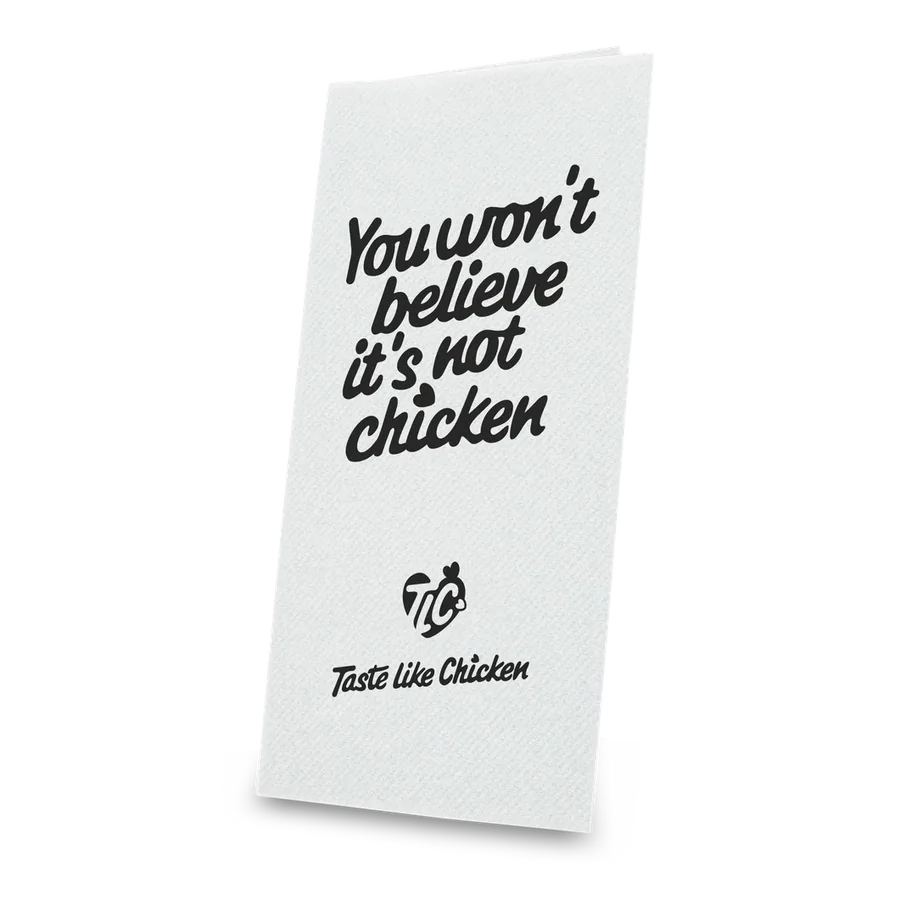
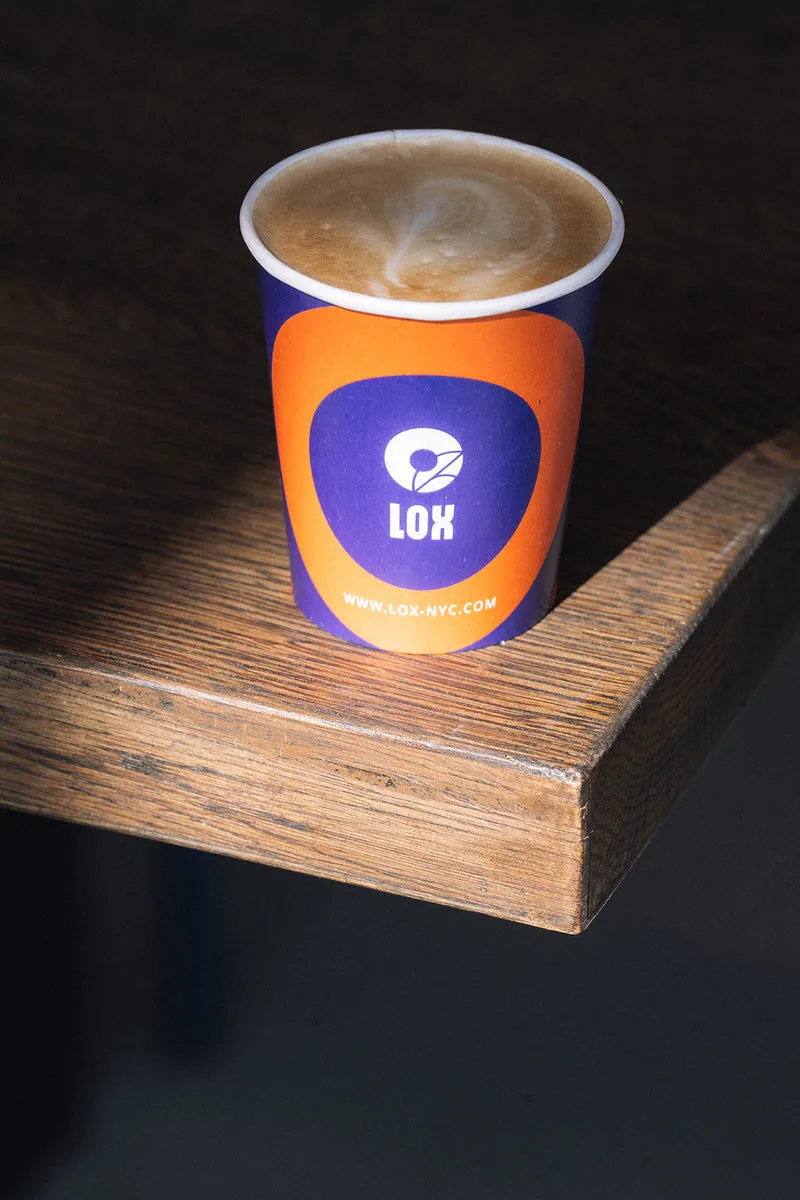
Customers notice when your menu, takeaway packaging, napkins, and in-store presentation all feel like they belong to the same brand. That consistency reduces friction and makes your restaurant easier to remember. When each touchpoint looks and feels aligned, the guest experience becomes stronger without needing extra explanation.
Remove small points of confusion
Loyalty is often lost in small details. Unclear menus, inconsistent packaging, missing brand cues, or poor presentation can make the experience feel forgettable. Tightening these touchpoints can have a direct effect on repeat visits because guests leave with a clearer memory of your brand.
Give guests a reason to remember you
Restaurants compete in crowded markets. A distinctive identity helps guests recall your brand the next time they are choosing where to eat. This does not need to be complicated. Strong visual branding across menus, coasters, packaging, apparel, and printed materials can reinforce recognition every time someone orders. To keep engagement steady between visits, use a Restaurant social media content calendar. Local marketing ideas for restaurants help build community ties that support long-term loyalty.
Support repeat visits with operational clarity
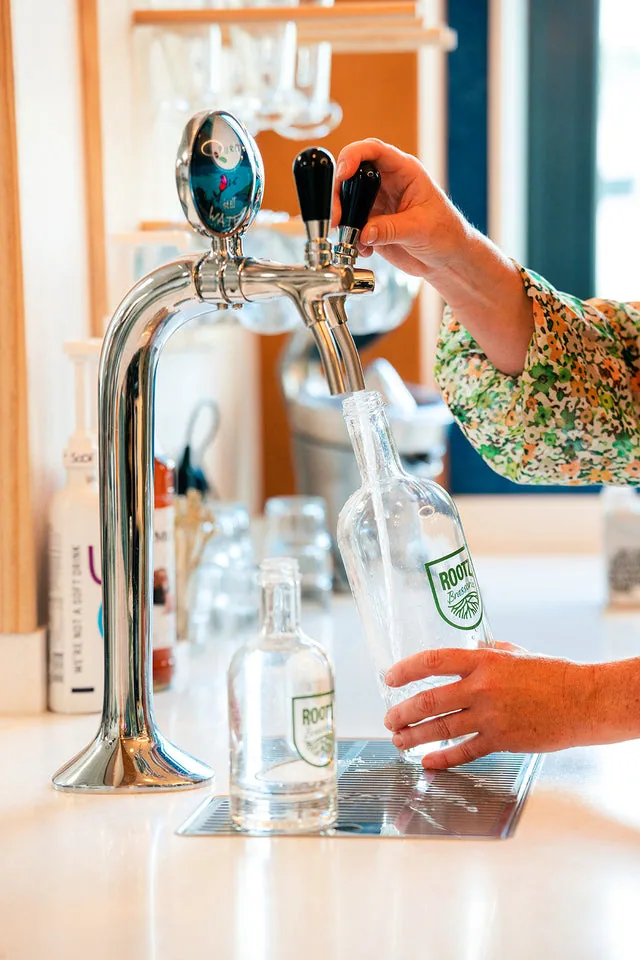
Loyalty works best when the guest journey feels smooth. Menus should be easy to scan, takeaway materials should feel professional, and branded items should support the experience rather than distract from it. When your physical brand assets are organized and consistent, the customer experience becomes easier to repeat at scale.
Rather have it done for you?
Your Brand Ambassador can do everything for you, and our in-house designers make your files print-ready. Or see your brand on everything first, in Studio.
Why loyalty is about more than rewards
Many businesses think first about restaurant loyalty programs, but not every loyalty problem is solved by points or discounts. If the brand experience feels inconsistent, even a strong rewards model can struggle to create long-term attachment.
In practice, restaurant guest loyalty often depends on whether people trust the experience enough to come back without being pushed. Rewards can encourage frequency, but branding helps shape the emotional memory of the visit. That is why visible touchpoints matter so much in hospitality, especially when supported by consistent communication between visits. To nurture loyalty beyond the table, explore Hospitality email marketing.
Brand touchpoints that influence repeat business
For restaurants and cafés, loyalty is reinforced through repeated exposure to brand details. These details may seem small on their own, but together they shape how professional and memorable the business feels.
- Menus - support clarity, brand recognition, and purchase confidence
- Napkins and coasters - add subtle brand repetition during the visit
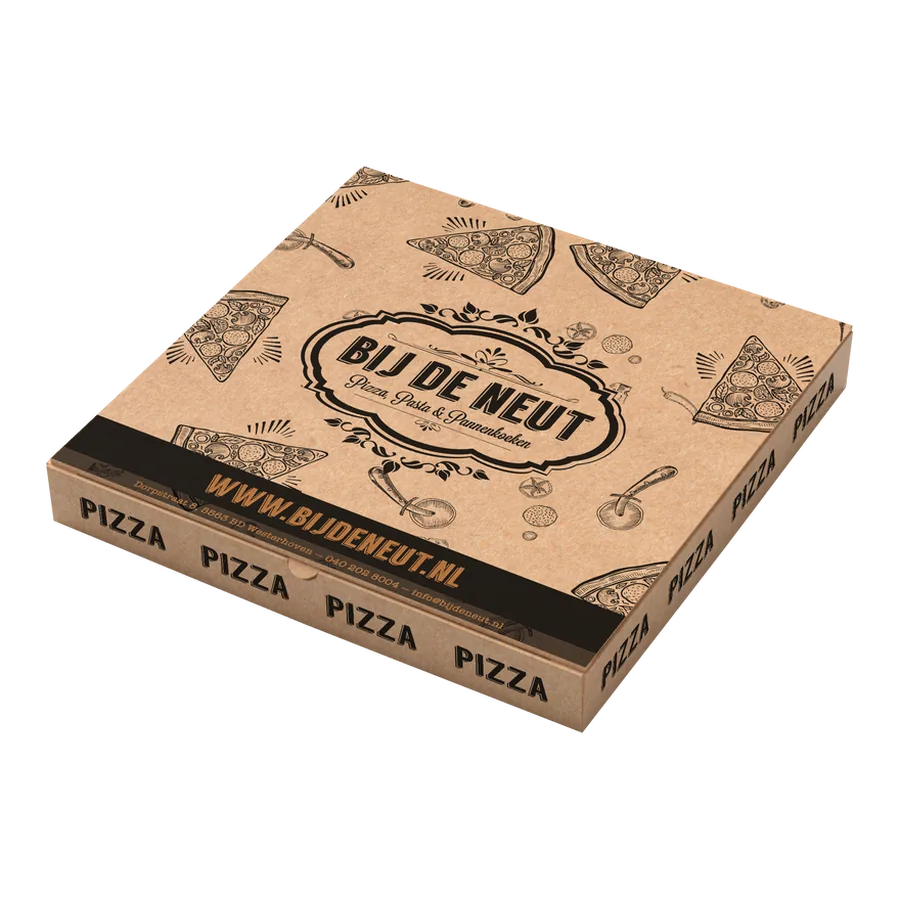
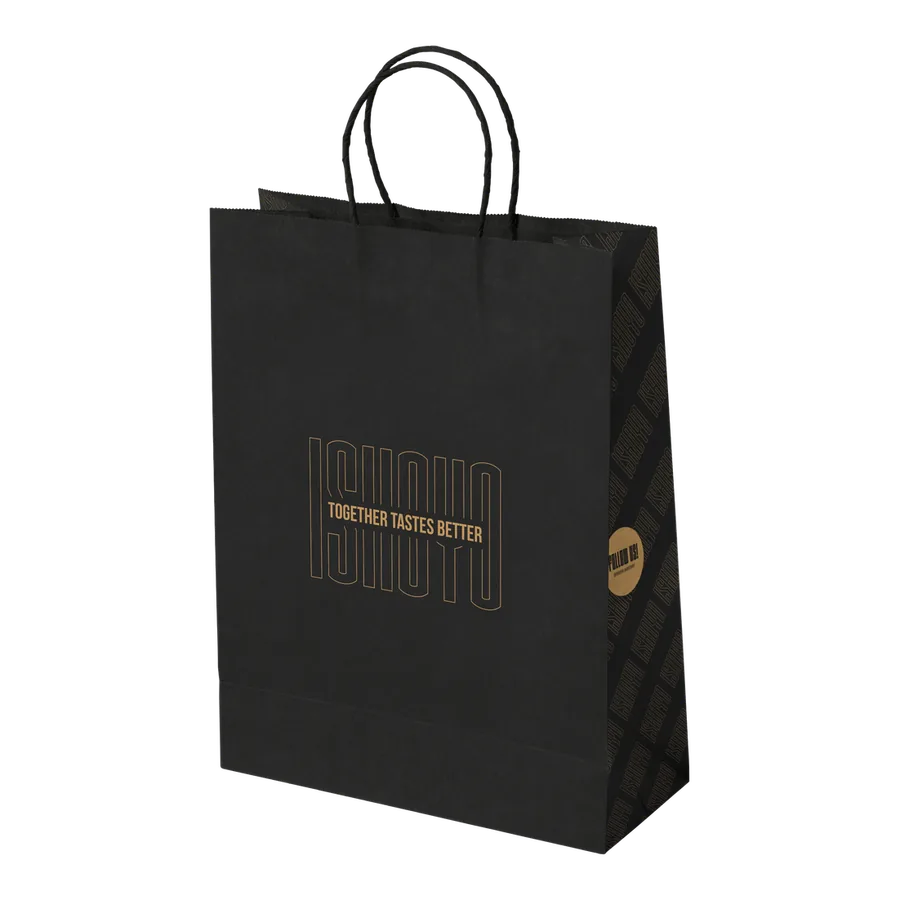
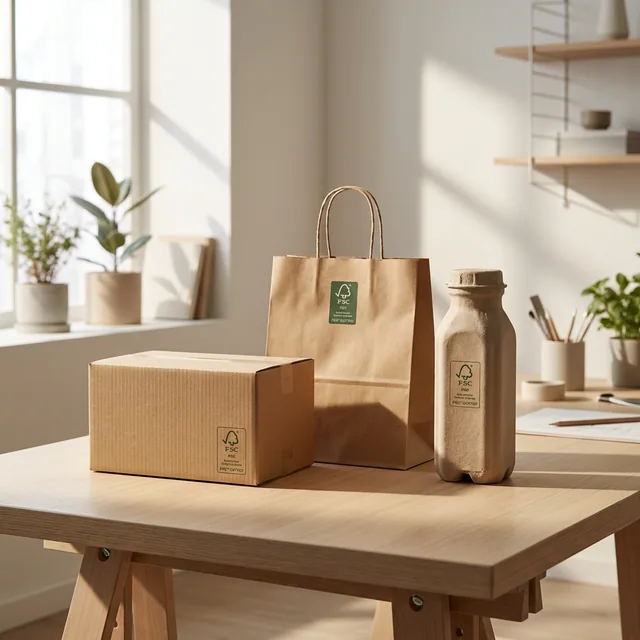
- Packaging - extends the brand beyond the counter and into takeaway or delivery
- Apparel - helps create a more cohesive in-store presentation
- Printed and embroidered brand materials - strengthen consistency across guest-facing moments
When these touchpoints are handled through one clear system, it becomes easier to maintain consistency across locations, teams, or ordering cycles. That matters because repeatable brand execution supports repeat customer behavior.
What strong restaurant loyalty looks like in practice
Successful restaurant loyalty does not always look dramatic. Often, it shows up in repeat orders, stronger brand recall, and a more professional guest experience.
Signs that loyalty is improving can include:
- More returning guests
- Better recognition across dine-in, takeaway, and delivery
- A clearer connection between the food experience and the brand
- More consistent presentation across every customer touchpoint
For growing restaurant brands, this is especially important. If guests encounter one version of the brand in-store and another through packaging or printed materials, loyalty can weaken. If every touchpoint feels connected, loyalty becomes easier to build. Track progress with Restaurant marketing metrics so you can monitor repeat rate, retention, and CLV and refine your loyalty efforts.
Building a loyalty experience without overcomplicating it
You do not need to launch a complex system to improve restaurant customer rewards behavior. In many cases, the first step is making sure the guest experience already feels polished and consistent.
A practical approach is to review the touchpoints customers actually see and hold:
- Is the menu easy to understand and clearly branded?
- Does packaging reflect the same identity as the restaurant itself?
- Do in-store materials support recognition rather than feel generic?
- Can your team reorder and manage branded items in a simple way?
These are branding questions, but they affect loyalty outcomes. The more stable and recognizable the experience becomes, the easier it is for guests to return with confidence. Restaurants can also strengthen retention by understanding their guests and aligning touchpoints to what matters most to their regulars. For a practical guide to segmentation, see Restaurant target audience.
How branded support can help restaurants stay consistent
For restaurant brands that want a more unified customer experience, it can help to manage branded materials through one partner and one system. The Branding Club supports hospitality businesses with branded products such as menus, napkins, packaging, apparel, and other printed or embroidered touchpoints. This can make it easier to keep the brand consistent across the moments guests actually experience.
Alongside product supply, the setup around brand kits, custom production, a central portal, and personal service can help restaurant teams stay organized as they scale or standardize their presentation. While this is not the same as offering loyalty software or a standalone restaurant loyalty platform, it can support one of the foundations behind long-term loyalty: a brand experience people recognize and remember.
FAQ
What is the 30/30/30 rule for restaurants?
This idea can mean different things depending on the source, so it is not a standard rule used across all restaurants. In general, loyalty is better improved by focusing on clear operations, consistent branding, and a guest experience that encourages repeat visits.
What are the three types of customer loyalty?
A simple way to view loyalty is through behavioral loyalty, emotional loyalty, and convenience-based loyalty. Behavioral loyalty means guests keep returning, emotional loyalty means they feel connected to the brand, and convenience-based loyalty means your restaurant is an easy choice in their routine.
Is Gen Z taking over restaurant loyalty programs?
Younger audiences are shaping how restaurants think about loyalty, especially around convenience, brand identity, and digital expectations. Still, the core principle remains the same across age groups: guests return when the experience is easy, consistent, and worth remembering.