Hospitality advertising is about attracting attention, shaping expectations, and making your brand memorable before, during, and after a guest visit. In practice, that means looking beyond paid campaigns alone and considering every brand touchpoint a customer sees, holds, or takes away. For hospitality businesses, strong advertising often works best when digital visibility and physical brand materials support the same message.
What hospitality advertising means in practice
In the hospitality industry, advertising is not limited to online ads, posters, or promotions. It includes the full set of messages and brand cues that influence how guests discover your business and how clearly they remember it later.
For a restaurant, hotel, café, or bakery, hospitality advertising can include online promotion, local campaigns, seasonal offers, and branded in-venue materials. While digital channels may help drive the first click or booking, physical touchpoints often shape the real-world experience that confirms your brand promise.
That is why hospitality advertising should be viewed as both external visibility and internal consistency. If your social content, takeaway packaging, menu presentation, napkins, coasters, or apparel all feel disconnected, the brand becomes harder to recognise and trust.
For restaurant-focused tactics that complement this broader view, see Restaurant advertising strategies.
Why consistency matters in hospitality
Hospitality is highly visual and experience-led. Guests notice small details quickly, and those details influence perceived quality. A clear advertising message may bring people in, but a consistent brand experience helps them remember your venue and recommend it to others.
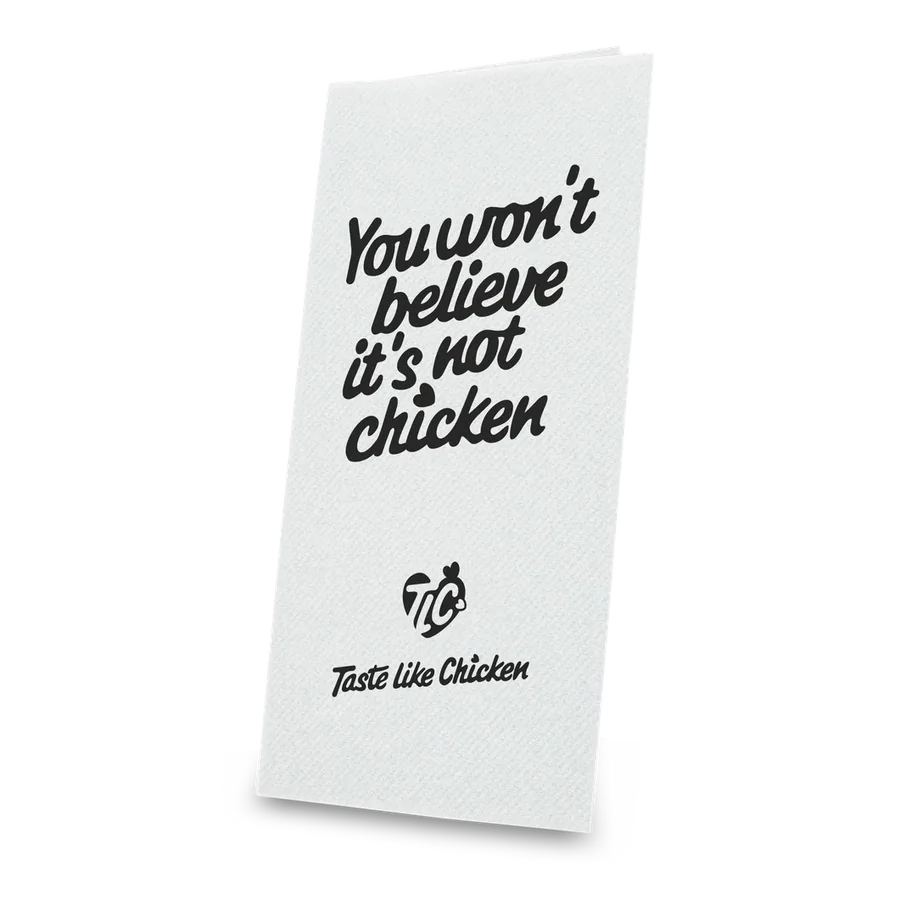
Consistent branding across printed and physical materials helps reinforce identity in a way that digital impressions alone often cannot. A menu card, branded cup, greaseproof paper sheet, refreshment wipe, or apron may seem minor on its own, but together these touchpoints create a stronger and more recognisable presence.
This is especially relevant in sectors where repeat visits, word of mouth, and visual presentation matter, such as restaurants and cafés, hotels, and bakeries.
Rather have it done for you?
Your Brand Ambassador can do everything for you, and our in-house designers make your files print-ready. Or see your brand on everything first, in Studio.
Where hospitality advertising has the most impact
The most effective hospitality advertising usually appears where guest attention is already high. Rather than trying to be visible everywhere, it helps to focus on moments that influence discovery, decision-making, and recall.
Before the visit
- Online discovery through search, social platforms, and local promotion
- Seasonal campaigns and offer-based messaging
- Branded visuals that make the venue easy to recognise
To plan your paid and organic efforts at this stage, see Social media strategy for restaurants.
During the visit
- Menus that reflect the same visual identity as your wider brand
- Tabletop items such as coasters and napkins that strengthen recognition
- Staff apparel and presentation that support a cohesive experience
After the visit
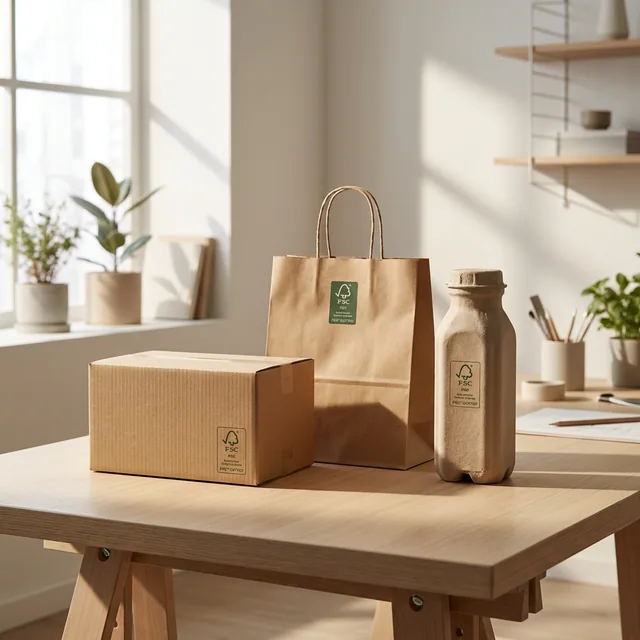
- Takeaway and delivery packaging that keeps the brand visible
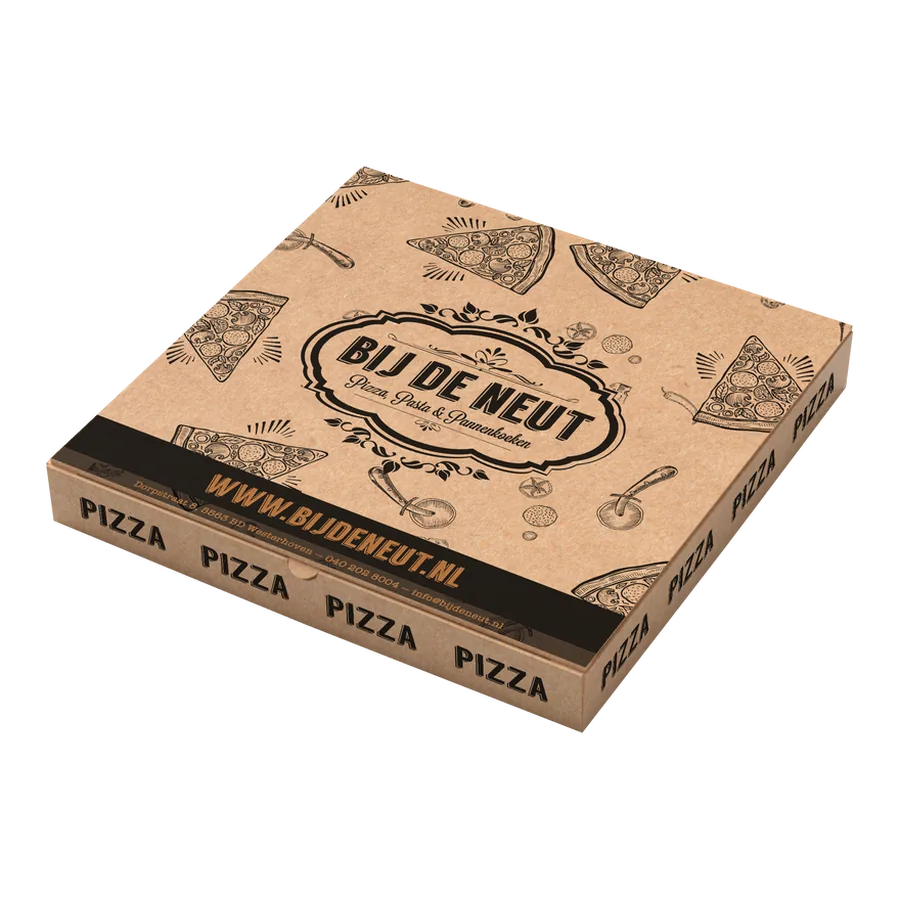
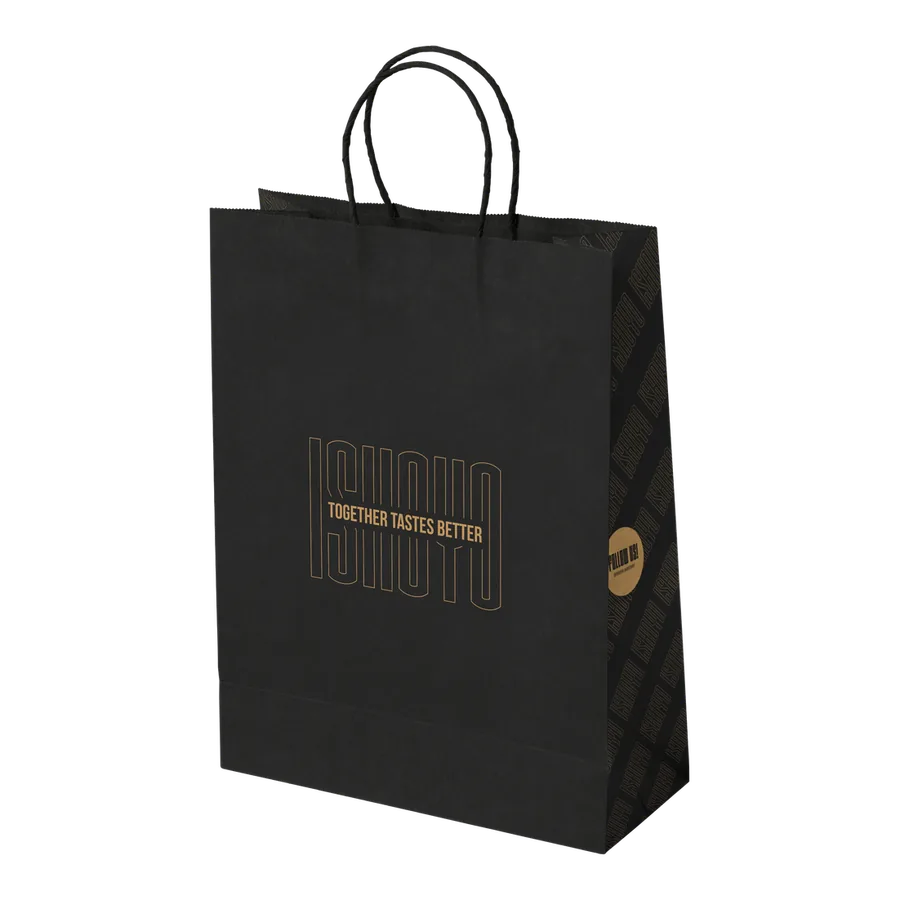
- Shopping bags, cups, and food packaging that extend exposure beyond the venue
- Memorable details that make repeat visits more likely
For many hospitality brands, this is where advertising in the hospitality industry becomes more effective: not as a single campaign, but as a connected system of messages and materials.
The role of branded products in hospitality advertising
Branded products are often overlooked in discussions about hospitality digital advertising or hospitality online advertising, yet they can play a direct role in brand visibility. They help turn ordinary service items into repeated brand impressions.
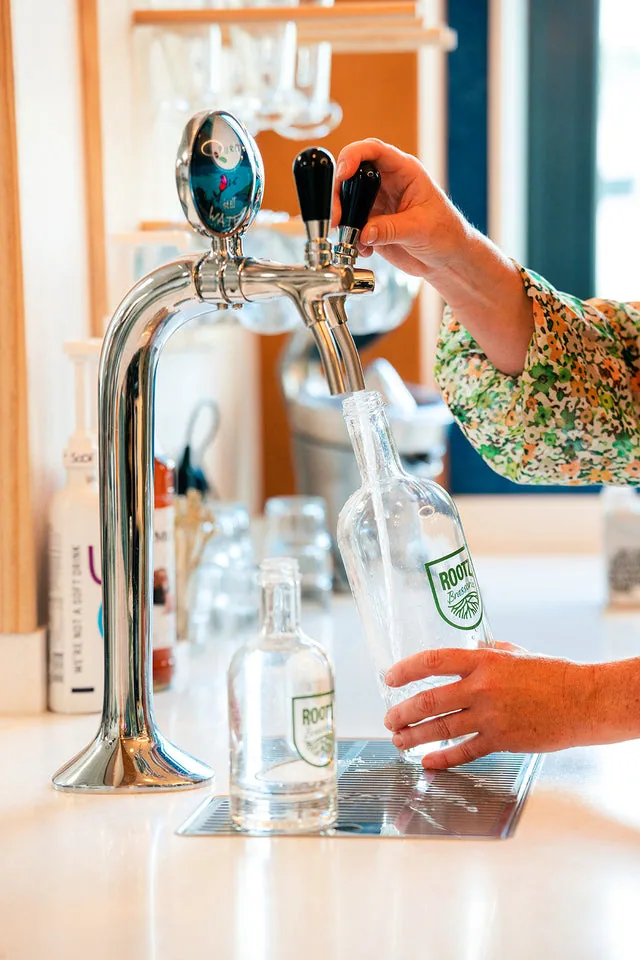
Examples in hospitality settings include menus, napkins, cups, coasters, greaseproof paper, refreshment wipes, food packaging, and apparel. These are not just operational items. When designed well, they help communicate quality, reinforce identity, and make the guest experience more distinctive.
This is particularly valuable when your venue depends on visual recall. A guest may forget an ad they scrolled past, but they are more likely to remember the place that served them with clearly branded materials that felt consistent from arrival to takeaway.
How to make hospitality advertising more effective
Whether you are promoting a single venue or managing multiple locations, the strongest results usually come from simplification and alignment.
Keep the message clear
Guests should quickly understand what your brand stands for. If your visual identity and messaging change too much from one touchpoint to another, advertising becomes less effective. To improve targeting and clarity, start with Define your restaurant’s target audience.
Match digital and physical branding
If your online campaign uses one look and tone while your in-house materials use another, the brand experience feels fragmented. The more aligned these elements are, the easier it is for customers to recognise and remember your business. For brands expanding their channel mix, digital marketing in the hospitality industry plays an important role alongside physical brand consistency. To amplify awareness and promotions with creators, see Influencer marketing for restaurants.
Use high-frequency touchpoints well
Focus on the materials guests interact with most often. In many hospitality settings, that means menus, napkins, cups, packaging, and staff presentation. Small improvements in these areas can create repeated exposure without adding complexity.
Plan for operational consistency
Advertising works better when branded materials are available when and where they are needed. Design support, organised production, stock management, and delivery visibility can help businesses maintain consistency across locations and campaigns.
A practical approach for hospitality brands
For hospitality businesses, advertising is rarely just about buying attention. It is about making sure the attention you earn is supported by a recognisable brand experience. That is why many businesses combine promotional activity with custom branded materials that carry the same identity across guest-facing moments.
The Branding Club supports hospitality businesses with custom branded Printed hospitality products and related service support around those materials. This includes branded touchpoints such as menus, packaging, napkins, apparel, cups, coasters, and other printed items, alongside brand kit setup, design proofs, custom production, stock management, delivery tracking, and a dedicated point of contact.
For businesses that want their advertising to feel more consistent in real life, this kind of support can help translate brand identity into everyday hospitality use.
FAQ
What is hospitality advertising?
Hospitality advertising refers to the ways hospitality businesses promote their brand, venue, offers, and guest experience. It can include digital promotion, local campaigns, and physical branded touchpoints used in restaurants, cafés, hotels, and similar settings.
How is hospitality advertising different from general advertising?
Hospitality advertising is more experience-led. It does not stop at attracting attention. It also needs to support how guests perceive the brand during the visit through visual consistency, service presentation, and branded materials.
Do printed materials count as hospitality advertising?
Yes. Printed and physical items such as menus, packaging, napkins, coasters, and apparel can support hospitality advertising by reinforcing brand identity and improving recall across real guest interactions.
Why do branded touchpoints matter in hospitality?
They matter because hospitality decisions are often emotional and visual. Repeated exposure to clear, consistent branding helps guests remember a business more easily and can strengthen perceived quality. Businesses looking for more channel-specific examples may also benefit from restaurant advertising strategies that complement broader hospitality efforts.
Which hospitality businesses benefit most from branded advertising materials?
Restaurants and cafés, hotels, and bakeries can all benefit from branded materials, especially when guest experience, takeaway visibility, and repeat recognition are important to the business. Depending on the business model, tactics such as a social media strategy for restaurants, local marketing ideas for restaurants, or a restaurant opening marketing plan can also support stronger visibility.