Good restaurant inventory management is not just about counting what is on the shelf. It is about protecting margin, avoiding service disruption, and making sure the right products are available when your team needs them. The best systems are simple, consistent, and built around clear routines.
If you run one location or several, strong inventory habits can help you reduce waste, spot slow-moving stock earlier, and make reordering less reactive. For restaurants that also rely on branded packaging and table items, it helps to manage operational stock with the same discipline as food and beverage inventory.
What good restaurant inventory management looks like
At its core, effective inventory management gives you three things: accurate stock visibility, predictable reordering, and fewer surprises during service. That means your team knows what is in stock, what is running low, and what needs to be ordered before it becomes urgent.
In practice, the best restaurant inventory setups share these traits:
- Clear stock categories - for ingredients, beverages, cleaning supplies, and operational items such as napkins, cups, takeaway packaging, or cutlery bags
- Consistent counting routines - done the same way every time, regardless of who is doing the count
- Par levels - that define the minimum quantity you want available before reordering
- Assigned ownership - so inventory is not everyone's job and therefore no one's job
- Simple reorder triggers - that prevent last-minute purchasing
- Regular review - to catch waste, shrinkage, over-ordering, or slow-moving items before they become costly
The goal is not to create a perfect spreadsheet. The goal is to make better decisions, faster.
Best practices that make the biggest difference
Standardise how you count
Inventory only works when the process is repeatable. Use the same units, the same storage sequence, and the same schedule every time. Create one counting method per item: count boxes as boxes, sleeves as sleeves, and individual units only when that is how the item is actually consumed or reordered.
Set par levels for every critical item
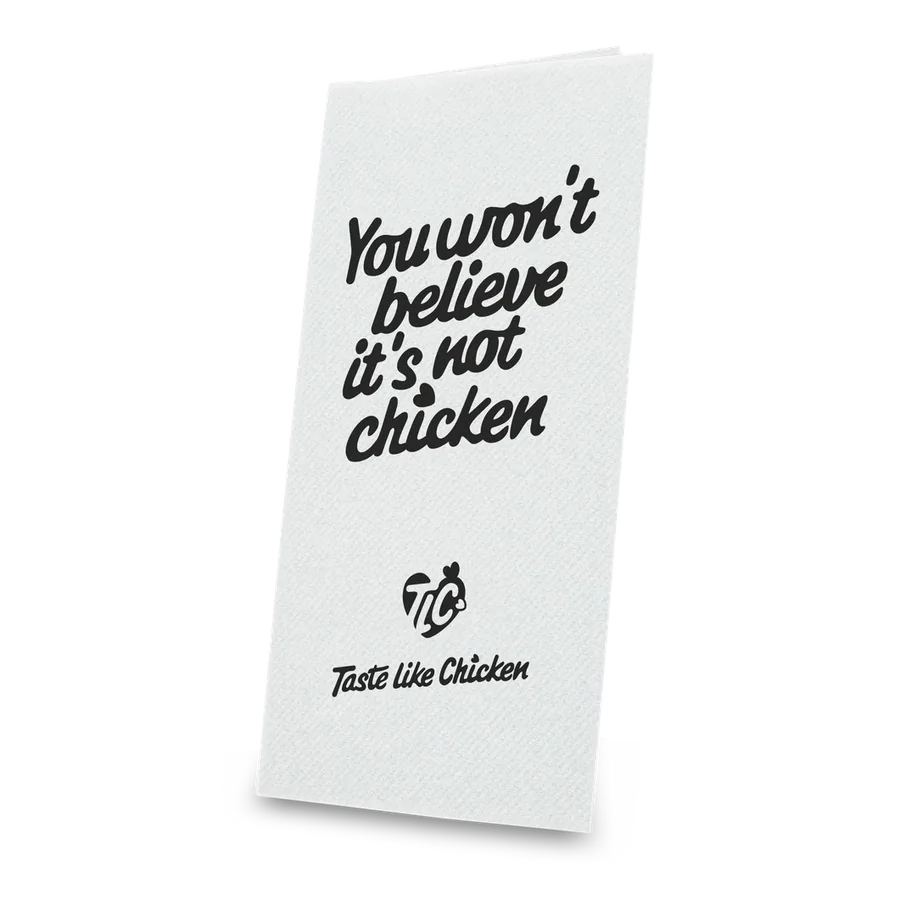
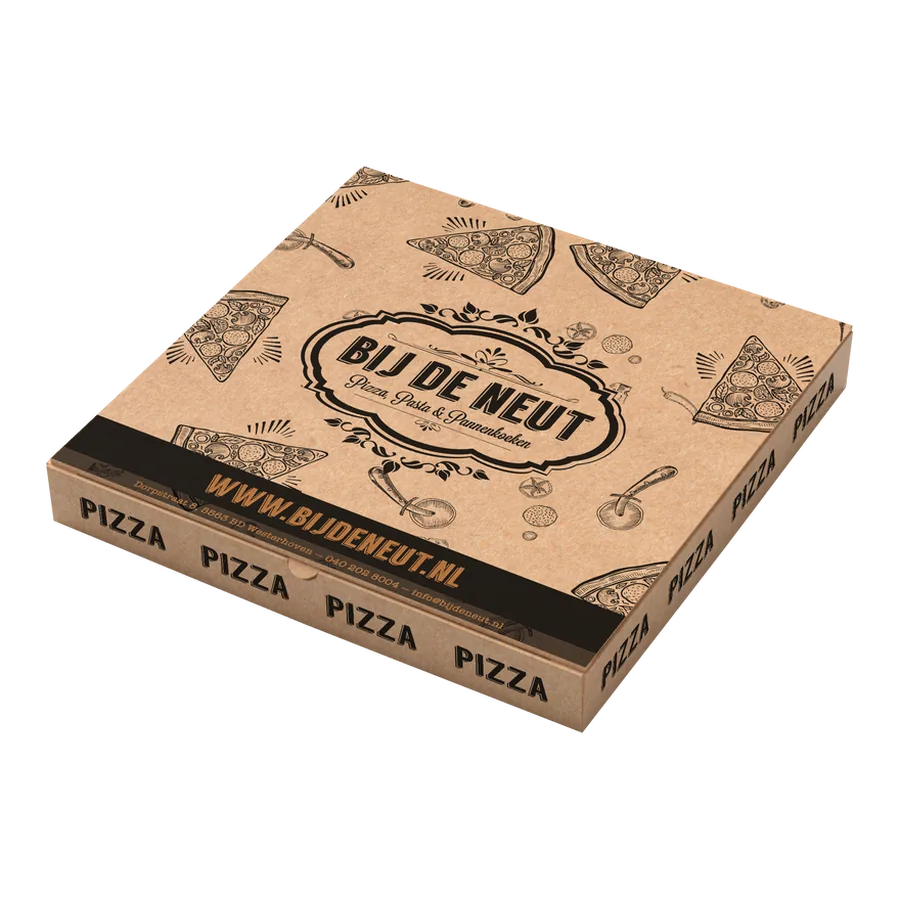
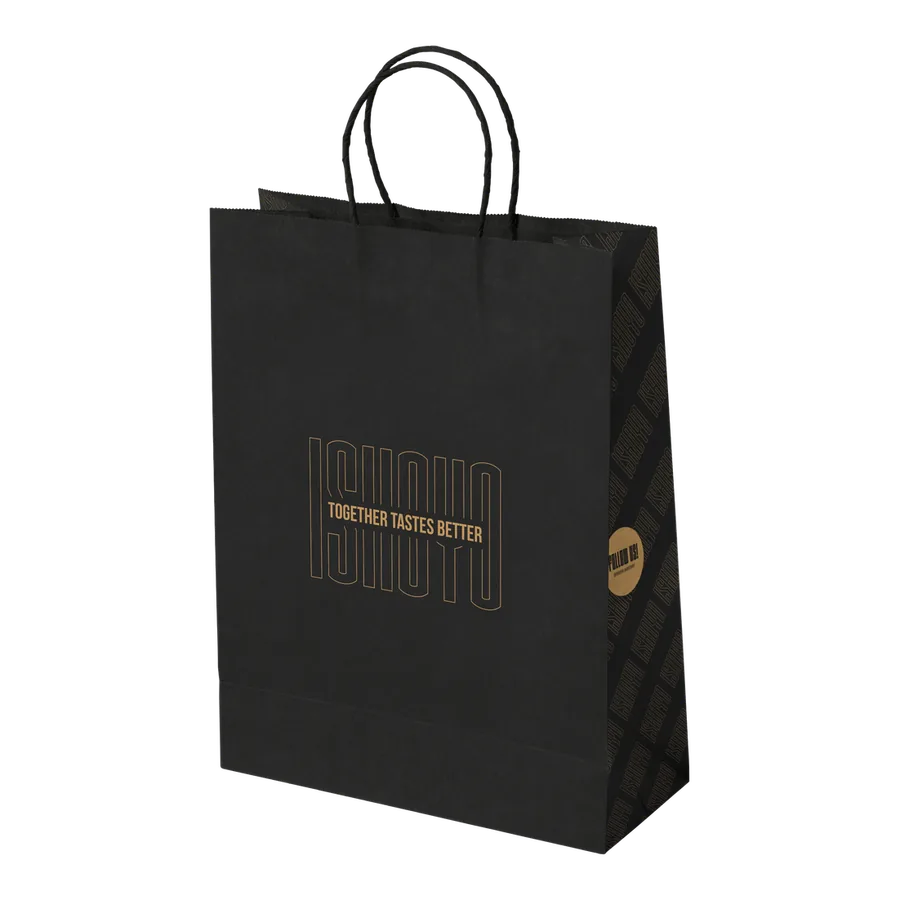
A par level is the minimum stock you want on hand before reordering. Without it, teams tend to order too late or too much. Good par levels should reflect sales volume, supplier lead time, storage capacity, and seasonal menu planning. This is especially useful for operational items that can stop service when they run out: branded napkins, cups, greaseproof paper, pizza boxes, burger boxes, or bags.
Count high-risk items more often
Not every item needs the same attention. A simple ABC approach works well:
- A items - high value or critical items that deserve the closest control
- B items - important but less sensitive items
- C items - lower-risk items that can be checked less frequently
Use FIFO consistently
First in, first out reduces spoilage, dead stock, and avoidable waste. New deliveries go behind older stock so older items are used first. This matters for food, but also for printed service items and packaging where older stock can be forgotten in back storage while new batches get opened first.
Separate ordering from guessing
Reordering should be based on usage patterns and stock levels, not memory or panic. If your team only orders when shelves look empty, you are already too late. Build a routine where counts lead directly to action: review stock, compare with par, then reorder only what is needed.
Keep storage organised and countable
Messy storage creates bad data. Label shelves, group similar items together, and avoid splitting the same stock across too many locations. The easier stock is to see and count, the more accurate your inventory will be.
Review variances, not just totals
If actual stock keeps differing from expected stock, do not just correct the number and move on. Investigate the reason. Common causes include over-portioning, waste, theft, delivery errors, unrecorded transfers, and incorrect count units. Variance review is where inventory starts improving margins, not just reporting them, and has a direct effect on restaurant food cost.
Rather have it done for you?
Your Brand Ambassador can do everything for you, and our in-house designers make your files print-ready. Or see your brand on everything first, in Studio.
Managing inventory across multiple restaurant locations
Multi-location teams usually struggle less with the counting itself and more with consistency. One venue may reorder too early, another too late, and a third may store items differently from the rest. That creates avoidable purchasing and branding issues.
- Use the same item names and units across all locations so counts can actually be compared
- Set location-specific par levels based on actual demand, not one blanket rule
- Limit who can place orders or approve replenishment to reduce duplicate purchasing
- Track stock by location so shortages are visible early, before they affect service
- Standardise branded operational items to keep the guest experience consistent across sites
For restaurant groups, branded products often become harder to control than expected. Cups, napkins, takeaway packaging, and table items can end up overstocked in one venue and missing in another. Having one place to view stock, manage call-offs, and track replenishment can reduce that friction significantly.
Where restaurants often lose money in inventory
Most inventory problems come from a few repeated habits rather than one major mistake. Watch for these:
- Over-ordering - because no one trusts the current stock numbers
- Under-ordering - because checks happen too late and the shelf is already empty
- Inconsistent units - between counting, purchasing, and usage, making numbers unreliable
- Unclear ownership - for counting and reordering, so things fall through the gaps
- Poor storage discipline - that hides usable stock and creates phantom shortages
- No visibility on non-food items - until service is already interrupted by a missing bag or napkin
Operational stock is often underestimated here. Running out of a branded takeaway box or napkin may not look as serious as running out of ingredients, but it can still disrupt service, force last-minute buying, or create an inconsistent brand experience.
A practical routine you can implement now
If your current process feels too manual or too reactive, start with a simple weekly system.
YOUR WEEKLY INVENTORY ROUTINE
- Choose the items that are most important to service and margin
- Assign one owner for counting and one owner for approving orders
- Set a fixed counting day and fixed units for each item
- Define par levels based on usage and supplier lead time
- Reorder only after comparing actual stock to par
- Review large variances before the next order cycle
Once that process is stable, extend it to slower-moving categories and non-food operational stock.
Keep branded restaurant stock under control too
Many restaurants put effort into managing food and beverage inventory but treat branded service items as an afterthought. That usually works until stock runs low at the wrong moment.
Better stock visibility also supports smarter menu engineering, more effective menu pricing psychology, and stronger performance tracking through restaurant marketing metrics.
The best restaurant inventory systems are not the most complicated. They are the ones your team can follow every week without friction.
Frequently asked questions
What is an effective way to manage inventory in a restaurant?
The most effective approach is a consistent system with regular counts, fixed units of measure, par levels, FIFO storage, and clear reorder triggers. It should be simple enough that staff actually follow it and reliable enough that managers can order based on real stock data.
What is the 80/20 rule in inventory?
In restaurant inventory, the 80/20 idea usually means that a relatively small share of items drives most of the value, usage, or risk. That is why it makes sense to count and monitor your most important items more often instead of giving every product the same level of attention.
What is the golden rule for inventory?
A useful golden rule is this: if you do not trust your stock numbers, you cannot trust your purchasing decisions. Accurate, repeatable counts are the foundation for reducing waste, preventing stockouts, and protecting margin.
What is the 30/30/30 rule for restaurants?
The term can mean different things depending on the context, so it is not a universal inventory standard. What matters more than any named rule is having clear reorder points, realistic stock levels, and a process your team follows consistently.