Menu pricing psychology is the practice of presenting prices in a way that makes guests feel more comfortable ordering, upgrading, or adding extra items. It is not about tricking people. It is about reducing friction, guiding attention, and helping customers make decisions faster on a menu.
For restaurants, cafés, and hospitality brands, pricing is never separate from presentation. The same dish can feel expensive, fair, or attractive depending on where it appears, what surrounds it, and how the price is shown. That is why menu pricing psychology works best when pricing, layout, and branding support each other.
What menu pricing psychology really means
Guests rarely evaluate every item on a menu in a fully rational way. Most people scan first, compare second, and decide based on a mix of logic, habit, and visual cues. Menu pricing psychology uses that behaviour to shape how value is perceived.
In practice, that can include:
- Placing high-margin items where eyes naturally land on the page
- Using price anchors to make mid-range options feel more reasonable
- Removing distracting symbols or formatting that overemphasises cost
- Grouping items so comparison feels easier and more natural
- Using descriptions that support perceived value before the price is even read
The goal is not simply to raise prices. The goal is to make the menu easier to understand and more persuasive at the moment of choice.
Why menu design affects price perception
People do not read menus like spreadsheets. They react to structure, contrast, spacing, wording, and sequence. A menu with poor visual hierarchy can make reasonable prices feel confusing or inconsistent. A well-designed menu can make the same pricing feel clear and intentional. Price perception is shaped by context:
- Placement - items shown first, last, or in focal positions get more attention
- Comparison - an expensive item can make the next option feel like better value
- Formatting - small design choices can make prices feel softer or more prominent
- Language - clear, appetising descriptions help justify price before a guest even looks at the number
- Consistency - aligned branding and layout increase trust in the overall offer
This is one reason menu cards matter beyond aesthetics. The physical or printed menu is part of the selling process.
The core pricing psychology techniques used on menus
Anchoring
People judge a price relative to the first strong reference point they notice. If a premium main course appears near the top of a section, a slightly lower-priced dish can suddenly feel more acceptable. This does not mean every menu needs an extreme luxury item — it means strategic price context can influence how guests interpret the rest of the category.
Decoy pricing
A decoy is an option included to make another option look more attractive. If one dish is only slightly cheaper but clearly less appealing than another, many guests will choose the better-value option. Used carefully, this steers attention toward dishes you most want to sell. Used poorly, it looks manipulative or confusing.
Charm pricing versus rounded pricing
Prices ending in .95 or .99 can suggest value. Rounded prices — 18 instead of 17.95 — feel cleaner and more premium. A casual concept may benefit from value cues. A refined dining experience often benefits from simplicity and confidence. The right choice depends on your brand position.
Removing unnecessary currency emphasis
Many menus reduce the visual weight of pricing by avoiding repeated currency symbols or overly dominant price columns. When the price is less visually loud, guests focus more on the dish itself. That does not mean hiding prices — it means presenting them clearly without making cost the first thing the eye sees.
Bundling and set structures
Fixed menus, lunch deals, tasting combinations, or add-on pairings can increase perceived value and simplify decisions. Guests often respond well when the choice feels curated rather than open-ended. Bundling also helps protect margins when individual line-item comparison would make the total feel higher.
What is a menu pricing strategy?
A menu pricing strategy is the overall method a restaurant uses to set and present prices so that they support profitability, guest expectations, and brand position. It includes more than the numeric price itself. A practical menu pricing strategy usually combines:
- Food cost and margin targets
- Positioning in the local market
- Portion and product perception
- How categories are ordered and grouped
- How prices are visually displayed on the actual menu card
In other words, strategy answers both questions: what should this item cost, and how should that price appear to the guest?
How to apply menu pricing psychology without making the menu feel pushy
The best menu pricing psychology is subtle. If customers feel they are being steered, trust drops fast. Good menus guide choices while still feeling natural and easy to read.
- Limit clutter so key items stand out without competing for attention
- Highlight only a small number of priority dishes — when everything is featured, nothing is
- Keep category logic clear so guests can navigate without effort
- Use descriptions to support value, not to oversell items that cannot back it up
- Match pricing tone to your concept - aligned with the right restaurant target audience
Common mistakes that weaken menu pricing psychology
- Too many choices - large menus increase decision fatigue and reduce focus on priority items
- Overdesigned highlights - when everything is emphasised, nothing stands out
- Price ladders that feel random - poor spacing between price points makes comparison awkward
- Long columns of prices - guests start shopping by number instead of by preference
- Descriptions that do not justify the price - premium pricing needs matching presentation quality
- Ignoring menu format - even strong pricing logic can underperform if the menu card layout is weak
The 30/30/30 rule for restaurants
The 30/30/30 rule is often discussed as a simplified way to think about restaurant cost structure, usually dividing targets across major cost areas such as food, labour, and overhead. It is a business planning concept, not a core menu pricing psychology method.
It can be useful as a financial reference, but it does not tell you how guests will react to prices on the page. A restaurant can have solid internal cost targets and still present its menu in a way that hurts conversions or average spend. That is why pricing strategy and menu presentation should be considered together, especially within a broader restaurant marketing budget.
How branding supports menu pricing psychology
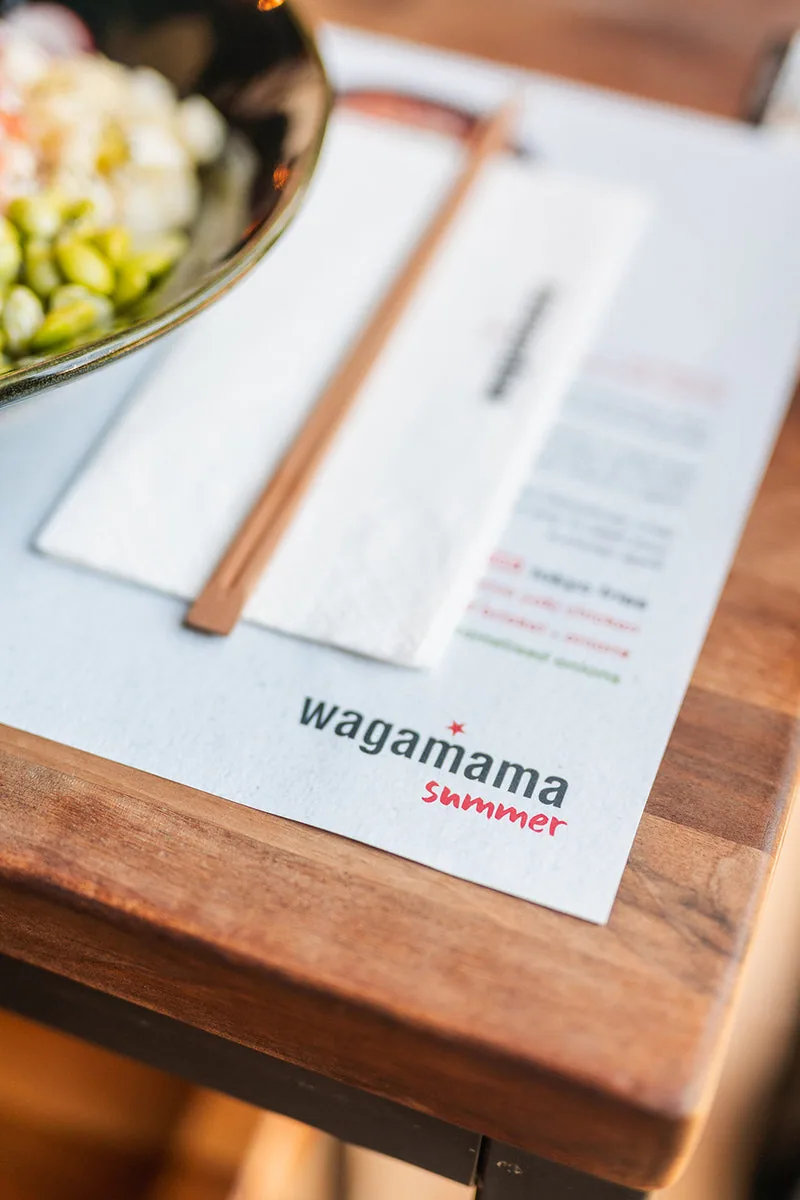
Guests are more willing to accept prices when the full menu experience feels coherent. Typography, layout, tone of voice, print quality, and visual identity all influence whether pricing feels cheap, fair, or premium.
Details such as table decoration and other in-venue brand cues can also influence how guests perceive value before they even open the menu.
Simple checklist for improving a menu
MENU PRICING PSYCHOLOGY CHECKLIST
- Place priority dishes where attention naturally goes on the page
- Check whether one premium item can anchor each section
- Remove formatting that makes guests focus only on price
- Use rounded or charm pricing in line with your brand position
- Review whether descriptions support the price level
- Reduce unnecessary choice overload
- Make sure the menu design feels consistent with the restaurant identity
Frequently asked questions
What is the psychology behind menus?
The psychology behind menus is based on how people scan, compare, and decide. Guests respond to layout, wording, price placement, and visual emphasis — often faster than they realise. A menu can guide attention toward certain items and influence what feels like good value.
What is the psychological method of pricing?
The psychological method of pricing means setting or presenting prices in ways that influence perception. Common examples include anchoring, rounded versus charm pricing, decoy options, and reducing visual emphasis on the price itself. The purpose is to shape how fair, premium, or attractive an item feels.
Should prices be listed in a straight column on a restaurant menu?
Often, no. A neat price column can make guests compare only numbers instead of reading the dishes. Many menus perform better when prices are shown more naturally next to the item description, as long as the layout stays clear and easy to scan. To evaluate whether changes are working, track relevant restaurant marketing metrics.
Does menu pricing psychology only work for expensive restaurants?
No. It can help casual cafés, lunch concepts, bars, and full-service restaurants. The technique should simply match the concept — a value-driven brand and a premium brand can both use pricing psychology, but the presentation style should be different. When done well, it can also strengthen customer loyalty.