Restaurant pickup marketing is not only about getting more orders. It is also about shaping how your brand is seen when the dining experience moves from the table to the takeaway counter, the paper bag, and the customer's home. For restaurants that rely on pickup and take away, branded materials can help create a more consistent experience and make each order feel more complete.
A strong pickup experience combines convenience with recognition. When your packaging, napkins, greaseproof paper, stickers, and bags all work together, the order feels more professional and easier to remember. That can support repeat business without needing to overcomplicate your approach.
Why restaurant pickup marketing matters
Pickup orders remove many of the brand cues customers normally experience inside a restaurant. There is less atmosphere, less service interaction, and less time to make an impression. That makes every physical touchpoint more important.
Restaurant pickup marketing helps fill that gap by making the order feel clearly connected to your brand. A plain handover can become a recognisable brand moment when the packaging is consistent, practical, and well presented.
- Recognition - customers can immediately connect the order to your restaurant
- Perceived quality - thoughtful packaging can make the full experience feel more complete
- Consistency - dine-in, delivery, and takeaway can feel part of the same brand
- Memorability - a clear visual identity is easier to remember for future orders
What makes pickup marketing effective
The most effective restaurant pickup marketing is simple, consistent, and practical. It should support the order experience rather than distract from it. Customers mainly want their food to arrive complete, clean, and easy to carry. Your branding should strengthen that moment.
In practice, that means choosing a limited set of materials and applying your branding in a clear way across them. You do not need every possible printed item. You need the right items to appear connected.
Consistency across takeaway materials
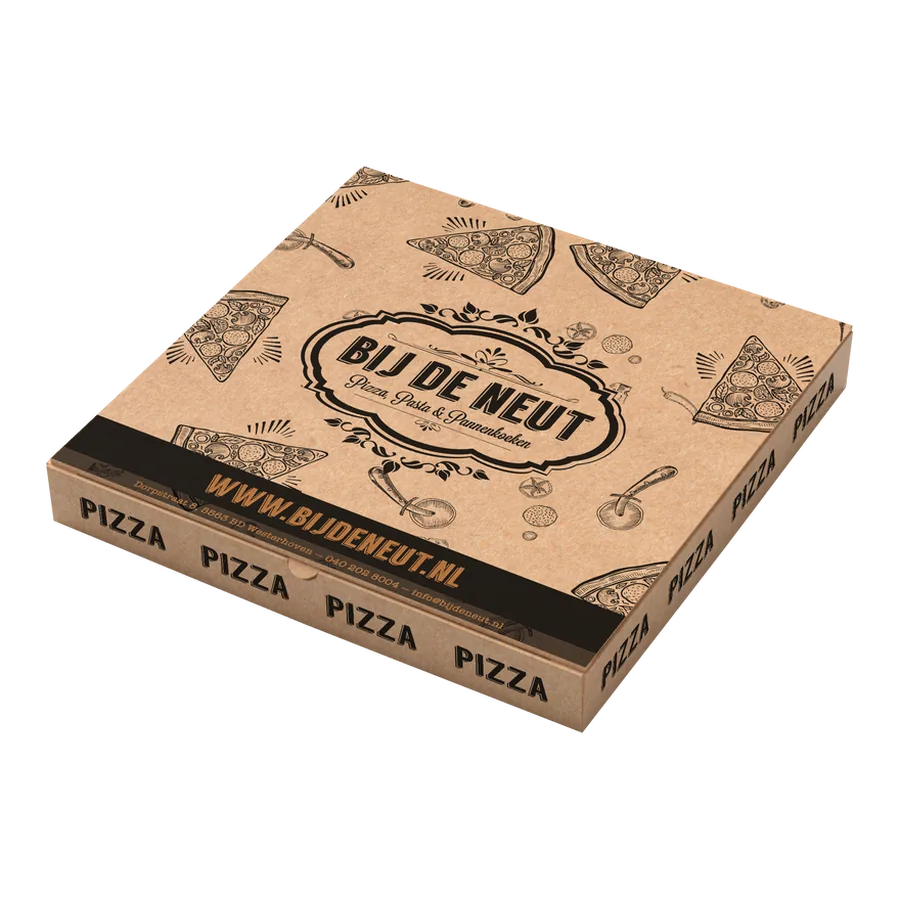
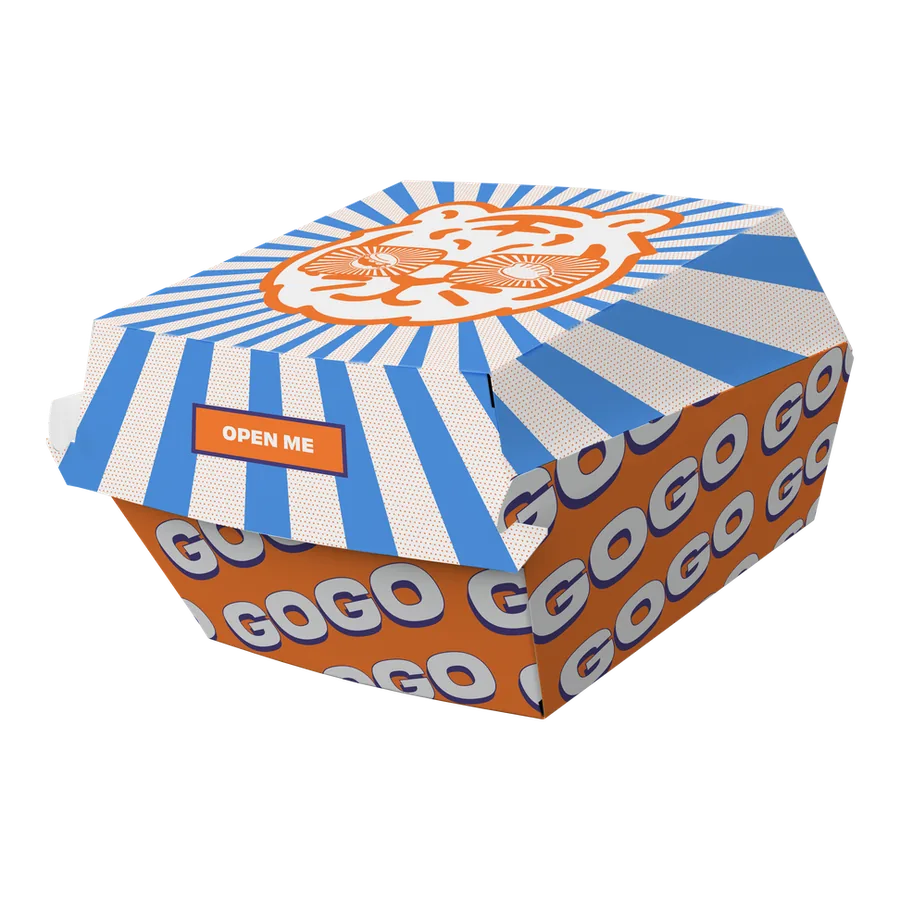
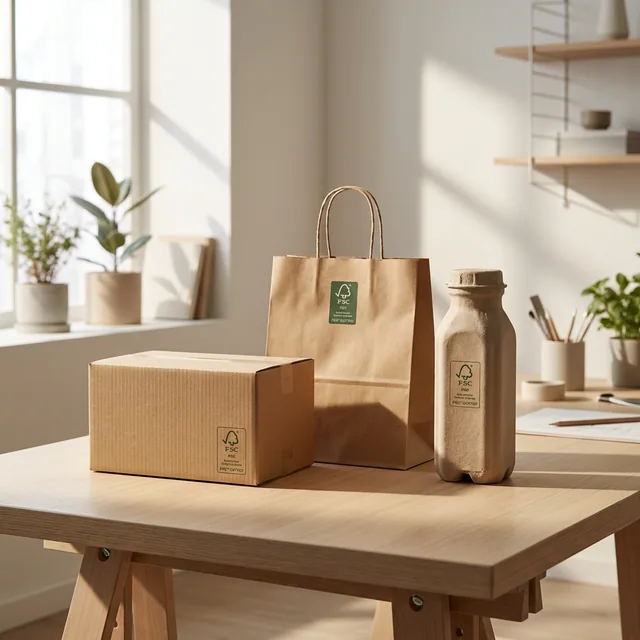
If your paper bags, napkins, boxes, and greaseproof paper all look unrelated, the pickup experience can feel fragmented. A more unified set of printed materials helps customers recognise your restaurant at a glance and gives the order a more polished appearance. For takeaway and pickup, relevant branded materials may include packaging, paper bags, napkins, stickers, cutlery bags, greaseproof paper, pizza boxes, burger boxes, and refreshing wipes. The right selection depends on what you serve and how customers collect it.
Practicality first
Good pickup marketing should still work operationally. Packaging needs to fit the product, protect the food, and support efficient handover. If the material is hard to store, difficult to reorder, or not suitable for your menu, branding alone will not solve the problem. This is why pickup marketing often works best when branding and production are considered together. Materials need to look right, but they also need to function well in real restaurant use.
A clear brand system
Restaurants often get better results from a simple brand system than from trying too many design ideas at once. Repeating the same colours, logo placement, typography, and tone across off-premise materials creates a stronger effect than treating each item separately.
Rather have it done for you?
Your Brand Ambassador can do everything for you, and our in-house designers make your files print-ready. Or see your brand on everything first, in Studio.
Pickup touchpoints that shape the customer experience
Customers judge a pickup order through a series of small moments. Each one contributes to the overall impression of your restaurant.
- Order handover
How neat and organised the package looks at the moment of collection. First impressions set the tone.
- Carrying the order
Whether the bag, sticker, or box feels secure and easy to handle from restaurant to destination.
- Unpacking at home
Whether the brand still feels present when the order reaches the table or kitchen counter.
- Table use at home or work
Details like napkins, wipes, and greaseproof paper extend the brand experience during the meal.
These are small details, but they matter. When the pickup journey feels considered from start to finish, the order can leave a stronger impression than a generic package would.
How branded takeaway packaging supports repeat business
Not every customer will remember an online checkout screen or a plain bag. They are more likely to remember a takeaway experience that feels put together. Branded pickup materials help make that experience easier to recognise next time.
Branded materials can also help when orders are shared in homes or offices. A printed pizza box, burger box, paper bag, or napkin makes it clearer where the meal came from than unbranded packaging would.
Choosing the right materials for restaurant pickup marketing
The right mix depends on your menu, order volume, and how customers typically collect food. Focus on the materials customers actually see and use during pickup.
| MATERIAL | WHY IT MATTERS FOR PICKUP |
|---|---|
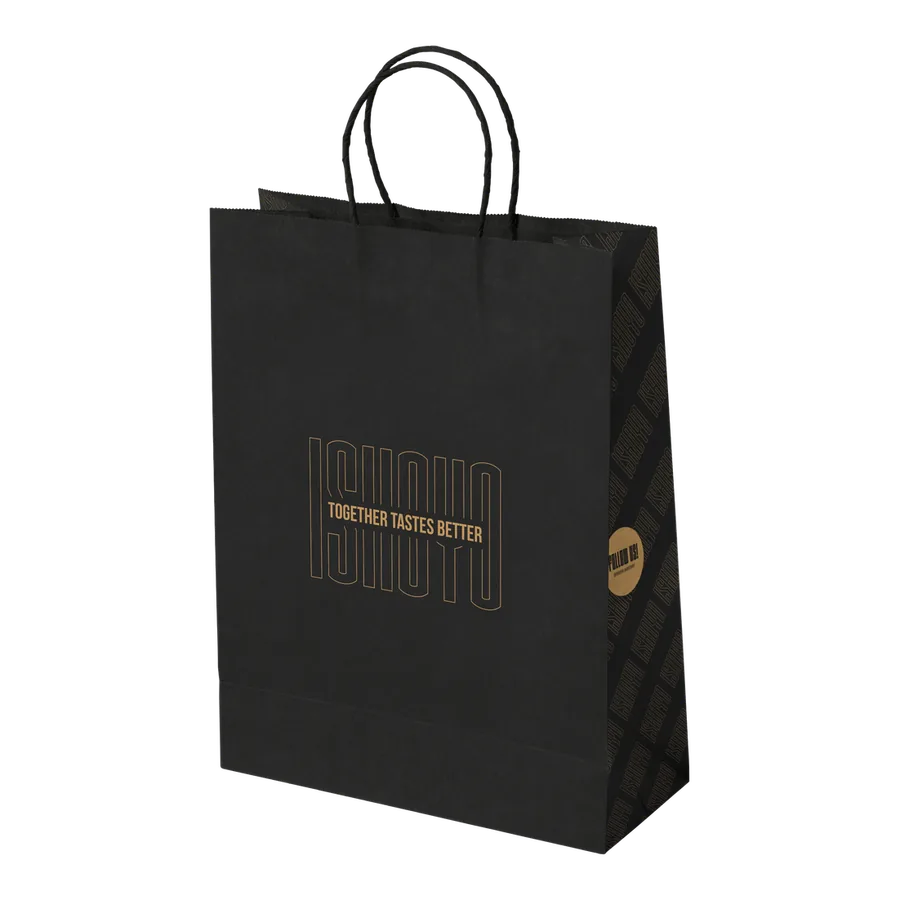
| Paper bags | Create visibility during handover and carrying |
| Stickers | Help close packaging neatly and add a simple branded detail |
| Napkins | Add a useful touchpoint during use of the meal |
| Greaseproof paper | Supports presentation for burgers, snacks, and similar items |
| Pizza boxes and burger boxes | Turn the main food pack into a visible brand surface |
| Cutlery bags | Help organise takeaway orders more neatly |
| Refreshing wipes | Useful for certain menu types and can improve the end-user experience |
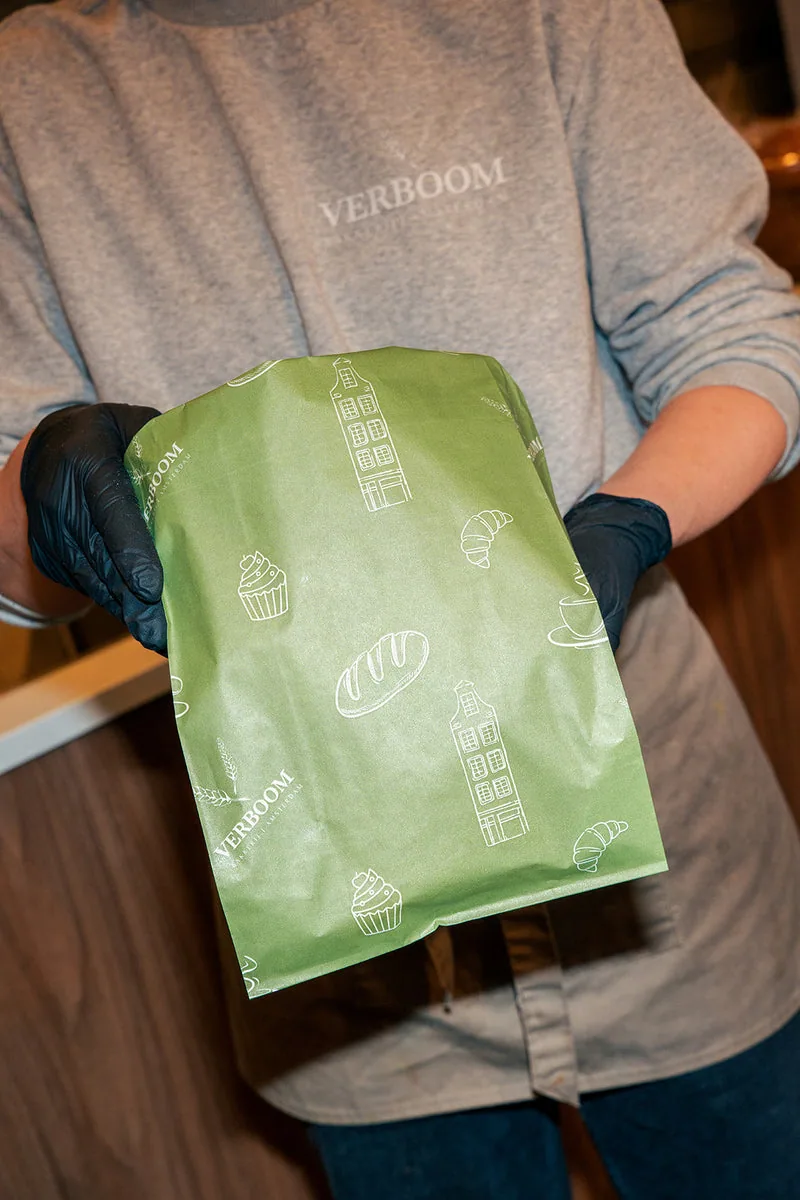
For carry-out visibility and easier handling, consider custom printed paper bags. It is usually better to build a small, well-matched set than to print too many items without a clear system behind them.
Building a more consistent off-premise brand experience
For restaurants, pickup and delivery often sit within a wider off-premise model. That means takeaway materials should feel connected to the rest of the brand, not treated as separate leftovers from dine-in design.
A more consistent off-premise setup may include:
- Brand kit setup so printed materials follow the same visual rules
- Custom production for take-away packaging items that match restaurant needs
- Stock and storage support for businesses managing recurring packaging demand
- Reordering and logistics that make ongoing use easier to manage
When these parts are aligned, restaurant pickup marketing becomes easier to maintain over time.
Common mistakes in restaurant pickup marketing
- Treating packaging as an afterthought instead of part of the customer experience
- Using too many unrelated designs across boxes, bags, and accessories
- Choosing materials based only on appearance without considering practical restaurant use
- Branding low-visibility items only while leaving the main packaging plain
- Making reordering difficult so consistency breaks over time
The goal is not to make pickup look complicated. It is to make the experience feel coherent and easy to recognise.
FAQ
What is restaurant pickup marketing?
Restaurant pickup marketing is the use of customer-facing touchpoints around takeaway collection to strengthen brand recognition and improve the order experience. This often includes branded packaging and related printed materials used during pickup and take away.
Is packaging really part of restaurant marketing?
Yes. For pickup orders, packaging is one of the main brand touchpoints the customer sees, carries, and opens. It can influence how complete and professional the overall experience feels.
Which branded items are most relevant for takeaway restaurants?
That depends on the menu and order format, but common options include paper bags, stickers, napkins, greaseproof paper, pizza boxes, burger boxes, cutlery bags, and other takeaway packaging items.
How can a restaurant keep pickup branding consistent?
Start with a clear visual system and apply it across the materials customers interact with most. It also helps to organise production, storage, and reordering in a way that keeps the same packaging available over time. For broader promotion beyond packaging, see social media strategy for restaurants or local marketing ideas for restaurants. Many delivery tactics translate to pickup; see restaurant delivery marketing.