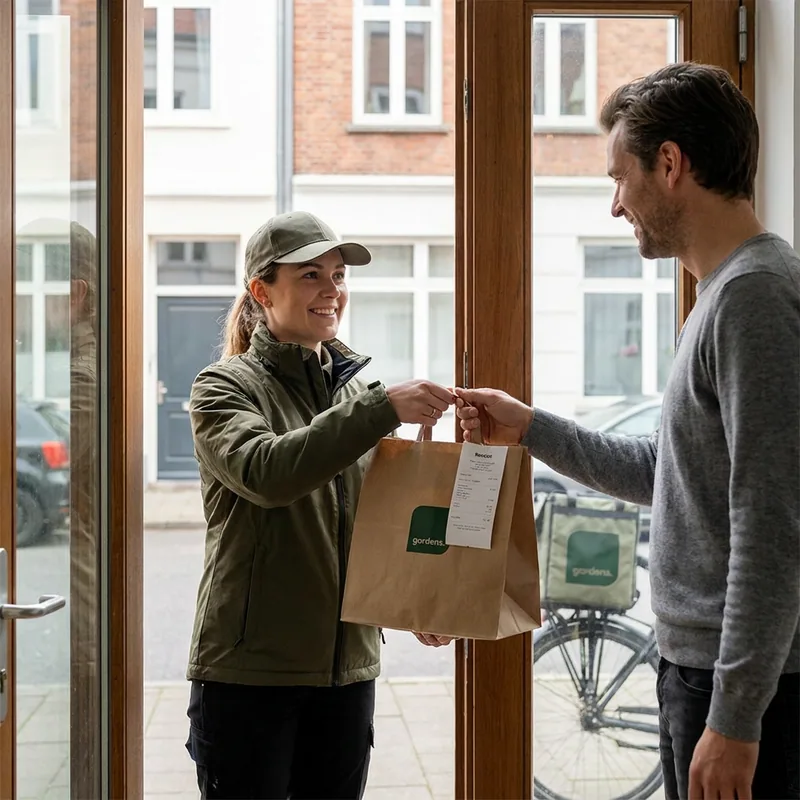
Restaurant delivery marketing is not only about getting the first order. It is about turning every delivery into a branded experience that helps customers remember your restaurant, order again, and recommend you to others. For many restaurants, the strongest delivery marketing happens in the box, the bag, and the printed details that arrive at the customer’s door.
If most of your delivery orders come through food delivery marketplaces, your brand can easily become secondary to the platform. That is why a curated delivery packaging bundle and printed touchpoints matter. They help you stay visible after checkout and create a more professional, consistent experience across takeaway and home delivery.
Why restaurant delivery marketing matters
In-house dining gives you atmosphere, service, and direct contact. Delivery removes most of those brand moments. The customer sees your listing, waits for the order, opens the package, and decides whether the experience felt worth repeating.
That makes delivery marketing especially important in four areas:
- Recognition - helping customers remember your restaurant instead of only the delivery platform
- Trust - showing care through neat, consistent, professional presentation
- Retention - increasing the chance of repeat orders
- Word of mouth - making the order feel worth sharing or recommending
For restaurants that use Uber Eats, Grubhub, or similar marketplaces, this can be one of the few places where your own brand still has full control.
What restaurant delivery marketing should focus on
The goal is not to add random promotional materials to every order. Good food delivery marketing keeps the experience clear, practical, and on-brand. It should support the meal, not distract from it.
The highest-value delivery touchpoints are usually the ones that customers actually handle:
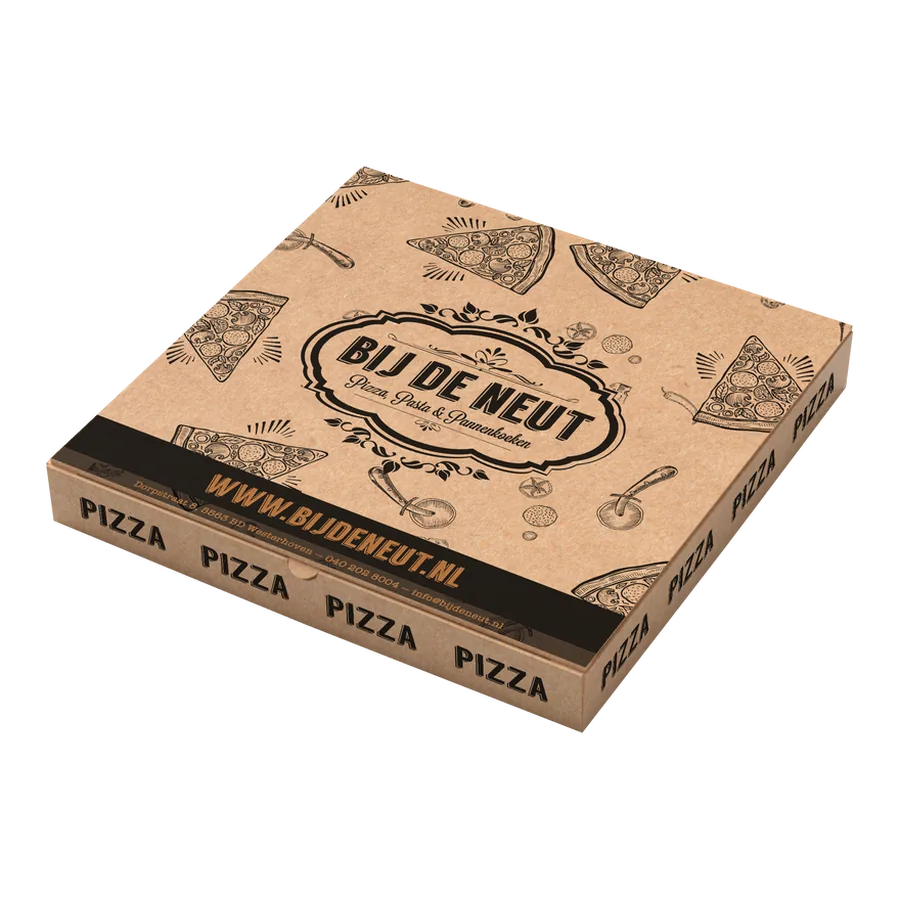
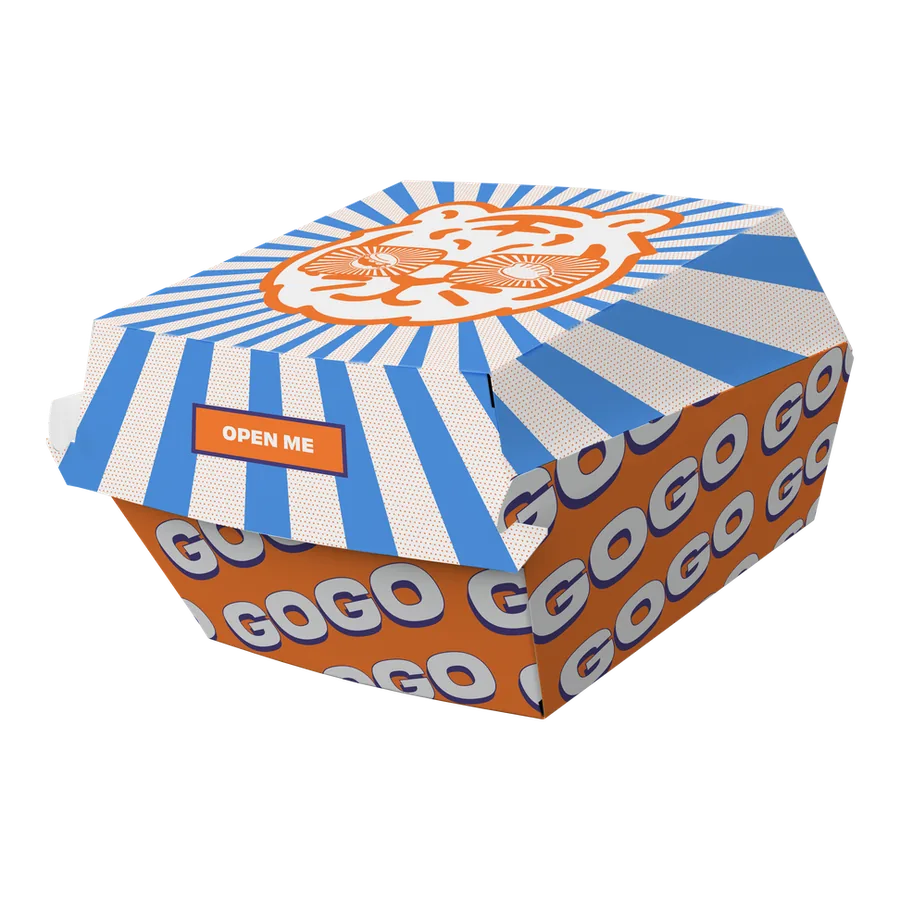
- Food packaging that clearly reflects your brand
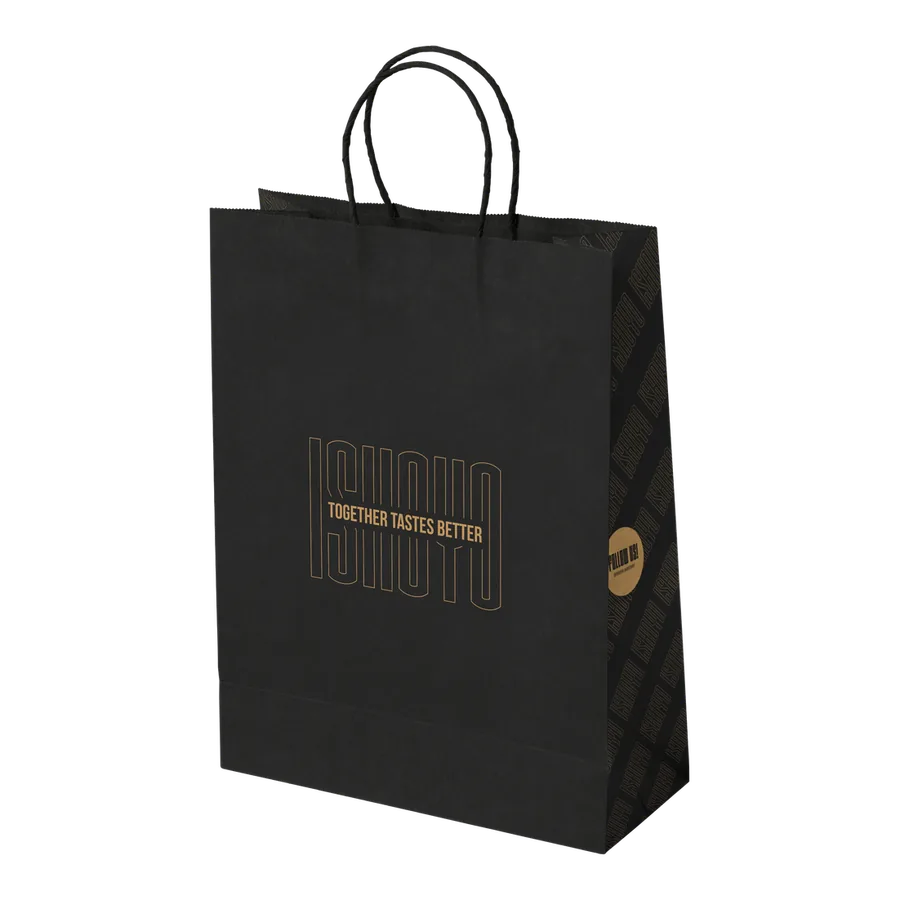
- branded paper carrier bags that increase visibility from handoff to doorstep
- Greaseproof paper or inner wraps that make even small items feel branded
- Printed inserts that support repeat ordering or promote other channels
- Consistent visual design across takeaway and delivery materials
When these elements work together, delivery becomes more than transport. It becomes part of your restaurant brand.
Rather have it done for you?
Your Brand Ambassador can do everything for you, and our in-house designers make your files print-ready. Or see your brand on everything first, in Studio.
How branded packaging supports delivery sales
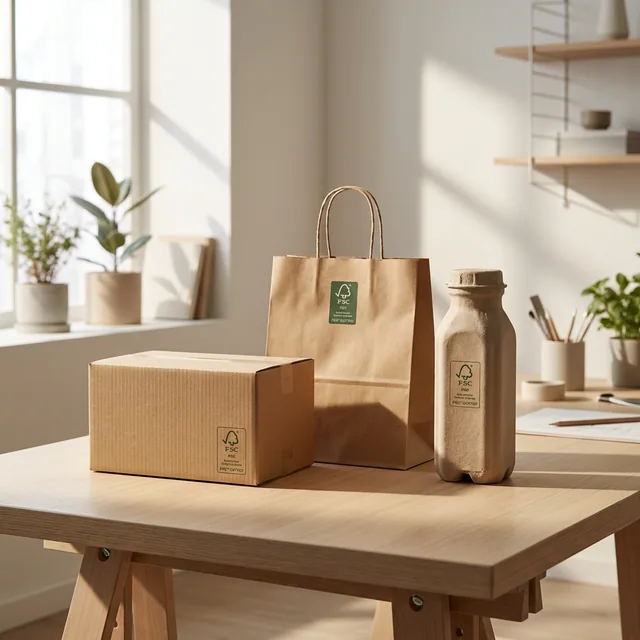
Packaging is often the most overlooked part of restaurant delivery marketing. Yet it is one of the few parts every delivery customer will definitely see. A plain bag and generic box can make the order feel forgettable. Branded packaging can make the same order feel more polished and intentional.
Effective delivery packaging helps in several ways:
- It creates a stronger first impression when the order arrives
- It reinforces your name and identity during the unboxing moment
- It makes your restaurant easier to remember for future orders
- It improves consistency between your food, your image, and your customer experience
This matters for independent restaurants, chains, and ghost kitchen marketing alike. If the customer has limited interaction with your team or physical location, your packaging becomes one of the main brand signals they receive.
Practical delivery branding elements restaurants can use
Not every restaurant needs a complex system. In many cases, a few well-chosen printed products can improve delivery branding significantly.
Outer packaging
Carrier bags, takeaway bags, and food packaging are usually the most visible elements. They help create a clear brand presence from dispatch to delivery.
Inner presentation
Greaseproof paper, burger wraps, pizza boxes, hamburger bags, and similar packaging details can make the food feel more complete and considered. These are often small touches, but they contribute strongly to perceived quality.
Printed support materials
Printed inserts, order cards, or other branded paper items can support retention when used carefully. The best versions are simple, relevant, and easy to understand.
Consistent design execution
Even good materials lose impact if the branding is inconsistent. Matching colours, logo use, print quality, and tone across all delivery items helps the customer connect each order to the same restaurant identity.
How to increase delivery sales without relying only on marketplaces
Many restaurants depend heavily on food delivery marketplaces for visibility, but that can make it harder to build direct loyalty. Marketplace platforms are useful for reach, yet they often keep the customer relationship at arm’s length.
To increase delivery sales more sustainably, focus on what you can control inside the order experience:
- Make the brand memorable so customers recognize your restaurant next time
- Create a consistent presentation that feels reliable from order to order
- Use printed touchpoints carefully to support future action
- Keep the experience professional so the food arrives with the right impression
This approach is especially useful if your restaurant wants to stand out in crowded delivery apps where price and placement often dominate attention. For ideas beyond delivery apps, explore a focused social media strategy for restaurants and practical local marketing ideas for restaurants.
What good restaurant delivery marketing looks like in practice
Strong restaurant delivery marketing is usually simple. It does not need to feel over-produced or promotional. It needs to feel clear, branded, and consistent.
| Delivery touchpoint | Marketing value |
|---|---|
| Branded food packaging | Improves recognition and presentation |
| Paper carrier bags | Extends brand visibility during transport and handoff |
| Greaseproof paper or wraps | Adds detail and consistency to the food experience |
| Printed inserts | Supports retention and future ordering |
| Coordinated design across all materials | Builds a stronger overall brand impression |
Choosing the right setup for your restaurant
The best setup depends on your menu, order volume, and how important delivery is within your business. A burger concept may focus on wraps, bags, and burger boxes. A pizza brand may put more emphasis on box presentation and carrier packaging. A broader takeaway concept may need a coordinated mix of custom printed food packaging and printed materials.
What matters most is not the number of items. It is whether the delivery experience feels cohesive and recognisable to the customer.
For restaurants that want support with this, it can help to work with a partner that handles the process from design to production and practical delivery logistics. That makes it easier to keep branded materials aligned and available over time, especially when delivery and takeaway volumes increase.
FAQ
How to increase delivery sales in restaurants?
Start by improving the parts of the delivery experience you control. Clear branding, professional packaging, consistent presentation, and useful printed touchpoints can help customers remember your restaurant and order again. This is especially valuable when orders come through third-party delivery platforms.
What are the 4 P's of marketing for restaurants in a delivery context?
In delivery, the traditional 4 P's still apply: product, price, place, and promotion. But presentation becomes especially important because customers do not experience your dining room or service team. Packaging and branded printed materials help strengthen the promotional side while supporting the product experience at home.
Does packaging really count as restaurant delivery marketing?
Yes. Packaging is one of the main branded moments in food delivery. It affects recognition, perceived quality, and whether the customer remembers your restaurant after the meal. For many delivery-first or takeaway-focused businesses, it is a core marketing touchpoint.
Why is branding important for restaurants using Uber Eats or other marketplaces?
Marketplaces are useful for reach, but they can make the platform more visible than the restaurant itself. Branded delivery packaging helps keep your own identity in front of the customer, which supports recall, loyalty, and repeat orders. A clear social media strategy for restaurants can also reinforce that brand outside the delivery app.