Your hospitality brand is judged in seconds. A guest sees the website, scans the OTA gallery, reads the menu, notices the signage, picks up the cup or room key, and decides whether everything feels right. When those touchpoints look and sound connected, the brand feels trustworthy. When they do not, the experience feels weaker than the promise. A hospitality brand style guide solves that. It turns brand identity into clear rules for hotels, restaurants, cafés and multi-location groups, so teams, agencies and suppliers can create the same brand experience every time. Whether you call it a brand style guide, a brand book or brand standards, the aim is one document that a hotel or a restaurant group can hand to every team, agency and supplier.
What a strong style guide actually does
A hospitality brand style guide is more than a logo document. It is the operating system behind brand consistency. It explains how the brand should look, sound and behave across the guest journey, from first impression to post-stay or post-visit follow-up.
In hospitality, that matters because the brand is experienced in many small moments. A booking confirmation, a menu layout, a takeaway bag, a minibar label, a staff uniform, a welcome card, a room directory, a social post, and an OTA listing all shape perception. Guests may never read your mission statement, but they do notice whether the details feel aligned. For background on why this consistency matters, see Why a rock-solid hospitality brand matters.
Style guide, brand guidelines and brand standards: the differences
These terms are often used as if they mean the same thing, but they serve different purposes. Knowing the difference helps you build the right document and avoid a guide that is either too vague or too detailed for daily use.
| DOCUMENT | MAIN PURPOSE | TYPICAL CONTENT |
|---|---|---|
| Brand guidelines | Set the overall brand framework | Positioning, personality, values, audience, visual identity and messaging principles |
| Style guide | Translate the brand into practical creative rules | Logo use, colors, typography, layouts, imagery, tone of voice and application examples |
| Brand standards | Define measurable operational requirements | Approved sizes, materials, placements, finishes, signage rules and quality requirements |
| Brand matrix or template | Help teams apply and manage standards at scale | Product fields, supplier details, item specs, lead times, approvals and compliance notes |
For many hospitality brands, the sweet spot is a connected system. The brand guidelines explain the bigger story. The hospitality brand style guide shows how that story should appear in creative work. The brand standards and template make it usable for purchasing, production, refurbishments and multi-location rollouts.
What to include in a hospitality brand style guide
A good guide should be broad enough to cover the full guest experience, but practical enough that teams can actually use it.
Brand foundations
Start with your brand promise, guest profile, positioning, personality and core message. Keep it short and concrete. Teams should quickly understand what the brand stands for and what kind of experience it is trying to create. This section is especially important in hospitality because local teams often make small day-to-day choices that affect the brand.
Visual identity rules
Cover approved logo versions, minimum sizes, exclusion zones, background rules, color palette, typography, icon style and layout principles. Crucially, show how the identity works in real environments. A logo on a building sign behaves differently from a logo on a room card, menu, coffee cup or embroidered apron. Show application rules, not just brand assets. To translate typography and layout into effective menus, see menu design psychology.
Tone of voice and guest messaging
Voice affects the guest experience everywhere — booking confirmations, menus, social captions, service recovery emails and in-room copy. Define tone, sentence length, preferred vocabulary and words to avoid. Include examples: show how a luxury concept speaks differently from a playful café brand or a business hotel. If the brand operates across markets, add multilingual principles so translations stay on-brand. For a real-world example, explore Sojubar's corporate identity.
Operational standards for physical touchpoints
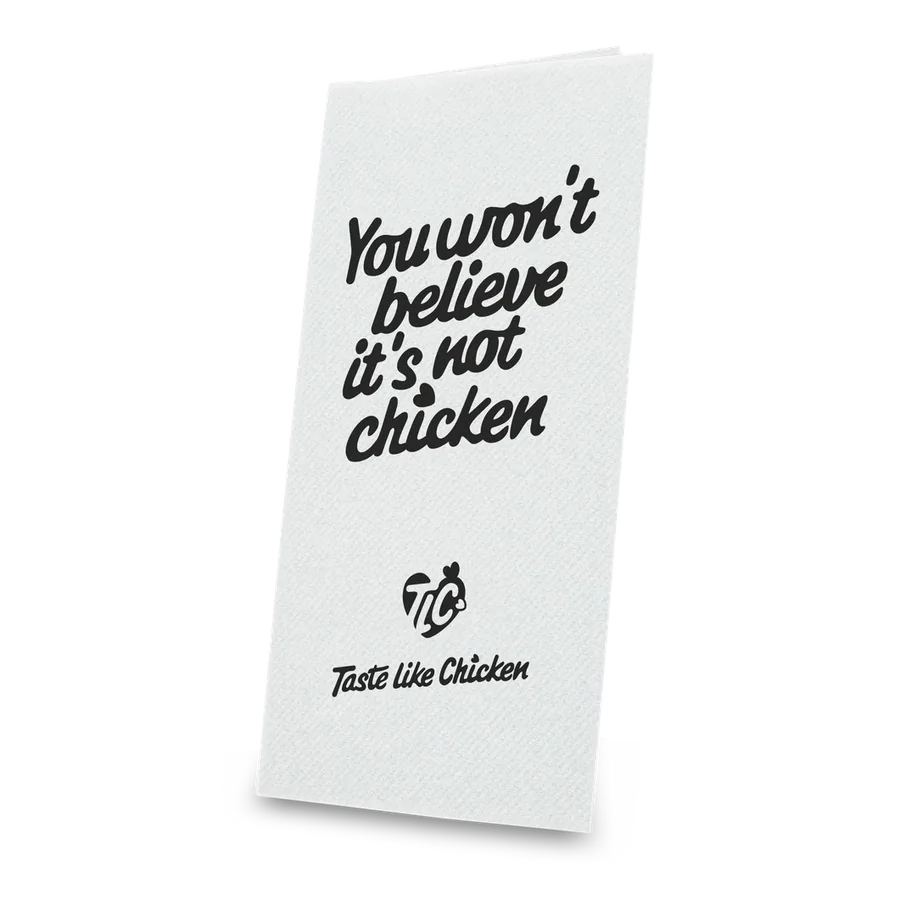
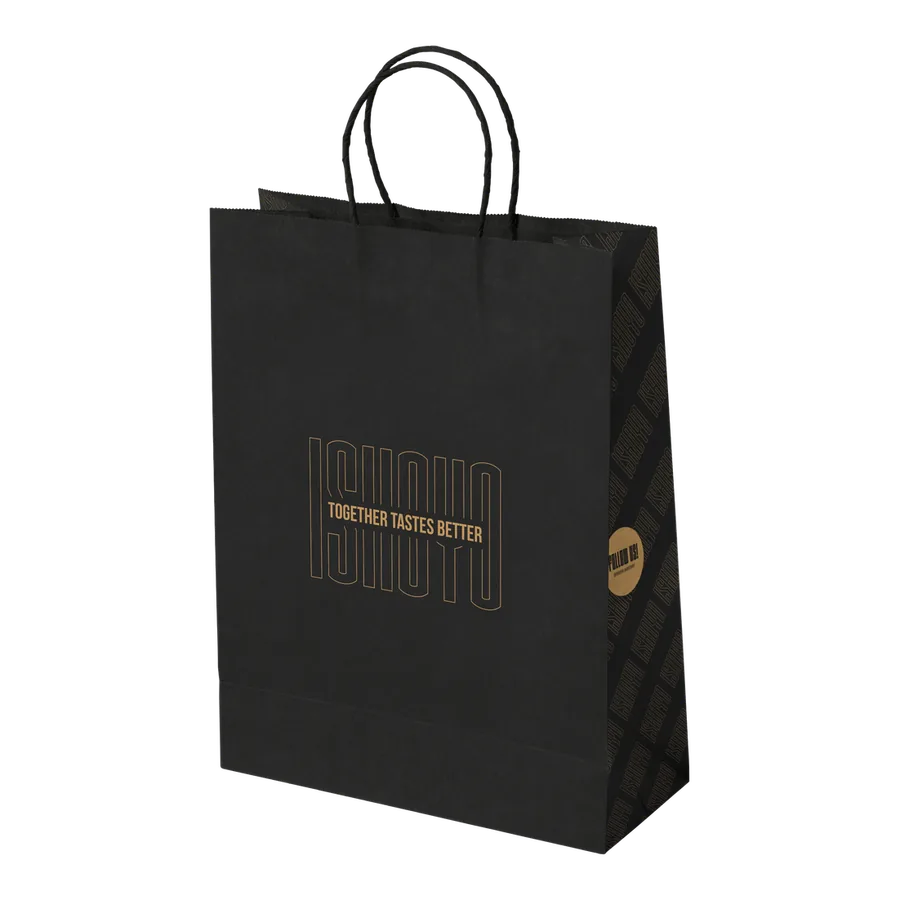
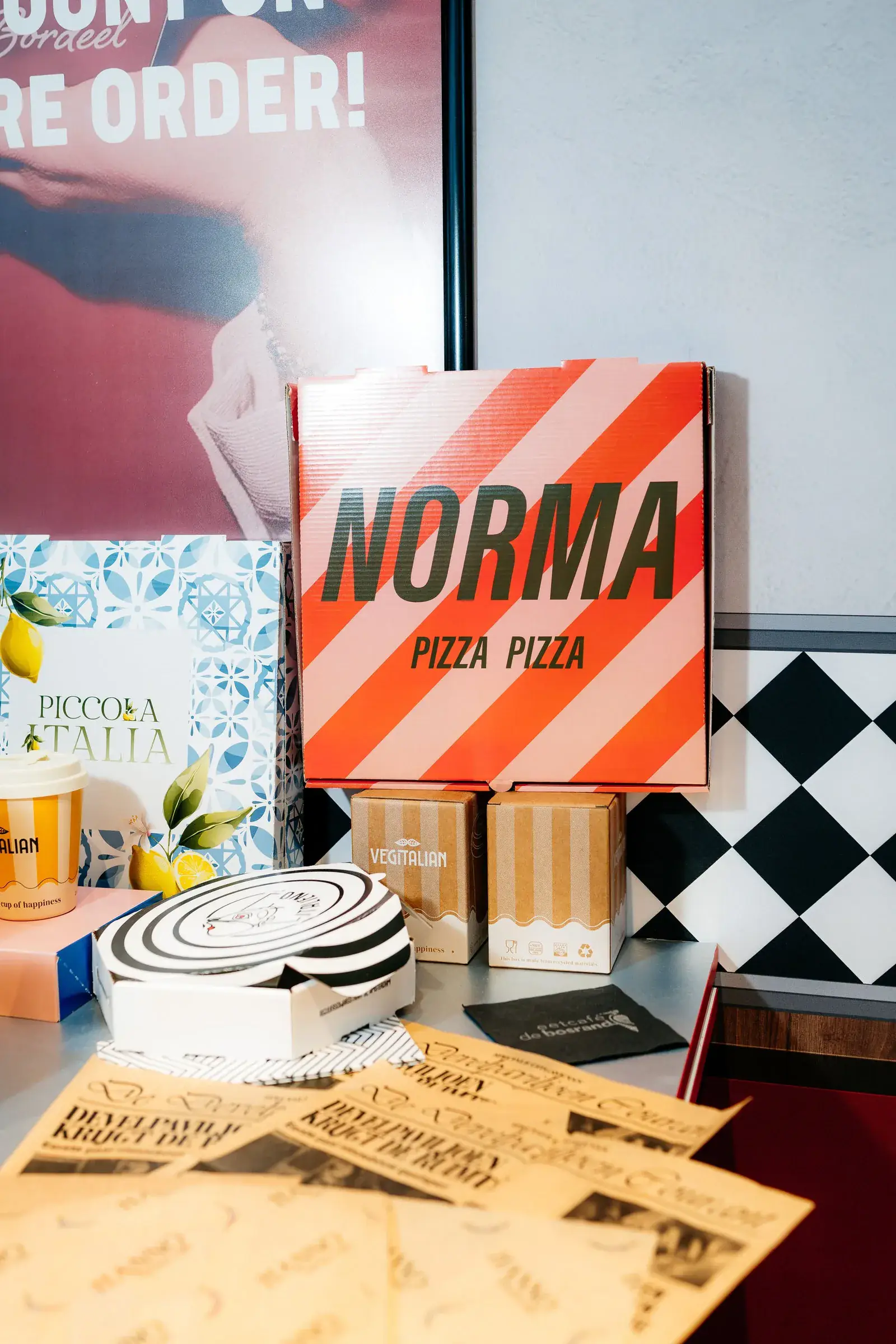
This is where a generic style guide becomes a hospitality brand style guide. You need rules for the things guests actually touch, carry, read and remember: menus, table talkers, key cards, coasters, takeaway packaging, napkins, cups, glassware, uniforms, amenity labels, room collateral, event signage and branded retail items. To keep staff presentation on-brand, specify items like custom corporate clothing and custom-printed napkins.
For each application, document the approved logo version, print area, size limits, material guidance, finishing options, color rules and artwork approval process. If you manage consumables or branded packaging, this is also where brand consistency connects to practical compliance: cups, takeaway items and printed food packaging should account for food-contact considerations and single-use plastics legislation where relevant.
Digital and distribution touchpoints
Hospitality brands are discovered online first. Cover website imagery, booking flow visuals, email design, social templates, Google Business Profile assets and OTA listings. Define photography style, image order, mood, framing, retouching level and how facilities should be shown. OTAs do not always allow full design control, but they do allow better brand consistency through copy choices and image selection — and a strong style guide should address that.
Specifications for rollouts, FF&E and OS&E
If your business is opening, refurbishing or scaling properties, the guide may need a more technical layer. Include approved finishes, materials, product categories, supplier references, artwork files, compliance notes, lead times and replacement rules. This is not necessary for every hospitality brand, but it is extremely valuable for groups that need to keep rooms, public areas, service items and procurement decisions aligned across multiple sites.
How to build a guide people will actually use
The biggest mistake is creating a beautiful PDF that no one opens during real work. A useful guide is built around everyday decisions.
Audit the guest journey first
List every brand touchpoint across discovery, booking, arrival, service, stay or visit, takeaway and follow-up. Then review what is currently inconsistent. This gives you a practical scope instead of a theory-heavy document.
Define the non-negotiables
Choose the brand elements that must stay consistent everywhere: logo rules, core colors, typography, voice, approved materials, key messages and hero photography principles. Then decide where local adaptation is allowed, such as city-specific imagery, seasonal menu design or campaign content.
Turn rules into repeatable templates
Instead of describing standards only in paragraphs, build a brand standards template or brand matrix that teams can use when ordering, briefing or approving assets. That makes the guide far easier to apply across locations and suppliers. Useful fields in a hospitality brand standards template include:
- Asset or product category
- Approved logo version and color code
- Material, finish and print method
- Image or artwork reference
- Supplier or production notes
- Minimum order quantity and lead time
- Approval owner
- Compliance notes where relevant
- Version number and update date
Assign owners and access
A guide only works when responsibilities are clear. Marketing may own the brand, but operations, procurement, local managers, designers and suppliers all need controlled access to the right files and rules. Use version control so outdated artwork does not keep circulating.
Review and train regularly
Hospitality changes fast. New products, seasonal campaigns, renovations, legal requirements and digital platforms create new brand use cases. Review the guide regularly and train teams on the most common scenarios. A short onboarding session often delivers more value than adding another 20 pages to the document. If you are updating your brand, use the rebranding checklist with examples.
Common mistakes that weaken hospitality branding
- Logo-only guide - ignoring menus, packaging, signage, uniforms and room collateral
- Unchecked local adaptation - letting every location adapt the brand without clear rules for what can and cannot change
- Forgetting digital channels - OTAs, booking emails and social templates are often underdocumented
- Screen-only rules - typography or color rules that work on screen but fail in print or on physical materials
- No approval workflow - leading to outdated artwork and inconsistent supplier output
- Design disconnected from procurement - approved concepts that cannot actually be ordered easily
- Unverified sustainability claims - making packaging claims without checking EU packaging, product or single-use plastics requirements
- Overlooking digital privacy - ignoring cookie and privacy requirements when brand rules extend to web forms, email capture or personalised guest communications
A simple template structure for your guide
If you want to keep the document practical, use a structure like this.
| SECTION | WHAT TO DOCUMENT | WHY IT MATTERS |
|---|---|---|
| Brand foundations | Audience, promise, personality, positioning | Keeps decisions aligned across teams |
| Visual identity | Logo, colors, typography, imagery, layout rules | Protects recognition and quality |
| Voice and messaging | Tone, vocabulary, examples by channel | Makes communication feel consistent |
| Physical applications | Menus, signage, packaging, workwear, room materials | Connects the guide to the guest experience |
| Digital applications | Website, OTAs, email, social, booking journey | Improves first impressions and conversion |
| Standards template | Specs, suppliers, approvals, lead times, compliance notes | Makes the guide usable in operations and procurement |
From brand book to daily execution
A hospitality brand style guide only wins when it shows up in daily operations. That is where many brands get stuck. The rules exist, but the files are scattered, suppliers are fragmented and each location starts solving the same problem again.
If you are moving from strategy to hands-on execution, start with From brand strategy to branding: the how-to guide for entrepreneurs.
Frequently asked questions
What is the difference between a hospitality brand style guide and hotel brand standards?
A style guide explains how the brand should look and sound. Hotel brand standards go further into measurable operational requirements, such as signage dimensions, approved materials, room collateral rules or placement instructions. Most hotel groups need both.
What should a hospitality brand style guide include first?
Start with brand foundations, then visual identity, tone of voice and the physical and digital touchpoints that matter most to guests. If your guide starts with logo files but never covers menus, OTAs or packaging, it is incomplete.
Do restaurants, cafés and hotels need different style guides?
They need the same core structure, but different application sections. A hotel may need rules for key cards, in-room materials and wayfinding. A café or restaurant may need deeper guidance for menus, takeaway packaging, cups, napkins and workwear.
Should the guide cover FF&E and OS&E?
Yes, if you are opening or refurbishing properties, or if brand consistency depends on product and material selection. In that case, extend the guide with a brand matrix or standards template that includes finishes, supplier references, lead times and approval notes.
How often should hospitality brand guidelines be updated?
Review them at least once or twice a year, and immediately after major changes such as a rebrand, renovation, product rollout or new compliance requirement. Fast-moving brands often benefit from a living document instead of a static PDF.
Who should own the style guide inside the business?
Usually marketing or brand leads own the document, but operations and procurement should be closely involved. In hospitality, brand consistency depends on execution, so ownership cannot sit with design alone.
Can a smaller hospitality brand use a simple version?
Absolutely. A smaller brand does not need a large manual. It needs a concise guide that covers the essentials and the most visible guest touchpoints. Even a lean brand guide can prevent expensive inconsistency later.
Can frameworks like the 5 C's of branding or the 3 7 27 rule replace a style guide?
No. Those frameworks can help with brand thinking and message repetition, but they do not tell teams how to apply the brand across menus, OTAs, signage, packaging or uniforms. A hospitality brand style guide translates strategy into action.
What are hotel brand standards?
They are the fixed rules for how a hotel brand is applied at every property and touchpoint: logo use, colours, typography, signage and printed items. A style guide turns them into practical instructions for teams, agencies and suppliers.
Does a boutique hotel, inn or B&B need brand standards?
Yes, just fewer than a chain. The essentials still apply: logo use, colours, typography, tone of voice and the touchpoints guests see and hold, from signage to the coffee cup.