You want to quickly know what is and isn't allowed when it comes to plastic packaging, what has changed and will change, and which packaging you should choose today. In this blog, you'll read what the current SUP rules mean, how to avoid risks, and how you, as a brand, can continue working smoothly with packaging that does fit within your business.
Quickly navigate to the topic you want to know more about
- What falls under the SUP rules?
- What has already come into effect in the Netherlands?
- What changes will take place by 2026?
- What does this specifically mean for your packaging?
- Smart products that strengthen your brand
- What The Branding Club does to make your brand distinctive
What falls under the SUP rules?
The European SUP directive focuses on single-use products that are wholly or partly made of plastic. This means that paper or cardboard with a thin plastic barrier can also fall within this scope. Paper cups with plastic coating are therefore also included.
Additional requirements apply to specific product groups. For example, there are mandatory markings for certain products, including drinking cups, which clearly indicate that the product contains plastic. Labels prevent confusion for your guest or customer, and we at The Branding Club can help you with this, among other things!
What has already come into effect in the Netherlands?
The Netherlands has translated the SUP guidelines into national regulations. The main guidelines are: no free provision of plastic-containing cups and containers for takeaway and delivery since 2023, and no single-use cups or containers with plastic for on-site consumption since 2024. In addition, the EU requirement that caps of beverage packaging are attached to the bottle applies. The line is clear: reuse where possible, reduce single-use where necessary.
What changes will take place by 2026?
The government has announced that the mandatory extra surcharge for takeaway plastic-containing cups and containers will be abolished. The obligation to offer a reusable alternative will remain. The intended effective year is 2026, and its entry into force depends on parliamentary procedure.
What does this specifically mean for your packaging?
Your goal is likely brand consistency and compliance. This requires clear choices per channel, and at The Branding Club, we know all about that.
On site
Serve without using single-use plastic and work with reusable packaging. For example, opt for printed glass tableware or entirely paper food solutions.
To go
You already have the freedom to choose the price and material, but pay attention to the SUP definition. A paper cup with coating still falls under the rules. Clearly communicate your reusable option and offer an easy way for customers to use their own cups or containers.
Branding and marking
The mandatory SUP marking applies to drinking cups. Integrate the pictograms into your design so that your brand remains consistent and you comply with the rules. Good design is also compliance by design.
Smart products that strengthen your brand
You can make the quickest transition by applying solutions that comply with the rules and fit your brand story.
Food to go and delivery
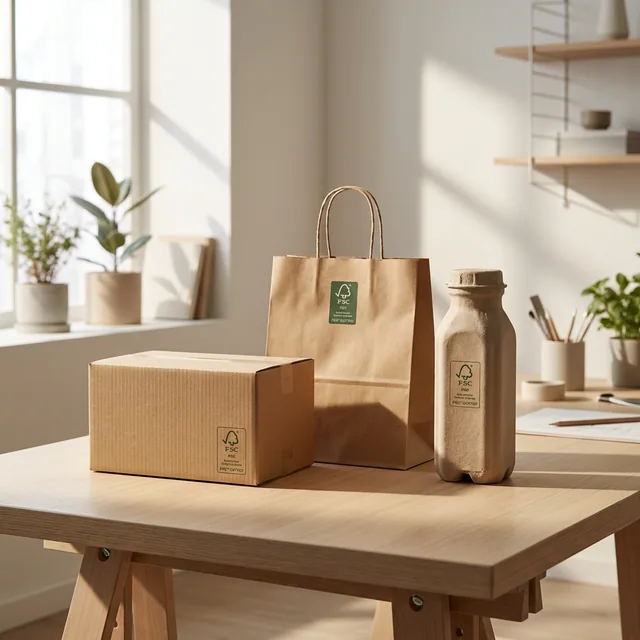
Choose printed shipping boxes for e-commerce and combine them with cardboard envelopes for flat items. If you work with gifts, gift boxes or magnetic boxes give your brand the desired premium look. Unpacking the packages thus becomes an experience for your customers.
Hospitality and events
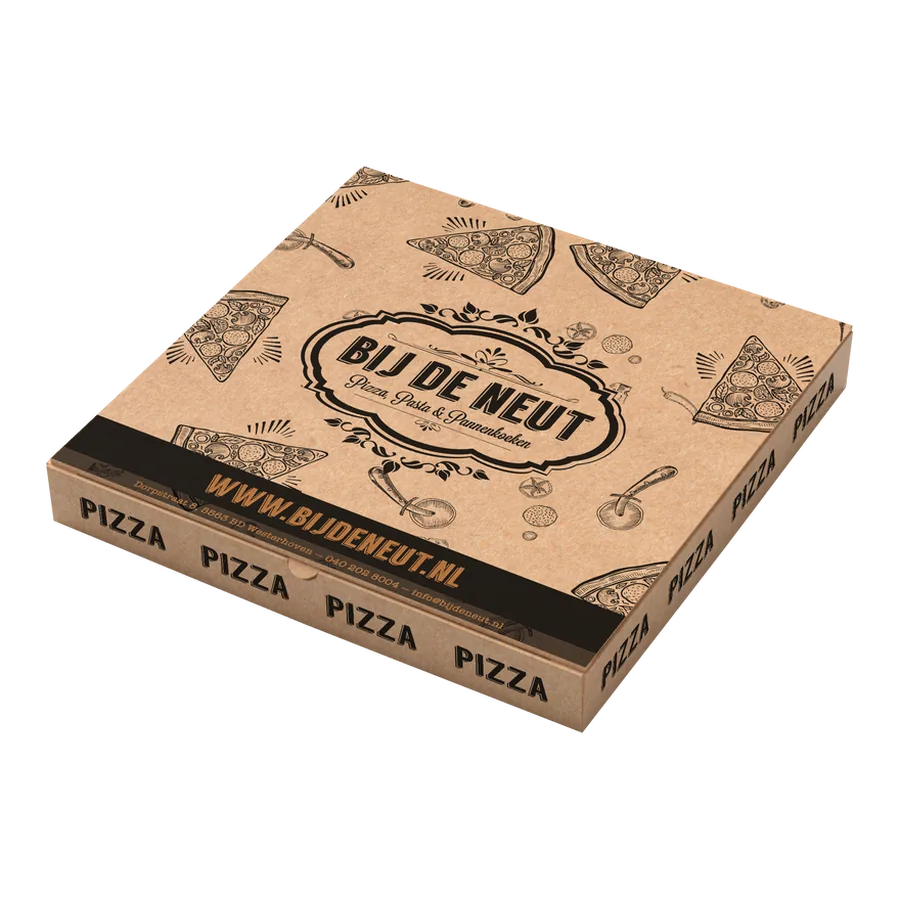
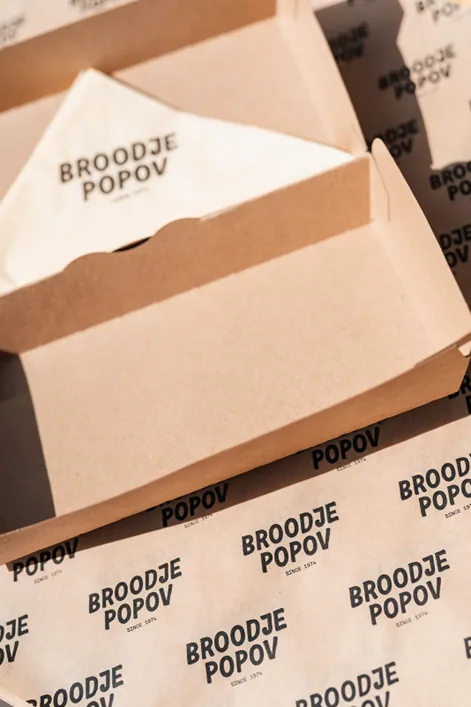
Within food packaging, choose solutions that fit your service flow. Think of pizza boxes, hamburger containers, fries containers, salad bowls, ice cream cups, wok to go cups, or a kids box. Every packaging tells your story, from counter to doormat.
Reuse as standard
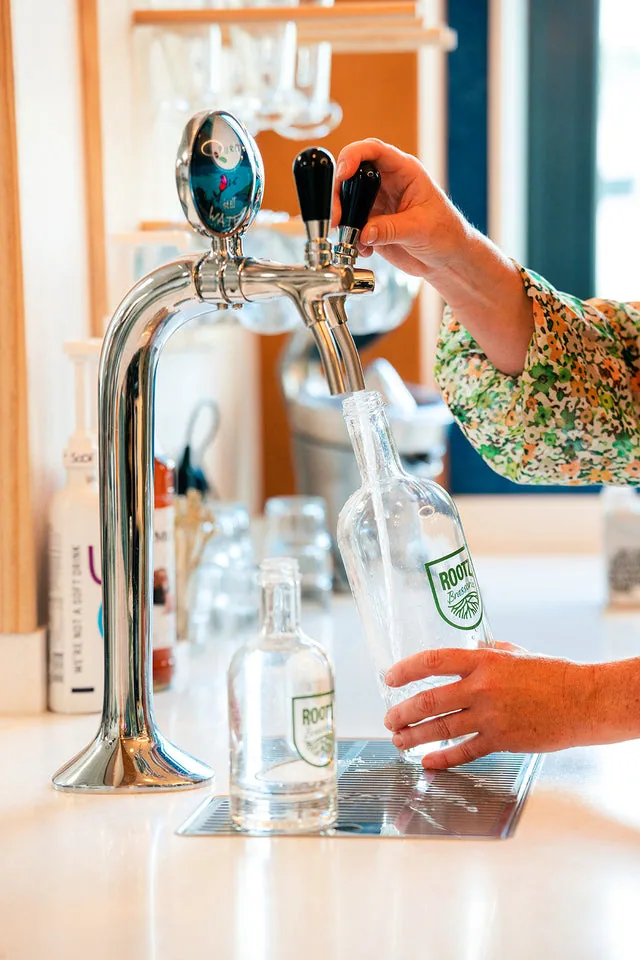
Make reuse visible with reusable food bowls and the reusable burger box. And combine this packaging with a short return instruction. This way, you reduce waste.
What The Branding Club does to make your brand distinctive
New regulations are not a barrier but an opportunity. At The Branding Club, we advise on sustainable and compliant packaging, create designs that stand out and meet the SUP guidelines, and handle production & logistics. This way, you make an impact in a responsible, effective, and recognizable manner.