A strong restaurant opening marketing plan should do more than announce a launch. It should create recognition before opening day, turn first-time visitors into repeat guests, and make the brand feel consistent across every touchpoint. For restaurants, that includes not only promotion but also the physical branded materials guests see, hold, and take with them. The same three phases apply whether you are planning a soft launch, a grand opening or an opening in a new city.
If you are planning a new restaurant opening marketing plan, focus on a few essentials first: a clear brand, a realistic timeline, a simple local awareness strategy, and branded print and packaging that support the guest experience from day one. That approach is easier to execute and usually more effective than trying to do everything at once.
What a restaurant opening marketing plan should achieve
The goal is not just to fill the room on opening day. A useful plan should support three outcomes:
- Awareness - people in your area know you are opening and understand your concept
- Recognition - your restaurant looks and feels consistent across dine-in, terrace, takeaway, and delivery
- Retention - early guests remember the brand and are more likely to return
This is why a restaurant grand opening marketing plan should combine communication with execution. If the signage, menus, napkins, coasters, packaging, glassware, and takeaway materials all feel disconnected, the launch loses impact even if the promotion is strong.
Restaurant launch marketing plan: the three phases
Most restaurant openings benefit from a phased approach. Keeping it simple helps owners and teams stay focused.
Pre-opening: build recognition before the doors open
The pre-opening phase is where you shape expectations. At this point, people do not need every detail. They need enough to remember your name, your location, and the type of experience you are creating.
- Clarify the concept - define what kind of restaurant you are opening and how you want guests to remember it
- Create a consistent visual base - logo, colors, typography, and tone should already be clear before printed materials are produced
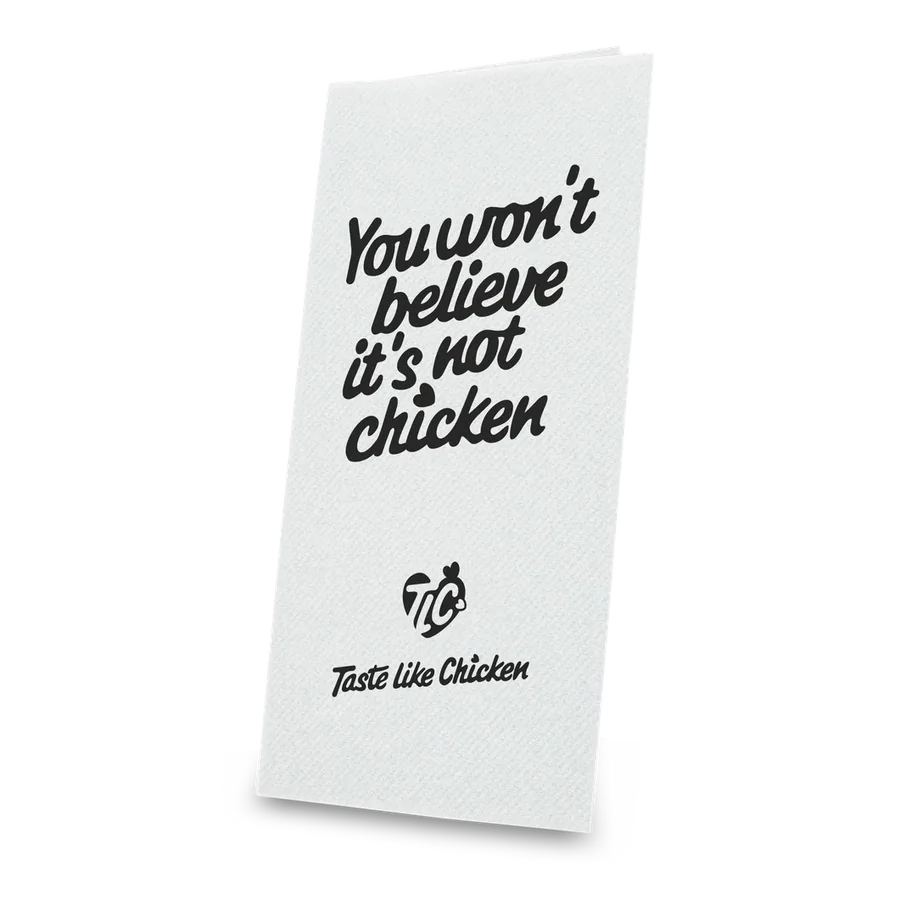
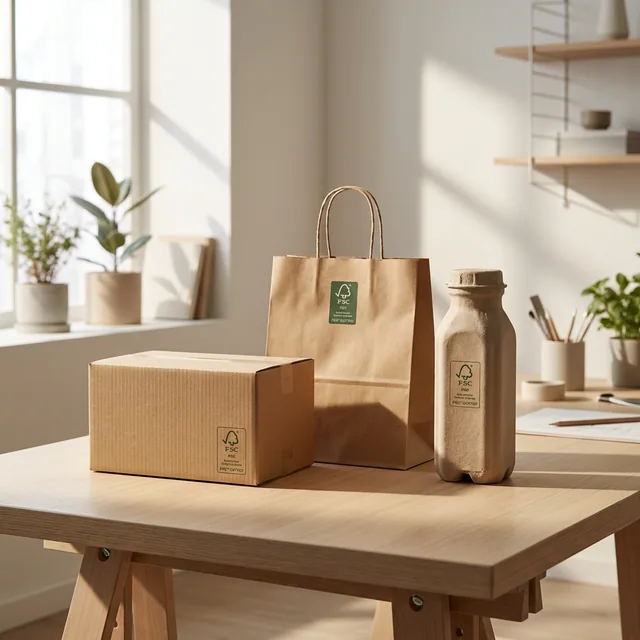
- Prepare your core branded items - menus, napkins, coasters, greaseproof paper, food packaging, carrier bags, glassware, and staff clothing should match the same identity
- Make local visibility easy - ensure the restaurant name and branding are easy to recognize both in-store and outside of it
This stage is especially important for a restaurant pre opening marketing plan because it prevents last-minute decisions that lead to inconsistent branding and delays.
Opening week: make the first impression feel complete
Opening week is when marketing becomes physical. Guests are no longer just seeing announcements. They are experiencing the brand directly.
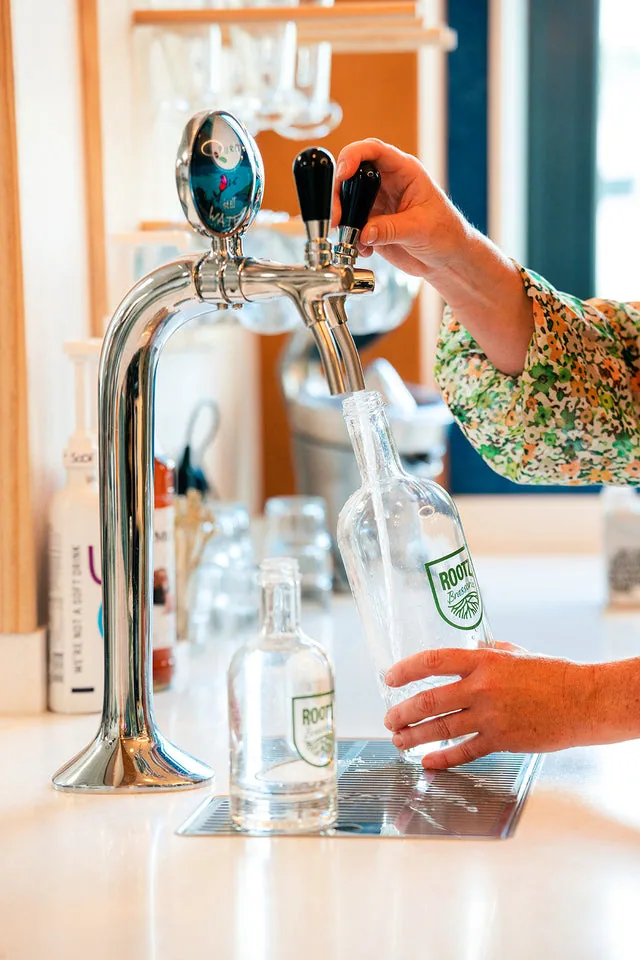
During this phase, the most effective restaurants make sure every visible detail supports the same impression. Branded napkins, coasters, cups, packaging, tableware, and takeaway materials help create a more finished experience. For terrace concepts or hybrid dine-in and takeaway formats, these items also increase brand visibility beyond the table.
- Prioritize consistency - avoid mixing unfinished or generic materials with branded ones if possible
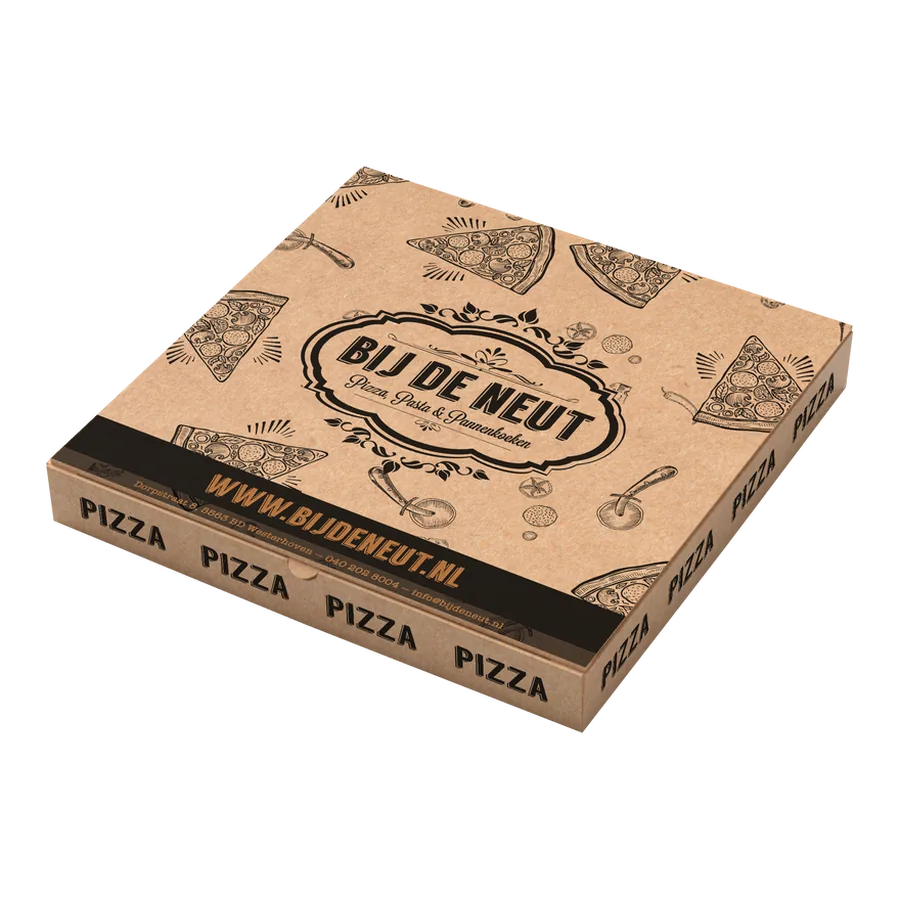
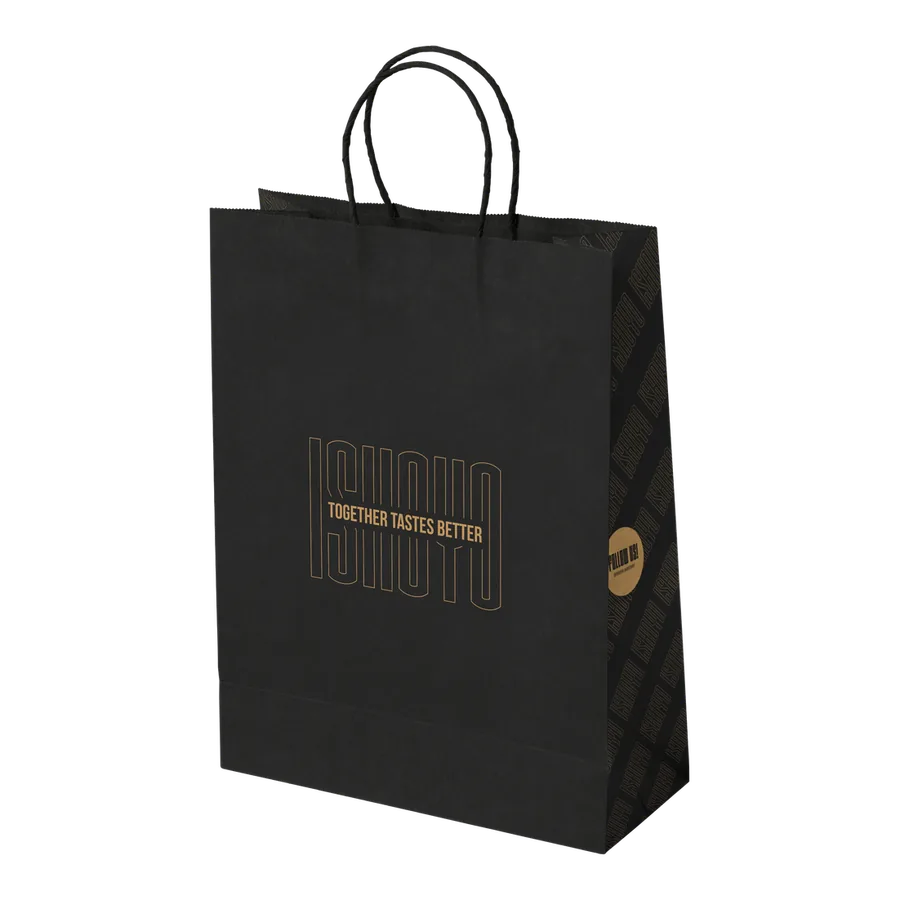
- Think beyond the plate - takeaway bags, cutlery pouches, wipes, and boxes also shape guest perception
- Support operations - use materials that are ready for real service volume, not just for launch photos
Post-opening: keep the momentum going
Many launch plans lose energy after the first week. A better approach is to prepare for what happens next. If early demand is strong, reordering branded materials quickly becomes part of the marketing system because brand consistency should continue after the opening push.
This is also the stage where practical support matters. Restaurants often benefit from an organized setup for reordering, stock management, and maintaining the same branded materials across service moments.
Rather have it done for you?
Your Brand Ambassador can do everything for you, and our in-house designers make your files print-ready. Or see your brand on everything first, in Studio.
What to include in your opening plan
You do not need a complex document. A useful restaurant opening marketing plan can fit on a few pages if it covers the right decisions.
Core brand decisions
- Restaurant name and concept
- Visual identity - logo, colors, fonts, and overall style
- Brand tone - casual, refined, modern, local, premium, or another clear direction
Guest-facing launch materials
- In-house items - menus, napkins, coasters, glassware, tableware, and clothing
- Takeaway and delivery items - food packaging, greaseproof paper, bags, cups, trays, bowls, and boxes
- Reusable options where relevant - useful for concepts that want a more durable branded presentation
Operational planning
- Production timing - make sure branded items are ready before launch week
- Stock expectations - opening periods often use more packaging and table materials than expected
- Reorder process - plan how you will replenish fast-moving items without changing the look and feel
Why printed products matter in restaurant launch marketing
When people hear "marketing plan," they often think only about promotion. For a restaurant opening, that is too narrow. printed hospitality products are part of the marketing because they carry the brand into the real guest experience.
A printed napkin, coaster, takeaway bag, pizza box, burger box, salad bowl, cup, or glass can reinforce your name long after the first impression. It can also make the opening feel more polished, especially when guests share photos or take items away with them.
For that reason, launch planning should treat branded materials as part of the same system as the rest of the marketing, not as an afterthought.
How to keep the plan realistic
The best opening plans are usually the ones the team can actually execute. Instead of building a long list of promotional ideas, focus on the points that most directly affect recognition and guest experience:
- Be clear about your concept
- Choose a consistent brand identity early
- Prepare the key printed and packaging materials before launch
- Make reordering and stock control easy after opening
If you are opening a restaurant in a busy local market, consistency is often more valuable than complexity. A launch that looks organized, feels branded, and stays operationally steady tends to leave a stronger impression than one that tries to do too much.
Support for restaurants preparing their opening
For restaurant teams that want help with branded hospitality materials, The Branding Club supports restaurants with custom printed products, hospitality packages, design support, and practical ordering support. That can be useful when you want your launch materials to feel aligned across terrace service, dine-in, takeaway, and delivery.
Rather than treating packaging and print as separate purchases, it often works better to organize them as part of one brand system from the start. That makes a new restaurant opening marketing plan easier to execute and easier to maintain after launch.
FAQ
How to write a marketing plan for a restaurant?
Start with the essentials: your concept, target local audience, launch timeline, and the branded touchpoints guests will actually experience. For an opening plan, keep it practical. Include pre-opening awareness, opening-week execution, and the materials needed to present the brand consistently in-house and for takeaway or delivery.
What is the difference between a restaurant pre opening marketing plan and a grand opening marketing plan?
A pre-opening plan focuses on building recognition before launch, preparing branded materials, and making sure the concept is clear. A grand opening marketing plan is more focused on the launch moment itself and the first guest experience during opening week.
What should be ready before a restaurant opens?
At minimum, your core brand identity, guest-facing printed materials, and operational ordering setup should be in place. That often includes menus, napkins, coasters, packaging, bags, cups, and any other branded items central to your concept.
Why are packaging and printed materials part of restaurant marketing?
Because they make the brand visible during the actual guest experience. They help create recognition, improve consistency, and extend the brand beyond the table through takeaway, delivery, and terrace use.