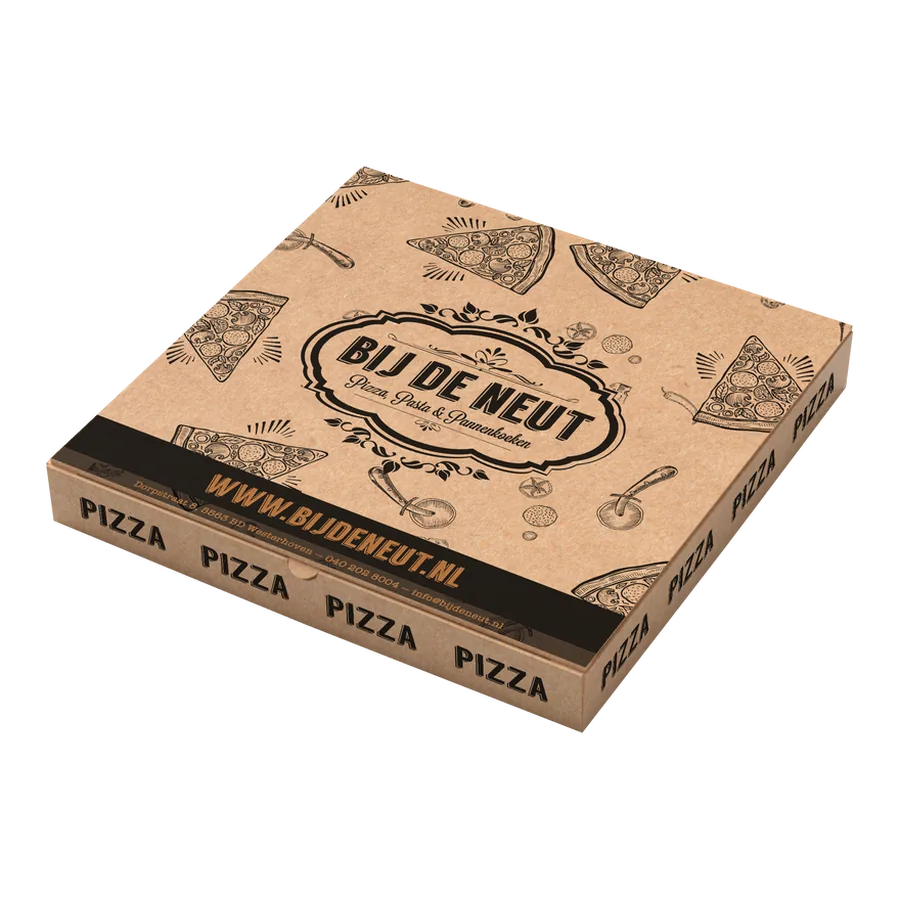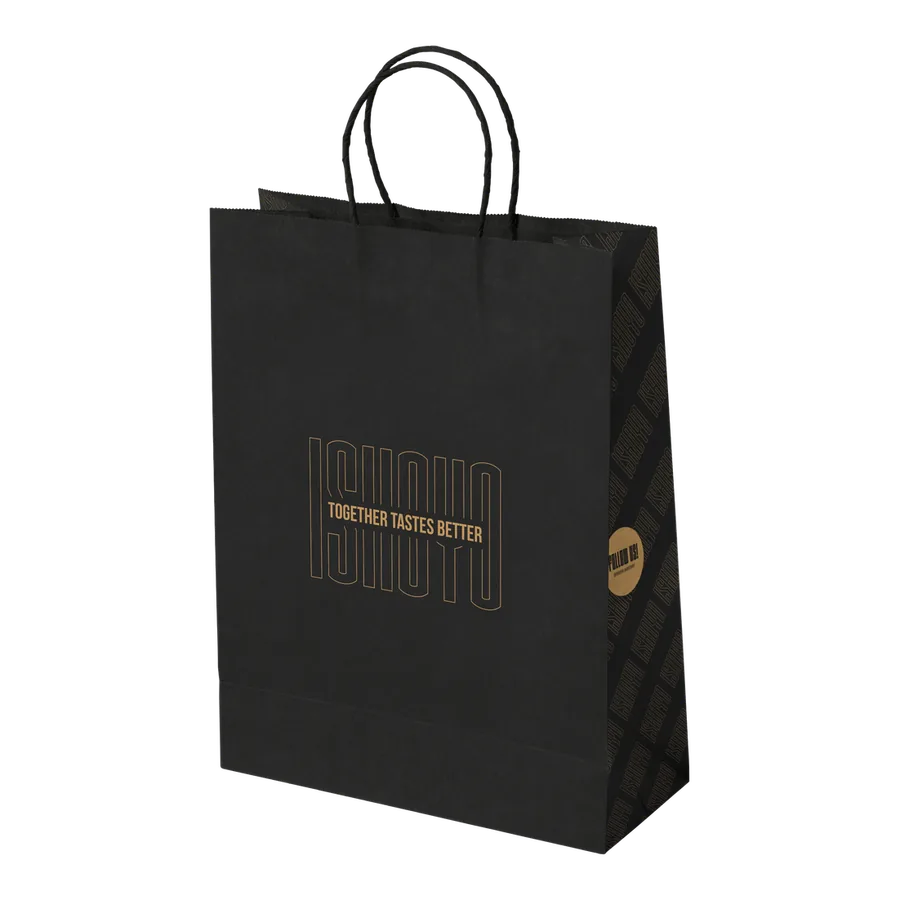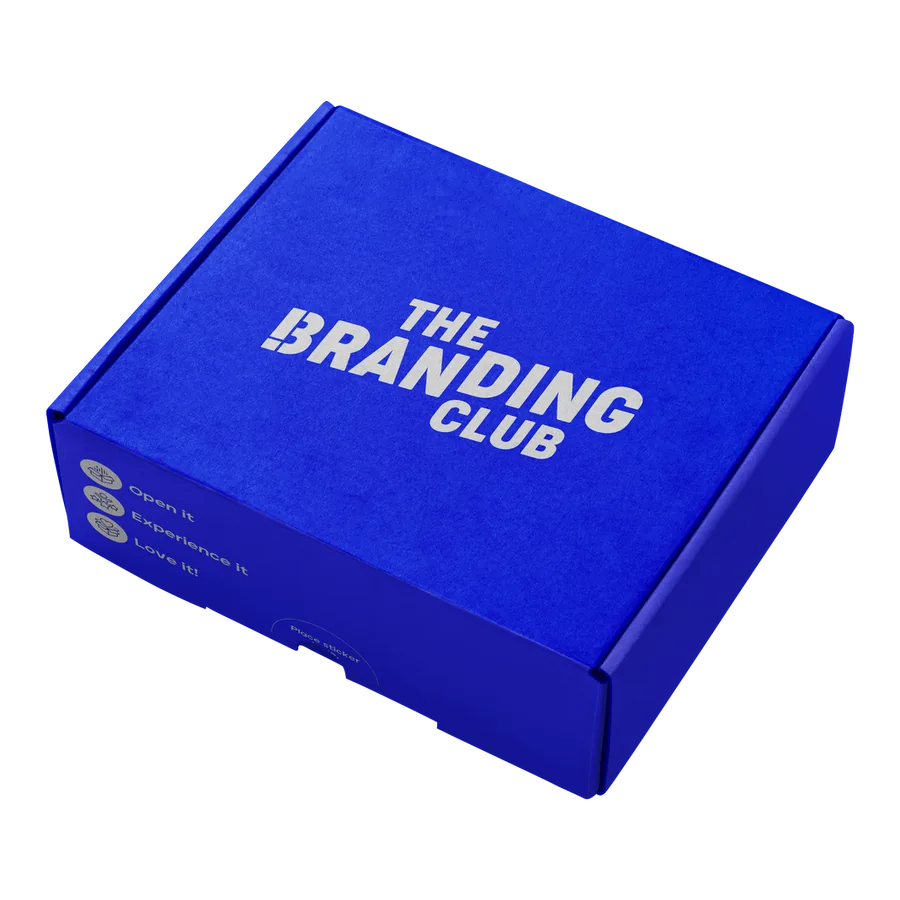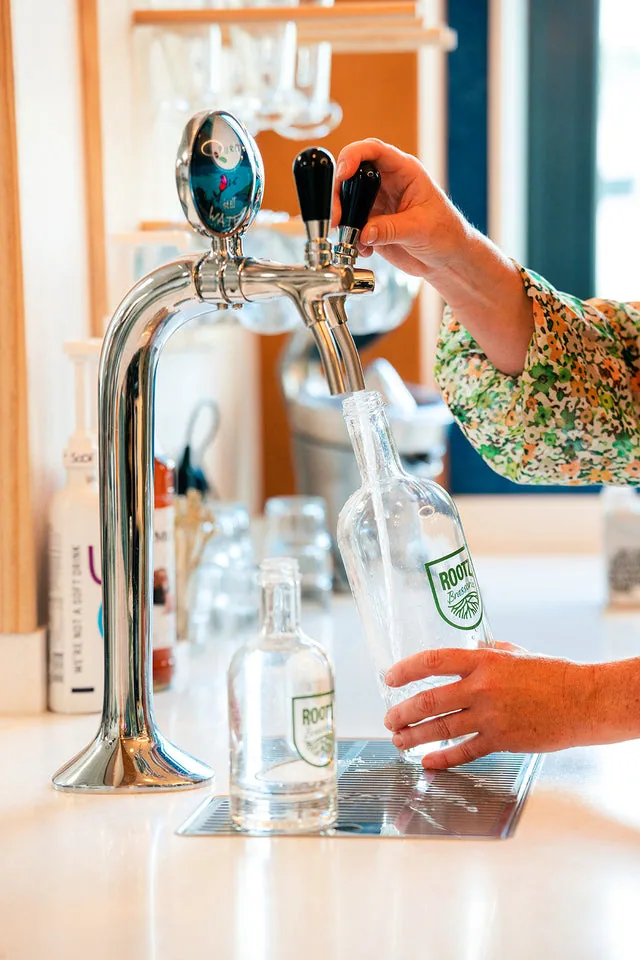
Sustainability in the hospitality, retail, and e-commerce sectors is more than a trend; it's a necessity for the future. By applying the R-strategies, you take significant steps towards greener business operations. And by integrating these R-strategies into your business model, you contribute to a more sustainable world while simultaneously strengthening your brand.
What are R-strategies?
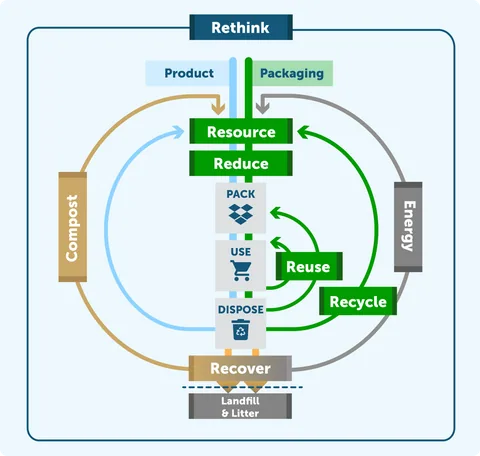
First things first: what are R-strategies? Well, they are sustainability strategies specifically designed to make your product packaging (and not just that) greener and more environmentally friendly. They are part of the R-ladder. The R-ladder has 6 steps (the different Rs) that represent various circularity strategies. Strategies higher on the ladder save more resources.
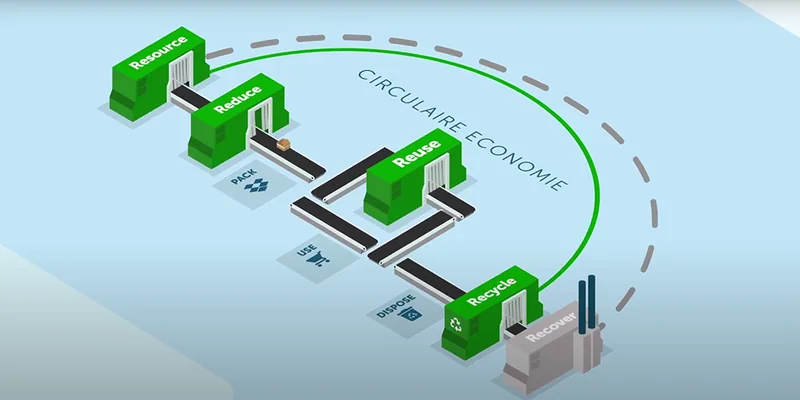
But it goes beyond that. These strategies are the backbone of a circular economy, and with the R-ladder, you can determine how to conduct circular business.
Below, we will guide you through this ladder step by step and provide immediately applicable tips.
#1 Rethink/Refuse: the first step towards sustainability
This is essentially a fancy way of saying, "Do I really need this?" It challenges you to refuse products or materials that are not essential and to consider more intensive use of what you already have.
|
|
|
Rather have it done for you?
Your Brand Ambassador can do everything for you, and our in-house designers make your files print-ready. Or see your brand on everything first, in Studio.
#2 Resource: optimizing resources
At the core of this strategy is the efficient and responsible use of resources, also with the goal of cost savings.
|
|
|
#3 Reduce: cost savings with a green edge
This is about making your products more efficient, both in production and use, to reduce your resource consumption.
|
|
|
#4 Reuse: make reuse the norm
Reuse stands for reusing products in the same function by a different user, such as designing for a longer lifespan.
|
|
|
#5 Recycling: close the loop
This is about processing materials into new raw materials. Provide clear recycling stations for customers and staff to correctly separate waste streams. This not only increases recycling rates but also shows your customers that your brand prioritizes environmental awareness.
|
|
|
#6 Recover: energy from waste
This is about recovering energy from materials, although in an ideal circular economy, as few materials as possible reach this point. For example, implement systems that convert organic waste into energy. This is a powerful step for hospitality businesses that produce a lot of organic waste.
|
|
|
#7 Repair/Refurbish/Remanufacture/Repurpose: longer life, less waste
As a bonus, you can apply these Rs extra for a sustainable strategy. These steps are aimed at repairing and refurbishing products to extend their lifespan.
|
|
|
The KIDV - Knowledge Institute for Sustainable Packaging - even offers an e-learning module to guide you through these R-strategies, complete with practical examples and assignments. You can view it here. Why are they so important? Well, more and more companies recognize the importance of sustainable packaging and the opportunities of a circular economy for packaging materials. R-strategies can be powerful tools in this regard.
So, the next time you look at your packaging, think of the R-ladder. Every step you climb makes a world of difference for our planet. Together, we can make smart, sustainable choices and embrace innovations that lead us to a greener future. Ready to climb?